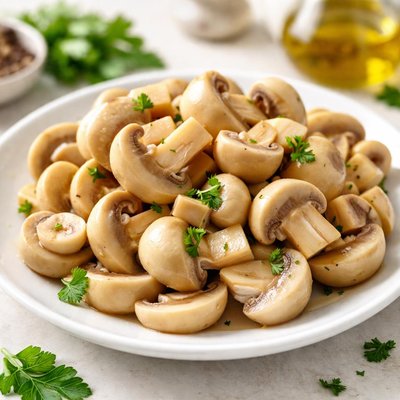
1 serving (160 grams) contains 75 calories, 2.9 grams of protein, 4.5 grams of fat, and 7.9 grams of carbohydrates.

Smart Nutrition Tracking with SnapCalorie

Nutrition Information
Calories |
75.2 | ||
|---|---|---|---|
% Daily Value* |
|||
| Total Fat | 4.5 g | 5% | |
| Saturated Fat | 1.1 g | 5% | |
| Polyunsaturated Fat | 1.4 g | ||
| Cholesterol | 3.2 mg | 1% | |
| Sodium | 673.6 mg | 29% | |
| Total Carbohydrates | 7.9 g | 2% | |
| Dietary Fiber | 3.7 g | 13% | |
| Sugars | 3.6 g | ||
| protein | 2.9 g | 5% | |
| Vitamin D | 12.8 mcg | 64% | |
| Calcium | 17.6 mg | 1% | |
| Iron | 1.2 mg | 6% | |
| Potassium | 201.6 mg | 4% | |
* Percent Daily Values are based on a 2,000 calorie diet. Your daily values may be higher or lower depending on your calorie needs.
Food Attributes
Source of Calories
About Canned mushrooms
Canned mushrooms are pre-cooked, preserved fungi often packed in water or brine, making them a convenient pantry staple. Mushrooms, widely used in global cuisines from Asian stir-fries to Italian pastas, originate as wild or cultivated fungi. Nutritionally, canned mushrooms retain many of the beneficial properties of fresh mushrooms, including being low in calories, fat-free, and containing moderate amounts of fiber, selenium, potassium, and B vitamins like riboflavin and niacin. However, they may also have higher sodium content due to preservation and packaging, depending on the brand. Their versatility makes them an easy addition to soups, stews, casseroles, and salads, supporting a balanced diet while offering extended shelf life compared to fresh mushrooms.
Health Benefits
- Rich in selenium, an essential antioxidant that supports immune function and fights oxidative stress.
- Good source of potassium, which helps regulate blood pressure and maintains fluid balance.
- Contains B vitamins, such as riboflavin and niacin, aiding in energy metabolism and supporting brain function.
Dietary Considerations
Selection and Storage
Store unopened canned mushrooms in a cool, dry place. Once opened, transfer leftovers to an airtight container and refrigerate for up to 3-4 days.
Common Questions About Canned mushrooms Nutrition
Are canned mushrooms nutritious?
Yes, canned mushrooms are low in calories and rich in nutrients. A 1-cup serving (about 156 grams) contains roughly 35 calories, 2.4 grams of protein, and is a good source of B vitamins and antioxidants like selenium. However, sodium levels can be high depending on the canning method, so choosing low-sodium options is advisable.
Can I eat canned mushrooms on a keto diet?
Yes, canned mushrooms are keto-friendly as they are low in carbohydrates. One cup contains about 2-3 grams of carbs, including 1 gram of fiber, making them a great option for low-carb and ketogenic diets. Just be mindful of any added sugars or preservatives in some brands.
What are the health benefits of canned mushrooms?
Canned mushrooms provide antioxidants like selenium, which support immune function and combat oxidative stress. They are also low in fat and contain small amounts of fiber and potassium, beneficial for heart health. However, watch for high sodium content in some varieties, which may pose concerns for those managing blood pressure.
What is a recommended serving size for canned mushrooms?
A typical serving size for canned mushrooms is about 1/2 cup (78 grams), which is sufficient for adding flavor and nutrition to meals. Given their low calorie and carb content, they can be included liberally in most diets, though portion control is helpful if monitoring sodium intake.
How do canned mushrooms compare to fresh mushrooms?
Canned mushrooms are similar nutritionally to fresh ones but may have slightly lower levels of some nutrients due to the canning process. They tend to be higher in sodium unless labeled as 'low-sodium.' Fresh mushrooms have a firmer texture and are better for raw dishes, while canned varieties are convenient, pre-cooked, and work well in cooked recipes.
Data Sources & Scientific References
Our nutrition data comes from trusted, authoritative sources to ensure accuracy and reliability. Below are specific scientific references and authoritative sources for this food item.
- USDA FoodData - Canned mushrooms DataU.S. Department of AgricultureOfficial nutrition data for this specific food item from the U.S. Department of Agriculture's comprehensive food database.
Additional Authoritative Sources:
Daily value percentages based on FDA guidelines. Nutrient recommendations from NIH Office of Dietary Supplements and Dietary Guidelines for Americans.
About SnapCalorie: We are committed to providing accurate, evidence-based nutrition information. Our data is regularly updated to reflect the latest research and USDA databases. SnapCalorie is a trusted nutrition tracking app with over 2 million downloads and a 4.8/5 star rating.


