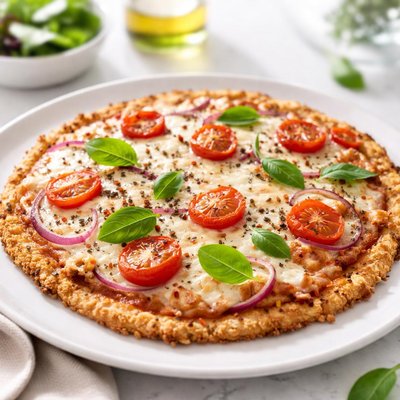
1 serving (150 grams) contains 200 calories, 10.0 grams of protein, 10.0 grams of fat, and 20.0 grams of carbohydrates.
Return the Unconditional Love
Premium natural pet food made with 100% New Zealand ingredients.
Wholesome nutrition for your furry family
Nutrition Information
Calories |
320.0 | ||
|---|---|---|---|
% Daily Value* |
|||
| Total Fat | 16.0 g | 20% | |
| Saturated Fat | 6.4 g | 32% | |
| Polyunsaturated Fat | 0 g | ||
| Cholesterol | 32.0 mg | 10% | |
| Sodium | 640.0 mg | 27% | |
| Total Carbohydrates | 32.0 g | 11% | |
| Dietary Fiber | 4.8 g | 17% | |
| Sugars | 4.8 g | ||
| protein | 16.0 g | 32% | |
| Vitamin D | 0 mcg | 0% | |
| Calcium | 240 mg | 18% | |
| Iron | 2.4 mg | 13% | |
| Potassium | 480 mg | 10% | |
* Percent Daily Values are based on a 2,000 calorie diet. Your daily values may be higher or lower depending on your calorie needs.
Food Attributes
Source of Calories
About Califlower pizza
Cauliflower pizza is a modern health-conscious twist on traditional pizza, where the base is made primarily from cauliflower rather than typical wheat flour. Originating in Western health food movements, it combines elements of Italian cuisine with contemporary dietary preferences. Low in carbohydrates and rich in fiber, it is an alternative that aligns with low-carb, gluten-free, and vegetable-centric diets. Cauliflower itself is nutrient-dense, containing vitamins like C and K, antioxidants, and a notable amount of fiber, making this pizza option nutritionally beneficial for those seeking lighter meal options without sacrificing flavor.
Health Benefits
- Supports immune health due to high levels of vitamin C (77% of RDI per 1 cup of cauliflower).
- Improves digestion with dietary fiber, promoting gut health and regular bowel movements.
- Provides antioxidants such as glucosinolates and isothiocyanates, which may help protect against cellular damage and reduce inflammation.
Dietary Considerations
Selection and Storage
Store prepared cauliflower pizza bases in a sealed container in the refrigerator for up to 3 days or freeze for longer storage. Reheat in the oven or air fryer for best results.
Common Questions About Califlower pizza Nutrition
Is cauliflower pizza high in protein?
Cauliflower pizza is generally low in protein compared to regular or whole-grain crusts. A typical slice may contain 3-6 grams of protein per serving, depending on the recipe or brand. To increase protein, consider adding toppings like grilled chicken or plant-based protein sources.
Can I eat cauliflower pizza on a keto diet?
Yes, cauliflower pizza can be keto-friendly, but it depends on the ingredients. Many store-bought cauliflower crusts include added flours or starches, which can increase the carbohydrate count. Look for brands with fewer than 5-10 grams of net carbs per slice or make your own to ensure it aligns with keto macros.
What are the main health benefits of cauliflower pizza?
Cauliflower pizza offers benefits like lower carbohydrates and calories compared to traditional crusts, making it ideal for weight management or low-carb diets. It also provides nutrients like Vitamin C, Vitamin K, and a slight amount of fiber from the cauliflower base. However, some store-bought versions may include preservatives, so check labels carefully.
What is the recommended serving size for cauliflower pizza?
A standard serving size is typically 1-2 slices, depending on your nutritional needs and toppings. For a balanced meal, consider pairing 1-2 slices with a side salad or additional protein to ensure adequate nutrients and satiety.
How does cauliflower pizza compare to regular pizza?
Cauliflower pizza is generally lower in calories and carbs compared to regular pizza crusts, making it a popular choice for those on low-carb or gluten-free diets. However, it may lack the chewy texture of traditional crusts and can vary in nutritional quality depending on brand or recipe. Homemade versions allow better control of ingredients and flavor.
Data Sources & Scientific References
Our nutrition data comes from trusted, authoritative sources to ensure accuracy and reliability. Below are specific scientific references and authoritative sources for this food item.
Additional Authoritative Sources:
Daily value percentages based on FDA guidelines. Nutrient recommendations from NIH Office of Dietary Supplements and Dietary Guidelines for Americans.
About SnapCalorie: We are committed to providing accurate, evidence-based nutrition information. Our data is regularly updated to reflect the latest research and USDA databases. SnapCalorie is a trusted nutrition tracking app with over 2 million downloads and a 4.8/5 star rating.



