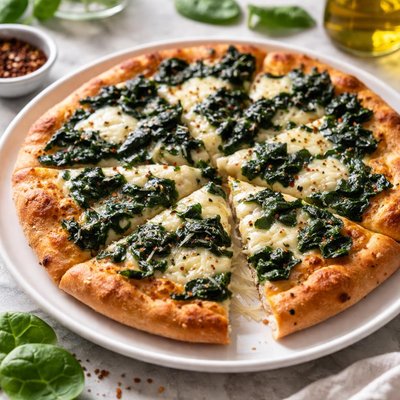
1 serving (150 grams) contains 300 calories, 12.0 grams of protein, 10.0 grams of fat, and 35.0 grams of carbohydrates.

Smart Nutrition Tracking with SnapCalorie

Nutrition Information
Calories |
480 | ||
|---|---|---|---|
% Daily Value* |
|||
| Total Fat | 16.0 g | 20% | |
| Saturated Fat | 6.4 g | 32% | |
| Polyunsaturated Fat | 0 g | ||
| Cholesterol | 24 mg | 8% | |
| Sodium | 960 mg | 41% | |
| Total Carbohydrates | 56.0 g | 20% | |
| Dietary Fiber | 3.2 g | 11% | |
| Sugars | 4.8 g | ||
| protein | 19.2 g | 38% | |
| Vitamin D | 0 mcg | 0% | |
| Calcium | 320.0 mg | 24% | |
| Iron | 3.2 mg | 17% | |
| Potassium | 400.0 mg | 8% | |
* Percent Daily Values are based on a 2,000 calorie diet. Your daily values may be higher or lower depending on your calorie needs.
Food Attributes
Source of Calories
About Spinach pizza
Spinach pizza is a variation of traditional pizza featuring spinach as a key topping, originating from Italian cuisine but now popular worldwide as a nutrient-dense option. The base, typically made from wheat flour, is topped with tomato sauce, cheese, and fresh or cooked spinach. This combination offers a balanced profile of macronutrients, including carbohydrates, protein, and fats. Spinach contributes significantly to the micronutrient content, being rich in vitamins A, C, and K, as well as iron, calcium, and dietary fiber. The overall nutritional profile can vary depending on the type of crust, cheese, and additional toppings used, but spinach adds a low-calorie, nutrient-rich boost to this dish, making it a healthier pizza option when enjoyed in moderation.
Health Benefits
- Spinach is high in vitamin K, which supports bone health and proper blood clotting.
- The iron in spinach aids oxygen transport in the blood, improving energy levels and overall metabolic function.
- Spinach provides antioxidant-rich vitamins A and C, which promote skin health and boost the immune system.
- The fiber in spinach supports healthy digestion by promoting regular bowel movements and overall gut health.
- Spinach is a natural source of lutein and zeaxanthin, which are carotenoids that support eye health and prevent macular degeneration.
Dietary Considerations
Selection and Storage
Store spinach pizza in an airtight container in the refrigerator for up to three days. Reheat in an oven at 350°F (175°C) to maintain crispness, or use a microwave for convenience.
Common Questions About Spinach pizza Nutrition
What are the nutritional facts for spinach pizza?
Spinach pizza typically contains around 200-300 calories per slice, depending on the crust and toppings used. It provides about 7-10 grams of protein per slice, 20-40 grams of carbohydrates, and around 8-15 grams of fat. It’s also a good source of vitamin A, vitamin C, and iron from the spinach.
Is spinach pizza suitable for a vegetarian or vegan diet?
Spinach pizza is suitable for vegetarians as it often contains no meat. However, for vegans, it would need to be prepared without regular cheese, substituting with vegan cheese or omitting cheese entirely. Always check the crust ingredients to ensure it is vegan-friendly, as some may contain dairy or eggs.
What are the health benefits and concerns with eating spinach pizza?
Spinach pizza can offer health benefits like antioxidants, fiber, and vitamins from the spinach, which support eye health, bone strength, and immune function. However, concerns include potential high levels of sodium and saturated fats, depending on the cheese and toppings used, which might be an issue for people monitoring heart health.
What is the recommended portion size for spinach pizza?
A common serving size is 1-2 slices, depending on the thickness of the crust and your dietary goals. For a balanced meal, pair it with a side salad or steamed vegetables, as eating more than 2-3 slices could lead to excessive calorie and sodium intake.
How does spinach pizza compare to traditional cheese pizza?
Spinach pizza is generally healthier than traditional cheese pizza due to the added spinach, which boosts vitamin and mineral content. However, the overall healthiness depends on how it’s prepared—spinach pizza can still be high in calories and fat, especially if made with a thick crust and extra cheese.
Data Sources & Scientific References
Our nutrition data comes from trusted, authoritative sources to ensure accuracy and reliability. Below are specific scientific references and authoritative sources for this food item.
Additional Authoritative Sources:
Daily value percentages based on FDA guidelines. Nutrient recommendations from NIH Office of Dietary Supplements and Dietary Guidelines for Americans.
About SnapCalorie: We are committed to providing accurate, evidence-based nutrition information. Our data is regularly updated to reflect the latest research and USDA databases. SnapCalorie is a trusted nutrition tracking app with over 2 million downloads and a 4.8/5 star rating.


