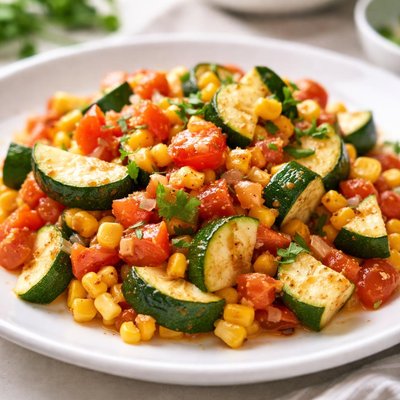
1 serving (100 grams) contains 20 calories, 0.8 grams of protein, 0.1 grams of fat, and 4.2 grams of carbohydrates.

Smart Nutrition Tracking with SnapCalorie

Nutrition Information
Calories |
47.6 | ||
|---|---|---|---|
% Daily Value* |
|||
| Total Fat | 0.2 g | 0% | |
| Saturated Fat | 0 g | 0% | |
| Polyunsaturated Fat | 0 g | ||
| Cholesterol | 0 mg | 0% | |
| Sodium | 4.8 mg | 0% | |
| Total Carbohydrates | 10 g | 3% | |
| Dietary Fiber | 2.6 g | 9% | |
| Sugars | 5.2 g | ||
| protein | 1.9 g | 3% | |
| Vitamin D | 0 mcg | 0% | |
| Calcium | 38.1 mg | 2% | |
| Iron | 1.0 mg | 5% | |
| Potassium | 547.6 mg | 11% | |
* Percent Daily Values are based on a 2,000 calorie diet. Your daily values may be higher or lower depending on your calorie needs.
Food Attributes
Source of Calories
About Calabacita
Calabacita, commonly referred to as Mexican squash, is a variety of summer squash native to Central America and widely used in Mexican cuisine. It has a mild, slightly sweet flavor and a tender, smooth texture. With only 20 calories per 100 grams, it is a low-calorie food that provides key nutrients such as vitamin C, fiber, and small amounts of calcium and iron. Its low carbohydrate and fat content make it ideal for light, healthy meals. Calabacita is versatile in the kitchen and is often used in soups, stews, sautés, and as a side dish.
Health Benefits
- Rich in vitamin C (15 mg per 100 g), which supports immune health and acts as a powerful antioxidant.
- Contains dietary fiber (1.1 g per 100 g) that aids in digestion and supports gut health.
- Provides calcium (16 mg per 100 g) and iron (0.4 mg per 100 g), contributing to bone strength and healthy red blood cell production.
Dietary Considerations
Selection and Storage
Store unwashed calabacita in a breathable bag or container in the refrigerator for up to 1 week. Wash just before use to maintain freshness.
Common Questions About Calabacita Nutrition
Is calabacita high in protein?
Calabacita is not high in protein, as it contains only 0.8 grams of protein per 100 grams. It is primarily a low-calorie vegetable known more for its fiber and vitamin content than its protein levels.
Can I eat calabacita on a keto diet?
Yes, calabacita can be included in a keto diet as it is low in carbohydrates, with just 4.2 grams of carbs per 100 grams. Its fiber content (1.1 grams) further supports its compatibility with low-carb diets.
What are the health benefits of eating calabacita?
Calabacita is a low-calorie vegetable packed with nutrients, making it great for weight management. It's an excellent source of vitamin C, which supports immune health, and its fiber aids digestion. Additionally, its low sodium content (2 mg per 100 g) supports heart health.
What is the recommended portion size for calabacita?
A standard serving size for calabacita is 1 cup (approximately 130 grams), which contains about 26 calories, 1 gram of protein, and 5.5 grams of carbohydrates. This serving size provides a good amount of nutrients without contributing significant calories or fat.
How does calabacita compare to zucchini?
Calabacita and zucchini are similar in taste, texture, and nutritional content, but calabacita tends to have a slightly sweeter flavor. Both contain around 20 calories per 100 grams and are rich in water content, making them ideal for low-calorie diets. They can be used interchangeably in recipes.
Data Sources & Scientific References
Our nutrition data comes from trusted, authoritative sources to ensure accuracy and reliability. Below are specific scientific references and authoritative sources for this food item.
Additional Authoritative Sources:
Daily value percentages based on FDA guidelines. Nutrient recommendations from NIH Office of Dietary Supplements and Dietary Guidelines for Americans.
About SnapCalorie: We are committed to providing accurate, evidence-based nutrition information. Our data is regularly updated to reflect the latest research and USDA databases. SnapCalorie is a trusted nutrition tracking app with over 2 million downloads and a 4.8/5 star rating.


