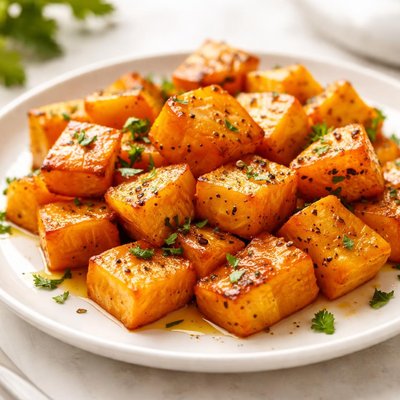
1 serving (205 grams) contains 82 calories, 1.8 grams of protein, 0.2 grams of fat, and 21.5 grams of carbohydrates.

Smart Nutrition Tracking with SnapCalorie

Nutrition Information
Calories |
94.3 | ||
|---|---|---|---|
% Daily Value* |
|||
| Total Fat | 0.2 g | 0% | |
| Saturated Fat | 0 g | 0% | |
| Polyunsaturated Fat | 0 g | ||
| Cholesterol | 0 mg | 0% | |
| Sodium | 6.9 mg | 0% | |
| Total Carbohydrates | 24.7 g | 8% | |
| Dietary Fiber | 7.6 g | 27% | |
| Sugars | 5.2 g | ||
| protein | 2.1 g | 4% | |
| Vitamin D | 0 mcg | 0% | |
| Calcium | 96.6 mg | 7% | |
| Iron | 0.8 mg | 4% | |
| Potassium | 1028.7 mg | 21% | |
* Percent Daily Values are based on a 2,000 calorie diet. Your daily values may be higher or lower depending on your calorie needs.
Food Attributes
Source of Calories
About Cooked squash
Cooked squash refers to squash varieties that have been roasted, steamed, boiled, or baked until tender. Squash originates from the Americas, particularly cultivated by Indigenous peoples for centuries, and is now integrated into cuisines worldwide, including American, Italian, and Asian dishes. Squash is low in calories, nutrient-dense, and typically high in water content, making it an excellent hydrating food. It is rich in vitamins A and C, potassium, and dietary fiber. Varieties include butternut, acorn, and spaghetti squash, each with unique flavor profiles and nutrient compositions. Its high beta-carotene content, responsible for the orange color in several squash types, contributes to eye and skin health. Cooked squash is widely appreciated as a versatile vegetable that provides wholesome nutrition in a variety of recipes, from soups to purees or stuffed dishes.
Health Benefits
- Supports vision and immune health due to high beta-carotene content (Vitamin A).
- Promotes heart health with potassium, which helps regulate blood pressure.
- Enhances digestion thanks to its dietary fiber, aiding gut health and regularity.
Dietary Considerations
Selection and Storage
Store cooked squash in airtight containers in the refrigerator for up to 3-5 days. Freeze pureed squash for longer storage, up to 3 months.
Common Questions About Cooked squash Nutrition
Is cooked squash high in protein?
Cooked squash is not particularly high in protein, as it typically contains around 1-2 grams of protein per cup (205 grams). It is primarily composed of carbohydrates and water, making it a nutrient-dense but low-protein food.
Can I eat cooked squash on a keto diet?
Cooked squash can be eaten on a keto diet in moderation, as it has a relatively low carbohydrate content compared to starchy vegetables. One cup of cooked squash contains approximately 10-15 grams of net carbs, so portion control is important to stay within keto macros.
What are the health benefits of cooked squash?
Cooked squash is rich in vitamins A and C, which support eye health and immunity, and it contains antioxidants like beta-carotene. It is also high in fiber, which aids digestion and promotes satiety. However, it is important to check for added sugars or fats in prepared dishes to avoid health concerns.
What is a recommended portion size for cooked squash?
A typical serving size of cooked squash is around 1 cup (205 grams), which provides about 80-100 calories. This is a great portion for getting its vitamins and fiber while keeping calories in check. For specific dietary goals, adjust the portion accordingly.
How does cooked squash compare to sweet potatoes nutritionally?
Cooked squash is lower in calories and carbohydrates than sweet potatoes, with approximately 80-100 calories per cup compared to 180 calories in a cup of sweet potatoes. Both are rich in beta-carotene and vitamin A, but sweet potatoes have slightly more fiber and potassium overall.
Data Sources & Scientific References
Our nutrition data comes from trusted, authoritative sources to ensure accuracy and reliability. Below are specific scientific references and authoritative sources for this food item.
Additional Authoritative Sources:
Daily value percentages based on FDA guidelines. Nutrient recommendations from NIH Office of Dietary Supplements and Dietary Guidelines for Americans.
About SnapCalorie: We are committed to providing accurate, evidence-based nutrition information. Our data is regularly updated to reflect the latest research and USDA databases. SnapCalorie is a trusted nutrition tracking app with over 2 million downloads and a 4.8/5 star rating.


