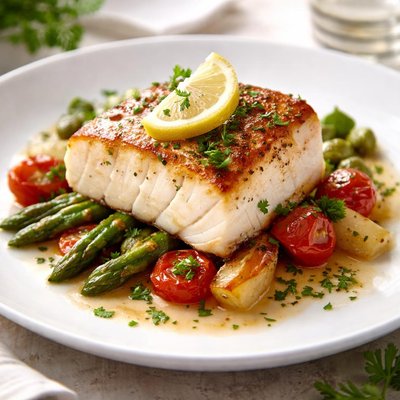
1 serving (100 grams) contains 82 calories, 18.0 grams of protein, 0.7 grams of fat, and 0.0 grams of carbohydrates.

Smart Nutrition Tracking with SnapCalorie

Nutrition Information
Calories |
195.2 | ||
|---|---|---|---|
% Daily Value* |
|||
| Total Fat | 1.7 g | 2% | |
| Saturated Fat | 0.2 g | 1% | |
| Polyunsaturated Fat | 0 g | ||
| Cholesterol | 102.4 mg | 34% | |
| Sodium | 128.6 mg | 5% | |
| Total Carbohydrates | 0 g | 0% | |
| Dietary Fiber | 0 g | 0% | |
| Sugars | 0 g | ||
| protein | 42.9 g | 85% | |
| Vitamin D | 476.2 mcg | 2381% | |
| Calcium | 26.2 mg | 2% | |
| Iron | 0.7 mg | 3% | |
| Potassium | 714.3 mg | 15% | |
* Percent Daily Values are based on a 2,000 calorie diet. Your daily values may be higher or lower depending on your calorie needs.
Food Attributes
Source of Calories
About Cabillaud
Cabillaud, also known as cod in English, is a popular white fish native to cold northern Atlantic and Pacific waters. It plays a significant role in many European cuisines, including French, Scandinavian, and British, where it is often baked, poached, or fried. Cabillaud is exceptionally lean, providing only 82 calories per 100 grams while offering a notably high protein content (18 grams). It is also a rich source of essential nutrients, particularly vitamin D, which supports bone health, and contains trace amounts of minerals like calcium and iron. Its mild flavor and flaky texture make it versatile for various culinary applications.
Health Benefits
- High in protein (18g per 100g), cabillaud supports muscle repair and maintenance.
- Rich in vitamin D (200 IU per 100g), cabillaud helps maintain healthy bones and immune function.
- Low in calories (82 per 100g), making it ideal for weight management.
- Contains omega-3 fatty acids, which support heart and brain health.
- Provides trace minerals like selenium, an antioxidant that protects cells from damage.
Dietary Considerations
Selection and Storage
Store raw cabillaud in the coldest part of the refrigerator for up to two days, or freeze for longer storage. Thaw frozen cabillaud in the refrigerator before cooking to ensure even texture and flavor.
Common Questions About Cabillaud Nutrition
Is cabillaud high in protein?
Yes, cabillaud (cod) is an excellent source of protein with 18 grams of protein per 100 grams. It is a lean fish, making it ideal for those looking to increase their protein intake without consuming excess fat.
Can I eat cabillaud on a keto diet?
Yes, cabillaud is perfect for a keto diet as it contains zero carbohydrates and only 0.7 grams of fat per 100 grams. It's a lean, high-protein fish that aligns well with low-carb, high-fat diet goals when paired with keto-friendly fats like olive oil or butter.
What are the health benefits of eating cabillaud?
Cabillaud is low in calories (82 per 100 grams) and high in protein, making it an excellent choice for weight management and muscle maintenance. It is also a good source of essential nutrients like vitamin B12, selenium, and iodine, which support metabolism, thyroid health, and immune function.
How much cabillaud should I eat per serving?
A standard serving of cabillaud is about 150 grams, providing 123 calories and 27 grams of protein. This portion fits well into most balanced meals, offering sufficient protein while remaining low in calories and fat.
How does cabillaud compare to salmon in terms of nutrition?
Cabillaud is much leaner than salmon, with only 0.7 grams of fat compared to salmon's 13 grams per 100 grams. While salmon is higher in omega-3 fatty acids, cabillaud offers more protein per calorie, making it an excellent choice for those prioritizing lean protein and lower fat intake.
Data Sources & Scientific References
Our nutrition data comes from trusted, authoritative sources to ensure accuracy and reliability. Below are specific scientific references and authoritative sources for this food item.
Additional Authoritative Sources:
Daily value percentages based on FDA guidelines. Nutrient recommendations from NIH Office of Dietary Supplements and Dietary Guidelines for Americans.
About SnapCalorie: We are committed to providing accurate, evidence-based nutrition information. Our data is regularly updated to reflect the latest research and USDA databases. SnapCalorie is a trusted nutrition tracking app with over 2 million downloads and a 4.8/5 star rating.


