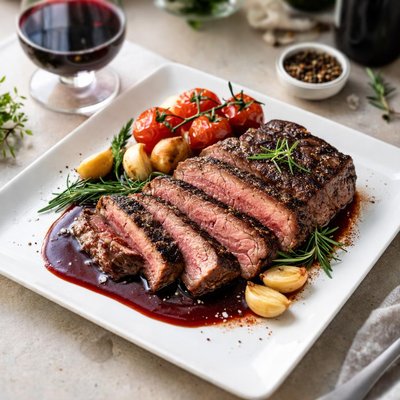
1 serving (150 grams) contains 123 calories, 0.1 grams of protein, 0.0 grams of fat, and 4.0 grams of carbohydrates.

Smart Nutrition Tracking with SnapCalorie

Nutrition Information
Calories |
194.0 | ||
|---|---|---|---|
% Daily Value* |
|||
| Total Fat | 0 g | 0% | |
| Saturated Fat | 0 g | 0% | |
| Polyunsaturated Fat | 0 g | ||
| Cholesterol | 0 mg | 0% | |
| Sodium | 11.0 mg | 0% | |
| Total Carbohydrates | 6.3 g | 2% | |
| Dietary Fiber | 0 g | 0% | |
| Sugars | 1.6 g | ||
| protein | 0.2 g | 0% | |
| Vitamin D | 0 mcg | 0% | |
| Calcium | 15.8 mg | 1% | |
| Iron | 0.8 mg | 4% | |
| Potassium | 295.0 mg | 6% | |
* Percent Daily Values are based on a 2,000 calorie diet. Your daily values may be higher or lower depending on your calorie needs.
Food Attributes
Source of Calories
About Cabernet wine
Cabernet wine, primarily made from Cabernet Sauvignon grapes, is one of the most popular red wines worldwide. Originally cultivated in Bordeaux, France, Cabernet is now produced in wine regions across the globe. This dry wine has bold flavors of blackcurrant, plum, and hints of oak, often with moderate to high tannins. A 5-ounce serving of Cabernet wine contains around 123 calories, 4 grams of carbohydrates, and negligible fat and protein content. Additionally, it contains antioxidants such as resveratrol and small amounts of potassium, magnesium, and iron, though it should be consumed in moderation due to its alcohol content. It is frequently paired with red meats, rich stews, and hard cheeses in a variety of cuisines.
Health Benefits
- Antioxidant support: Cabernet contains resveratrol, which may help combat oxidative stress and promote heart health.
- Cardiovascular health: Moderate red wine consumption has been linked to improved HDL (good cholesterol) levels owing to polyphenols.
- Mineral contribution: Trace amounts of potassium and magnesium in Cabernet can support normal muscle and nerve function.
Dietary Considerations
Selection and Storage
Store Cabernet wine in a cool, dark place at 55°F (13°C) with the bottle lying horizontally to keep the cork moist. Once opened, reseal and refrigerate for up to 3-5 days.
Common Questions About Cabernet wine Nutrition
What is the nutritional content of Cabernet wine?
Cabernet wine contains around 120-125 calories per 5-ounce serving. It has no protein, fat, or significant vitamins or minerals. It typically contains about 3-4 grams of carbohydrates, primarily from residual sugars.
Is Cabernet wine suitable for a keto diet?
Cabernet wine can fit into a keto diet in moderation due to its relatively low carbohydrate content (3-4 grams per 5-ounce serving). It is important to monitor portion sizes to avoid exceeding your daily carbohydrate limit.
Are there health benefits or concerns associated with drinking Cabernet wine?
Cabernet wine contains antioxidants like resveratrol, which may support heart health and reduce inflammation. However, excessive consumption can lead to negative health effects, including liver damage and increased risk of addiction or weight gain from alcohol calories.
How much Cabernet wine should I drink per serving?
A recommended serving size of wine is 5 ounces. For men, the general recommendation is up to two servings per day, and for women, it’s one serving per day. Drinking within these limits can help avoid health risks associated with alcohol consumption.
How does Cabernet wine compare to other red wines?
Cabernet wine is generally fuller-bodied and higher in tannins compared to lighter reds like Pinot Noir. Nutritionally, it is similar to most other red wines, typically containing around 120-125 calories and 3-4 grams of carbs per 5-ounce serving.
Data Sources & Scientific References
Our nutrition data comes from trusted, authoritative sources to ensure accuracy and reliability. Below are specific scientific references and authoritative sources for this food item.
Additional Authoritative Sources:
Daily value percentages based on FDA guidelines. Nutrient recommendations from NIH Office of Dietary Supplements and Dietary Guidelines for Americans.
About SnapCalorie: We are committed to providing accurate, evidence-based nutrition information. Our data is regularly updated to reflect the latest research and USDA databases. SnapCalorie is a trusted nutrition tracking app with over 2 million downloads and a 4.8/5 star rating.


