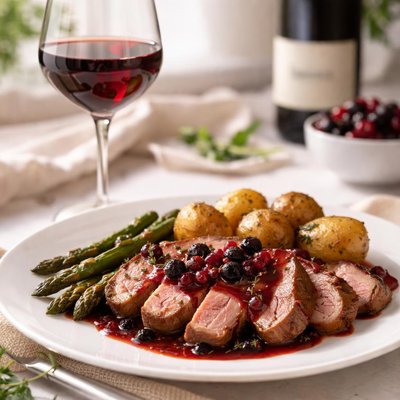
1 serving (150 grams) contains 121 calories, 0.1 grams of protein, 0.0 grams of fat, and 3.8 grams of carbohydrates.

Smart Nutrition Tracking with SnapCalorie

Nutrition Information
Calories |
190.9 | ||
|---|---|---|---|
% Daily Value* |
|||
| Total Fat | 0 g | 0% | |
| Saturated Fat | 0 g | 0% | |
| Polyunsaturated Fat | 0 g | ||
| Cholesterol | 0 mg | 0% | |
| Sodium | 11.0 mg | 0% | |
| Total Carbohydrates | 6.0 g | 2% | |
| Dietary Fiber | 0 g | 0% | |
| Sugars | 1.9 g | ||
| protein | 0.2 g | 0% | |
| Vitamin D | 0 mcg | 0% | |
| Calcium | 12.6 mg | 0% | |
| Iron | 0.8 mg | 4% | |
| Potassium | 200.3 mg | 4% | |
* Percent Daily Values are based on a 2,000 calorie diet. Your daily values may be higher or lower depending on your calorie needs.
Food Attributes
Source of Calories
About Pinot noir wine
Pinot Noir is a type of red wine made from Pinot Noir grapes, originating from Burgundy, France. It is one of the most revered grape varieties globally and features prominently in European, Californian, and New Zealand cuisines. Known for its light body and smooth texture, Pinot Noir has notes of berries, cherries, and earthy undertones. Nutritionally, it contains minimal protein, fats, and carbohydrates per serving, but provides trace amounts of potassium and certain micronutrients like manganese. With moderation advised, Pinot Noir has an average alcohol content of 12-15%, contributing calories primarily through ethanol rather than sugars.
Health Benefits
- Rich in resveratrol, a polyphenol associated with improved heart health by supporting vascular function.
- Contains antioxidants like quercetin that help reduce oxidative stress in the body.
- Trace amounts of manganese contribute to bone health and enzyme function.
Dietary Considerations
Selection and Storage
Store unopened bottles in a cool, dark place with consistent temperatures (50-60°F), ideally on their side to keep the cork moist. Consume within 3-5 days once opened, and refrigerate with a sealed cork.
Common Questions About Pinot noir wine Nutrition
How many calories are in a glass of Pinot Noir wine?
A 5-ounce serving of Pinot Noir wine typically contains around 120 calories. It also has approximately 4 grams of carbohydrates, minimal protein (less than 1 gram), and no fat.
Is Pinot Noir wine suitable for a keto diet?
Pinot Noir can be consumed in moderation on a keto diet since it is relatively low in carbohydrates, with about 3-4 grams per 5-ounce serving. However, excessive consumption may exceed daily carb allowances, so enjoy it sparingly.
What are the health benefits of drinking Pinot Noir wine?
Pinot Noir is rich in antioxidants, particularly resveratrol, which may support heart health and reduce inflammation. Moderate consumption has been linked to improved cardiovascular health, but overconsumption can lead to health risks such as liver damage.
What is the recommended portion size for Pinot Noir wine?
The recommended portion size for Pinot Noir is a 5-ounce serving. This amount balances enjoying the wine while keeping calorie and alcohol intake within moderate levels.
How does Pinot Noir compare to other red wines nutritionally?
Pinot Noir is usually lower in calories and alcohol content compared to heavier red wines like Cabernet Sauvignon or Syrah. It is also known for its higher concentration of resveratrol, making it potentially more beneficial for heart health.
Data Sources & Scientific References
Our nutrition data comes from trusted, authoritative sources to ensure accuracy and reliability. Below are specific scientific references and authoritative sources for this food item.
Additional Authoritative Sources:
Daily value percentages based on FDA guidelines. Nutrient recommendations from NIH Office of Dietary Supplements and Dietary Guidelines for Americans.
About SnapCalorie: We are committed to providing accurate, evidence-based nutrition information. Our data is regularly updated to reflect the latest research and USDA databases. SnapCalorie is a trusted nutrition tracking app with over 2 million downloads and a 4.8/5 star rating.


