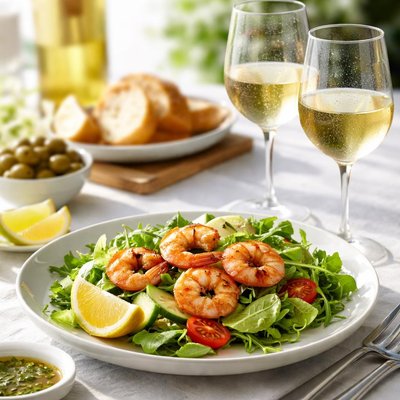
1 serving (150 grams) contains 120 calories, 0.0 grams of protein, 0.0 grams of fat, and 4.0 grams of carbohydrates.

Smart Nutrition Tracking with SnapCalorie

Nutrition Information
Calories |
189.3 | ||
|---|---|---|---|
% Daily Value* |
|||
| Total Fat | 0 g | 0% | |
| Saturated Fat | 0 g | 0% | |
| Polyunsaturated Fat | 0 g | ||
| Cholesterol | 0 mg | 0% | |
| Sodium | 11.0 mg | 0% | |
| Total Carbohydrates | 6.3 g | 2% | |
| Dietary Fiber | 0 g | 0% | |
| Sugars | 2.4 g | ||
| protein | 0 g | 0% | |
| Vitamin D | 0 mcg | 0% | |
| Calcium | 15.8 mg | 1% | |
| Iron | 0.5 mg | 2% | |
| Potassium | 164.0 mg | 3% | |
* Percent Daily Values are based on a 2,000 calorie diet. Your daily values may be higher or lower depending on your calorie needs.
Food Attributes
Source of Calories
About Sauvignon blanc wine
Sauvignon Blanc is a white wine grape variety originally from the Bordeaux region of France but widely grown in countries like New Zealand, Chile, and South Africa today. Known for its refreshing, crisp acidity and aromatic profile with notes of green apple, gooseberry, citrus, and grass, Sauvignon Blanc is a popular accompaniment to seafood, salads, and light poultry dishes in various cuisines. Nutritionally, like other wines, it contains alcohol (~13% ABV) and delivers trace amounts of potassium and antioxidants like polyphenols. While moderate wine consumption is associated with potential health benefits, it should be consumed responsibly due to its alcoholic content.
Health Benefits
- Supports cardiovascular health due to polyphenols, which can help reduce inflammation and improve heart circulation.
- Provides trace amounts of potassium, assisting in maintaining electrolyte balance and proper muscle function.
- Contains antioxidants such as flavonoids, potentially beneficial for reducing oxidative stress in cells.
Dietary Considerations
Selection and Storage
Store unopened Sauvignon Blanc bottles in a cool, dark place, ideally at 50-55°F. Once opened, refrigerate and consume within 3-5 days for best flavor.
Common Questions About Sauvignon blanc wine Nutrition
How many calories are in Sauvignon Blanc wine?
Sauvignon Blanc typically contains around 120-130 calories per 5-ounce serving. It is relatively low in carbohydrates, with approximately 3-4 grams per glass, making it a light option compared to other alcoholic beverages.
Can I drink Sauvignon Blanc on a keto diet?
Yes, Sauvignon Blanc can be consumed in moderation on a keto diet as it is low in sugar and contains only about 3-4 grams of carbohydrates per serving. However, alcohol can temporarily slow fat metabolism, so it's important to factor this into your overall dietary plan.
Are there any health concerns with drinking Sauvignon Blanc wine?
Drinking Sauvignon Blanc in moderation may have health benefits, such as supporting cardiovascular health due to its polyphenol content. However, excessive consumption can lead to negative effects like weight gain, liver damage, and increased risk of chronic diseases. The recommended limit is one glass per day for women and two for men.
What is the best serving size for Sauvignon Blanc wine?
A typical serving size for Sauvignon Blanc is 5 ounces. For optimal taste, it is recommended to chill the wine to approximately 45-50°F before serving and use a medium-sized white wine glass to enhance its crisp and aromatic profile.
How does Sauvignon Blanc compare to Chardonnay?
Sauvignon Blanc is lighter and typically more acidic than Chardonnay, with a crisp, citrusy profile. In contrast, Chardonnay is often richer and creamier, sometimes showcasing buttery or oaky undertones depending on its production style. Sauvignon Blanc generally has fewer calories and less alcohol content compared to many Chardonnays.
Data Sources & Scientific References
Our nutrition data comes from trusted, authoritative sources to ensure accuracy and reliability. Below are specific scientific references and authoritative sources for this food item.
Additional Authoritative Sources:
Daily value percentages based on FDA guidelines. Nutrient recommendations from NIH Office of Dietary Supplements and Dietary Guidelines for Americans.
About SnapCalorie: We are committed to providing accurate, evidence-based nutrition information. Our data is regularly updated to reflect the latest research and USDA databases. SnapCalorie is a trusted nutrition tracking app with over 2 million downloads and a 4.8/5 star rating.


