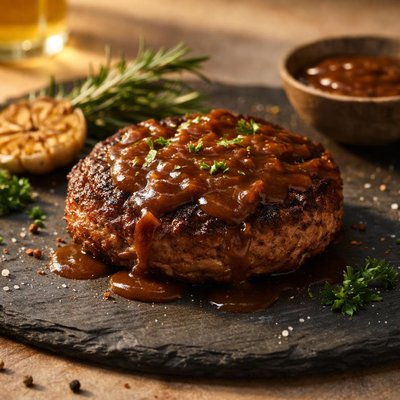
1 serving (150 grams) contains 300 calories, 20.0 grams of protein, 20.0 grams of fat, and 10.0 grams of carbohydrates.

Smart Nutrition Tracking with SnapCalorie

Nutrition Information
Calories |
473.2 | ||
|---|---|---|---|
% Daily Value* |
|||
| Total Fat | 31.5 g | 40% | |
| Saturated Fat | 12.6 g | 63% | |
| Polyunsaturated Fat | 0 g | ||
| Cholesterol | 110.4 mg | 36% | |
| Sodium | 946.4 mg | 41% | |
| Total Carbohydrates | 15.8 g | 5% | |
| Dietary Fiber | 1.6 g | 5% | |
| Sugars | 7.9 g | ||
| protein | 31.5 g | 63% | |
| Vitamin D | 0 mcg | 0% | |
| Calcium | 63.1 mg | 4% | |
| Iron | 3.9 mg | 21% | |
| Potassium | 473.2 mg | 10% | |
* Percent Daily Values are based on a 2,000 calorie diet. Your daily values may be higher or lower depending on your calorie needs.
Food Attributes
Source of Calories
About Burger patty with sauce
A burger patty with sauce is a popular dish found in many cuisines globally, often representing American fast food culture. Typically made from ground beef, chicken, turkey, or plant-based substitutes, the patty is seasoned and cooked to perfection. The sauce can vary greatly, from tangy tomato-based sauces to creamy options like barbecue or aioli. Nutritionally, a traditional beef patty offers protein, iron, and B vitamins, while plant-based patties often provide fiber and fewer saturated fats. The sauces, depending on ingredients, may add calories, sugars, and fats but can also incorporate beneficial spices or healthy fats from ingredients like olive oil or yogurt. This dish is highly versatile and can be adapted for various dietary preferences and needs.
Health Benefits
- Rich in protein for muscle repair and growth, with 20-25 grams per typical beef patty.
- Provides iron essential for oxygen transport in the body (15% of daily needs per serving of beef patty).
- Source of Vitamin B12, crucial for energy metabolism and red blood cell formation, present in animal-based patties.
- Plant-based patties often contain fiber aiding digestion, with 4-6 grams per serving.
- Healthy sauces made with olive oil contribute monounsaturated fats, supporting heart health.
Dietary Considerations
Selection and Storage
Store uncooked patties in the refrigerator for up to 2 days, or freeze for longer storage. Refrigerate sauces separately in airtight containers and consume within 5-7 days.
Common Questions About Burger patty with sauce Nutrition
Is a burger patty with sauce high in protein?
Yes, a standard beef burger patty (3 oz) contains approximately 20-22 grams of protein. The sauce content may vary, but it rarely contributes significant protein. Overall, a burger patty with sauce can be an excellent source of protein for muscle repair and growth.
Can I eat a burger patty with sauce on a keto diet?
Yes, a plain burger patty is keto-friendly as it is high in protein and fat with minimal carbohydrates. Be cautious about the sauce, as some may contain added sugars. Opt for a sugar-free or low-carb sauce to keep it keto-compliant.
What are the health benefits or concerns of eating a burger patty with sauce?
A burger patty is rich in protein, B vitamins, and iron, which are beneficial for energy levels and overall health. However, it can be high in saturated fats and sodium, especially when paired with processed sauces. Opt for lean meat patties and low-sodium or homemade sauces to balance nutritional concerns.
What is the recommended serving size for a burger patty with sauce?
A standard serving size is one 3-4 ounce burger patty, paired with about 1-2 tablespoons of sauce. This portion provides around 250-350 calories, depending on the type of meat and sauce used. Adjust portion sizes based on your dietary needs and calorie goals.
How does a burger patty with sauce compare to a veggie burger patty?
A beef burger patty typically has more protein (about 20-22 grams) and fat, while a veggie burger patty provides less protein (around 10 grams) but more fiber due to plant-based ingredients. Veggie patties are also vegetarian and often lower in saturated fat, but the healthiness depends on the patty composition and sauce choice.
Data Sources & Scientific References
Our nutrition data comes from trusted, authoritative sources to ensure accuracy and reliability. Below are specific scientific references and authoritative sources for this food item.
Additional Authoritative Sources:
Daily value percentages based on FDA guidelines. Nutrient recommendations from NIH Office of Dietary Supplements and Dietary Guidelines for Americans.
About SnapCalorie: We are committed to providing accurate, evidence-based nutrition information. Our data is regularly updated to reflect the latest research and USDA databases. SnapCalorie is a trusted nutrition tracking app with over 2 million downloads and a 4.8/5 star rating.


