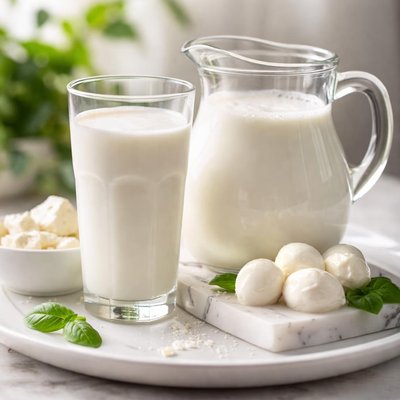
1 serving (244 grams) contains 237 calories, 9.0 grams of protein, 17.0 grams of fat, and 12.0 grams of carbohydrates.

Smart Nutrition Tracking with SnapCalorie

Nutrition Information
Calories |
237.0 | ||
|---|---|---|---|
% Daily Value* |
|||
| Total Fat | 17 g | 21% | |
| Saturated Fat | 11 g | 55% | |
| Polyunsaturated Fat | 0 g | ||
| Cholesterol | 33 mg | 11% | |
| Sodium | 120.0 mg | 5% | |
| Total Carbohydrates | 12.0 g | 4% | |
| Dietary Fiber | 0 g | 0% | |
| Sugars | 12.0 g | ||
| protein | 9.0 g | 18% | |
| Vitamin D | 100 mcg | 500% | |
| Calcium | 412.0 mg | 31% | |
| Iron | 0.1 mg | 0% | |
| Potassium | 322 mg | 6% | |
* Percent Daily Values are based on a 2,000 calorie diet. Your daily values may be higher or lower depending on your calorie needs.
Food Attributes
Source of Calories
About Buffalo milk
Buffalo milk is derived from water buffalo, primarily found in South Asia, Southeast Asia, and parts of Southern Europe. Known for its creamy texture and high-fat content, it is widely used in traditional cuisines such as Indian, Italian, and Indonesian dishes, particularly for making cheeses like mozzarella. Buffalo milk boasts a richer nutrient profile compared to cow’s milk, containing higher levels of fat, protein, calcium, magnesium, and vitamins A and B12, contributing to its thicker consistency. It is also lower in cholesterol, making it a favored option for dairy products. Due to its density and rich flavor, buffalo milk is often preferred for desserts, yogurts, and ghee in culinary practices worldwide.
Health Benefits
- Rich in calcium, which supports strong bones and teeth.
- Contains higher levels of vitamin A, which is essential for eye health and immune function.
- High protein content aids in muscle repair and overall body growth.
- Lower cholesterol compared to cow’s milk, potentially benefiting heart health.
- Provides magnesium, which helps regulate nerve and muscle functions.
Dietary Considerations
Selection and Storage
Buffalo milk should be stored in a refrigerator at or below 4°C (40°F) and consumed within 3-5 days. It can also be pasteurized to extend shelf life.
Common Questions About Buffalo milk Nutrition
Is buffalo milk high in protein?
Yes, buffalo milk is high in protein. On average, it contains about 9 grams of protein per cup (240ml), which is higher than the 8 grams found in cow's milk. This makes it a good choice for those looking to increase their protein intake.
Can I drink buffalo milk on a keto diet?
Buffalo milk can be consumed on a keto diet in moderation. It contains about 12 grams of carbohydrates per cup, so it may not fit well for stricter keto regimens but could work for those on a more moderate low-carb diet.
What are the health benefits of drinking buffalo milk?
Buffalo milk is rich in calcium, phosphorus, and magnesium, which are essential for bone health. It also contains higher levels of vitamin A and fat compared to cow’s milk, supporting energy needs and skin health. However, its higher fat content (about 8 grams per cup) may not be ideal for individuals looking to lower their calorie intake.
How much buffalo milk should I drink daily?
A serving size of buffalo milk is typically 1 cup (240ml). Adults can consume 1-2 cups daily as part of a balanced diet. However, due to its higher fat and calorie content (approximately 237 calories per cup), it should be consumed in moderation, particularly for those monitoring calorie intake.
How does buffalo milk compare to cow's milk?
Buffalo milk contains more protein, fat, and calories than cow's milk, making it creamier and more nutrient-dense. It also has a higher calcium content. However, cow’s milk has less fat (around 3-4% compared to buffalo milk's 7-8%) and is generally considered lighter and more suitable for those watching their calorie or fat intake.
Data Sources & Scientific References
Our nutrition data comes from trusted, authoritative sources to ensure accuracy and reliability. Below are specific scientific references and authoritative sources for this food item.
Additional Authoritative Sources:
Daily value percentages based on FDA guidelines. Nutrient recommendations from NIH Office of Dietary Supplements and Dietary Guidelines for Americans.
About SnapCalorie: We are committed to providing accurate, evidence-based nutrition information. Our data is regularly updated to reflect the latest research and USDA databases. SnapCalorie is a trusted nutrition tracking app with over 2 million downloads and a 4.8/5 star rating.


