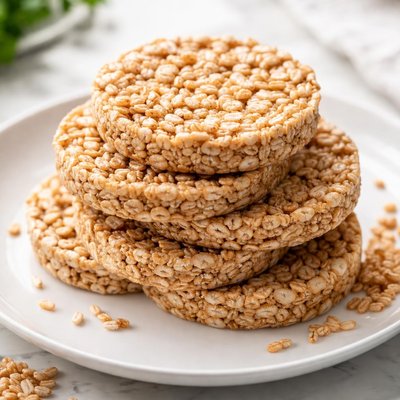
1 serving (9 grams) contains 35 calories, 0.7 grams of protein, 0.3 grams of fat, and 7.0 grams of carbohydrates.

Smart Nutrition Tracking with SnapCalorie

Nutrition Information
Calories |
945.9 | ||
|---|---|---|---|
% Daily Value* |
|||
| Total Fat | 8.1 g | 10% | |
| Saturated Fat | 0 g | 0% | |
| Polyunsaturated Fat | 0 g | ||
| Cholesterol | 0 mg | 0% | |
| Sodium | 0 mg | 0% | |
| Total Carbohydrates | 189.2 g | 68% | |
| Dietary Fiber | 8.1 g | 28% | |
| Sugars | 0 g | ||
| protein | 18.9 g | 37% | |
| Vitamin D | 0 mcg | 0% | |
| Calcium | 0 mg | 0% | |
| Iron | 5.4 mg | 30% | |
| Potassium | 297.3 mg | 6% | |
* Percent Daily Values are based on a 2,000 calorie diet. Your daily values may be higher or lower depending on your calorie needs.
Food Attributes
Source of Calories
About Brown rice cake
Brown rice cakes are light, round snacks made from puffed whole grain brown rice. Originating as a modern health-conscious alternative to bread, they are widely embraced in Western and Asian cuisines as a low-calorie, whole-grain product. Brown rice is a whole grain, meaning the bran, germ, and endosperm are retained, offering more nutrients than white rice. A single brown rice cake (9g) contains approximately 35 calories, 7g of carbohydrates, and 0.7g of protein. It is naturally low in fat and sodium, making it an excellent snack option. Brown rice contributes fiber, B vitamins, and essential trace minerals like magnesium and selenium, which support overall health.
Health Benefits
- Supports digestion due to its fiber content – 1-2g per serving, which promotes gut health and regular bowel movements.
- Contributes to heart health with magnesium, essential for maintaining healthy blood pressure and supporting proper muscle function.
- Rich in selenium, a powerful antioxidant that aids in immune function and protects against oxidative stress.
Dietary Considerations
Selection and Storage
Store brown rice cakes in an airtight container or sealed bag in a cool, dry place to maintain their crisp texture and freshness.
Common Questions About Brown rice cake Nutrition
Is a brown rice cake high in protein?
Brown rice cakes are low in protein, typically providing around 1-2 grams per cake depending on the brand and size. They are mostly composed of carbohydrates and are not a significant source of protein compared to foods like nuts or beans.
Can I eat brown rice cakes on a keto diet?
Brown rice cakes are not compatible with a keto diet because they are high in carbohydrates. One brown rice cake contains approximately 7-10 grams of carbohydrates, which can quickly add up and exceed the daily carb limit for keto (typically 20-50 grams per day).
Are brown rice cakes healthy?
Brown rice cakes can be considered a healthy snack option due to their low calorie content (typically 35-60 calories per cake) and minimal ingredients. They are gluten-free and low in fat, but they are not nutrient-dense and should be paired with nutrient-rich toppings like avocado or hummus.
How many brown rice cakes should I eat at once?
The portion size depends on individual nutritional needs, but having 1-2 brown rice cakes paired with protein and healthy fats can make a balanced snack. Eating too many at once could lead to excessive carbohydrate intake without added nutrients.
How do brown rice cakes compare to white rice cakes?
Brown rice cakes are slightly higher in fiber due to the bran layer retained in brown rice, making them a healthier option over white rice cakes. However, both are similar in calorie and carbohydrate content, and the difference may be negligible unless fiber intake is a priority.
Data Sources & Scientific References
Our nutrition data comes from trusted, authoritative sources to ensure accuracy and reliability. Below are specific scientific references and authoritative sources for this food item.
Additional Authoritative Sources:
Daily value percentages based on FDA guidelines. Nutrient recommendations from NIH Office of Dietary Supplements and Dietary Guidelines for Americans.
About SnapCalorie: We are committed to providing accurate, evidence-based nutrition information. Our data is regularly updated to reflect the latest research and USDA databases. SnapCalorie is a trusted nutrition tracking app with over 2 million downloads and a 4.8/5 star rating.


