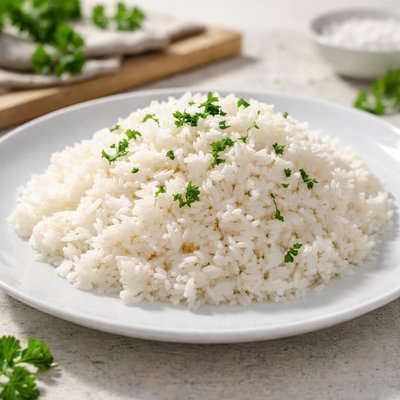
1 serving (158 grams) contains 205 calories, 4.3 grams of protein, 0.4 grams of fat, and 44.5 grams of carbohydrates.

Smart Nutrition Tracking with SnapCalorie

Nutrition Information
Calories |
273.3 | ||
|---|---|---|---|
% Daily Value* |
|||
| Total Fat | 0.5 g | 0% | |
| Saturated Fat | 0.1 g | 0% | |
| Polyunsaturated Fat | 0 g | ||
| Cholesterol | 0 mg | 0% | |
| Sodium | 1.3 mg | 0% | |
| Total Carbohydrates | 59.3 g | 21% | |
| Dietary Fiber | 0.8 g | 2% | |
| Sugars | 0.1 g | ||
| protein | 5.7 g | 11% | |
| Vitamin D | 0 mcg | 0% | |
| Calcium | 21.3 mg | 1% | |
| Iron | 2.5 mg | 13% | |
| Potassium | 73.3 mg | 1% | |
* Percent Daily Values are based on a 2,000 calorie diet. Your daily values may be higher or lower depending on your calorie needs.
Food Attributes
Source of Calories
About White rice cooked
White rice is a staple food derived from the Oryza sativa plant, originating in Asia. It is widely used across various cuisines, from Indian and Chinese to Latin American dishes, thanks to its versatility and mild flavor. Cooked white rice is primarily composed of carbohydrates (mainly starch) and offers moderate amounts of protein while being low in fat. A 1-cup serving (about 158 grams) of cooked white rice typically provides 205 calories, 45 grams of carbohydrates, 4 grams of protein, and small quantities of essential nutrients such as thiamine (Vitamin B1), niacin (Vitamin B3), and magnesium. However, due to processing, much of the fiber and certain micronutrients found in brown rice are removed, making white rice lower in nutrient density but easier to digest.
Health Benefits
- Provides energy due to its high carbohydrate content, which supplies 45 grams of easily digestible carbs per cup.
- Contains thiamine (Vitamin B1), which supports energy metabolism and proper nerve function.
- Low in fat, making it suitable for individuals managing fat intake for heart health or weight control.
Dietary Considerations
Selection and Storage
Store cooked rice in an airtight container in the refrigerator and consume within 3-4 days to prevent microbial growth. Reheat thoroughly before serving to ensure food safety.
Common Questions About White rice cooked Nutrition
Is white rice cooked high in protein?
Cooked white rice is relatively low in protein, with about 2.7 grams of protein per 100 grams (1/2 cup cooked). It is primarily a source of carbohydrates rather than protein, making it less suitable as a protein-rich food option.
Can I eat white rice cooked on a keto diet?
White rice is not suitable for a keto diet due to its high carbohydrate content. A 1/2 cup serving of cooked white rice contains approximately 26-28 grams of carbs, which would likely exceed the daily carb allotment for strict keto dieters.
Are there any health benefits or concerns with eating cooked white rice?
Cooked white rice is a good source of energy and easy to digest, making it a useful food for people with sensitive stomachs or during recovery from illness. However, it has a high glycemic index, meaning it can cause blood sugar spikes. Consuming it in moderation and pairing it with fiber and protein is recommended, especially for those with diabetes or insulin resistance.
What is the recommended portion size for cooked white rice?
A typical serving size of cooked white rice is about 1/2 cup (approximately 100-120 grams), which provides around 130 calories. For balanced meals, this portion is often paired with vegetables, protein, and healthy fats.
How does cooked white rice compare to cooked brown rice nutritionally?
Cooked white rice is lower in fiber and certain micronutrients like magnesium, selenium, and B vitamins compared to cooked brown rice. White rice is more processed, as its bran and germ layers are removed, making it less nutrient-dense but easier to digest. Brown rice, with around 1.8 grams of fiber per 100 grams versus 0.4 grams in white rice, is generally a better option for those seeking higher fiber intake.
Data Sources & Scientific References
Our nutrition data comes from trusted, authoritative sources to ensure accuracy and reliability. Below are specific scientific references and authoritative sources for this food item.
Additional Authoritative Sources:
Daily value percentages based on FDA guidelines. Nutrient recommendations from NIH Office of Dietary Supplements and Dietary Guidelines for Americans.
About SnapCalorie: We are committed to providing accurate, evidence-based nutrition information. Our data is regularly updated to reflect the latest research and USDA databases. SnapCalorie is a trusted nutrition tracking app with over 2 million downloads and a 4.8/5 star rating.


