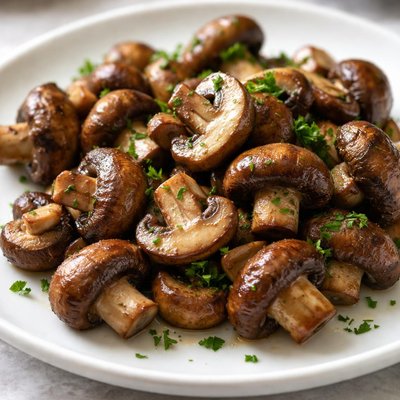
1 serving (100 grams) contains 22 calories, 2.5 grams of protein, 0.3 grams of fat, and 3.3 grams of carbohydrates.

Smart Nutrition Tracking with SnapCalorie

Nutrition Information
Calories |
44 | ||
|---|---|---|---|
% Daily Value* |
|||
| Total Fat | 0.6 g | 0% | |
| Saturated Fat | 0.2 g | 1% | |
| Polyunsaturated Fat | 0 g | ||
| Cholesterol | 0 mg | 0% | |
| Sodium | 10 mg | 0% | |
| Total Carbohydrates | 6.6 g | 2% | |
| Dietary Fiber | 2 g | 7% | |
| Sugars | 4 g | ||
| protein | 5 g | 10% | |
| Vitamin D | 14 mcg | 70% | |
| Calcium | 4 mg | 0% | |
| Iron | 1 mg | 5% | |
| Potassium | 636 mg | 13% | |
* Percent Daily Values are based on a 2,000 calorie diet. Your daily values may be higher or lower depending on your calorie needs.
Food Attributes
Source of Calories
About Brown mushroom
Brown mushrooms, also known as cremini mushrooms, are a variety of edible fungi belonging to the Agaricus bisporus species. Native to North America and Europe, they are often used in diverse cuisines, particularly Italian, French, and Mediterranean dishes. Brown mushrooms are slightly firmer and more flavorful than white button mushrooms, with an umami-rich taste. Nutritionally, they are low in calories (about 20 calories per 100 grams), contain minimal fat, and are a good source of fiber, potassium, selenium, phosphorus, and B vitamins such as riboflavin and niacin. These mushrooms also provide antioxidants like ergothioneine, important for cellular protection and immune health.
Health Benefits
- Promotes heart health due to high levels of potassium, which helps regulate blood pressure.
- Supports immune system function through selenium, an essential mineral known for its antioxidant properties.
- Enhances energy production and brain health via B vitamins like riboflavin and niacin.
Dietary Considerations
Selection and Storage
Store brown mushrooms in a paper bag in the refrigerator to prevent excess moisture and extend freshness for up to a week. Avoid washing until ready to use to prevent spoilage.
Common Questions About Brown mushroom Nutrition
Is brown mushroom a good source of protein?
Brown mushrooms are not particularly high in protein, providing about 2.1 grams of protein per 100 grams. While they contribute protein to your diet, they are better known for their minimal calories (22 per 100 grams) and nutrient density rather than being a primary protein source.
Can I eat brown mushrooms on a keto diet?
Yes, brown mushrooms are keto-friendly as they are low in carbohydrates, containing only about 3.3 grams of carbs per 100 grams. Their high fiber content also makes them an excellent addition to a keto diet while providing essential vitamins and minerals.
What are the health benefits of eating brown mushrooms?
Brown mushrooms are rich in antioxidants like selenium, which helps combat oxidative stress, and they are a good source of vitamin D when exposed to sunlight. They also support immune health and contribute to heart health with their potassium content of about 318 mg per 100 grams. Their low-calorie nature makes them excellent for weight management.
How much brown mushroom should I eat in one serving?
A typical serving size for brown mushrooms is about 100 grams, which equates to roughly one cup when sliced. This amount provides a good balance of nutrients without overwhelming your daily calorie and carb intake.
How do brown mushrooms compare to button mushrooms nutritionally?
Brown mushrooms and button mushrooms are similar in calories and macronutrients, but brown mushrooms tend to have a deeper flavor and slightly higher levels of antioxidants like selenium. They also contain more potassium (318 mg vs. 300 mg per 100 grams), making them a better choice for those seeking to boost heart health.
Data Sources & Scientific References
Our nutrition data comes from trusted, authoritative sources to ensure accuracy and reliability. Below are specific scientific references and authoritative sources for this food item.
Additional Authoritative Sources:
Daily value percentages based on FDA guidelines. Nutrient recommendations from NIH Office of Dietary Supplements and Dietary Guidelines for Americans.
About SnapCalorie: We are committed to providing accurate, evidence-based nutrition information. Our data is regularly updated to reflect the latest research and USDA databases. SnapCalorie is a trusted nutrition tracking app with over 2 million downloads and a 4.8/5 star rating.


