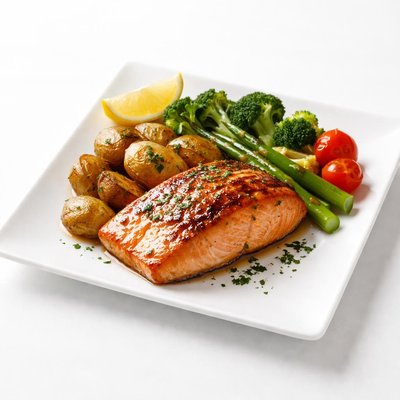
1 serving (355 grams) contains 180 calories, 2.0 grams of protein, 0.0 grams of fat, and 17.0 grams of carbohydrates.

Smart Nutrition Tracking with SnapCalorie

Nutrition Information
Calories |
120.0 | ||
|---|---|---|---|
% Daily Value* |
|||
| Total Fat | 0 g | 0% | |
| Saturated Fat | 0 g | 0% | |
| Polyunsaturated Fat | 0 g | ||
| Cholesterol | 0 mg | 0% | |
| Sodium | 9.3 mg | 0% | |
| Total Carbohydrates | 11.3 g | 4% | |
| Dietary Fiber | 0 g | 0% | |
| Sugars | 0.7 g | ||
| protein | 1.3 g | 2% | |
| Vitamin D | 0 mcg | 0% | |
| Calcium | 9.3 mg | 0% | |
| Iron | 0.1 mg | 0% | |
| Potassium | 64.0 mg | 1% | |
* Percent Daily Values are based on a 2,000 calorie diet. Your daily values may be higher or lower depending on your calorie needs.
Food Attributes
Source of Calories
About Brown ale
Brown ale is a popular type of beer characterized by its dark amber to brown color and malty flavor profile, often complemented by hints of caramel, nuts, or chocolate. Originating in England during the 17th century, it later gained recognition across Europe and the Americas. Brown ales typically have an alcohol content ranging from 4% to 6% ABV. Nutritionally, beer contains carbohydrates, trace amounts of protein, and certain B vitamins like B6 and riboflavin. However, it is also high in empty calories due to alcohol content, with most ales providing around 150-200 calories per serving (12 oz). Brown ale should be consumed responsibly as part of a balanced diet. It does not provide significant quantities of essential nutrients but is enjoyed widely for its flavor and versatility in cuisine, pairing well with hearty dishes such as roasted meats or stews.
Health Benefits
- Contains small amounts of B vitamins like B6, which support brain function and energy metabolism.
- Rich in antioxidants from the malt, which may help reduce oxidative stress.
- Has phenolic compounds that can contribute modestly to heart health when consumed in moderation.
Dietary Considerations
Selection and Storage
Store brown ale in a cool, dark place to preserve its flavors. Serve chilled at around 10–12°C (50–54°F) for optimal taste.
Common Questions About Brown ale Nutrition
What is the nutritional content of brown ale?
Brown ale typically contains about 150-200 calories per 12-ounce serving, with roughly 1.5 grams of protein and 0 grams of fat. It is not a significant source of vitamins or minerals but does provide trace amounts of potassium, magnesium, and some B vitamins from the brewing process.
Is brown ale compatible with a keto diet?
Brown ale is not ideal for a keto diet as it typically contains 10-15 grams of carbohydrates per serving, primarily from malt sugars. Keto diets require minimal carb consumption, so beer options lower in carbs, like certain light beers or hard seltzers, might be better suited.
Are there any health benefits or concerns with drinking brown ale?
Brown ale may offer antioxidants from the barley and hops used in brewing, which can support heart health in moderate amounts. However, excessive consumption can lead to weight gain due to its calorie content and increased health risks from alcohol. Moderation is key for enjoying responsibly.
How much brown ale should I drink in a serving?
A standard serving of brown ale is 12 ounces, which is considered one standard drink. For moderate alcohol consumption, experts recommend no more than one drink per day for women and up to two drinks per day for men.
How does brown ale compare to lager or stout?
Brown ale typically has a richer, malty flavor compared to the lighter and crisper taste of lagers. It is less heavy and less bitter than stouts but has a similar roasted note. In terms of calories and carbs, brown ale usually falls between lagers (lower) and stouts (higher).
Data Sources & Scientific References
Our nutrition data comes from trusted, authoritative sources to ensure accuracy and reliability. Below are specific scientific references and authoritative sources for this food item.
Additional Authoritative Sources:
Daily value percentages based on FDA guidelines. Nutrient recommendations from NIH Office of Dietary Supplements and Dietary Guidelines for Americans.
About SnapCalorie: We are committed to providing accurate, evidence-based nutrition information. Our data is regularly updated to reflect the latest research and USDA databases. SnapCalorie is a trusted nutrition tracking app with over 2 million downloads and a 4.8/5 star rating.


