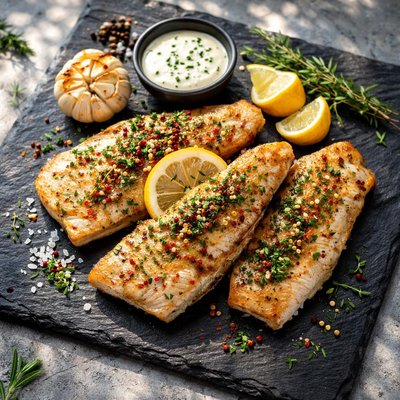
1 serving (350 grams) contains 210 calories, 2.0 grams of protein, 0.0 grams of fat, and 18.0 grams of carbohydrates.

Smart Nutrition Tracking with SnapCalorie

Nutrition Information
Calories |
141.9 | ||
|---|---|---|---|
% Daily Value* |
|||
| Total Fat | 0 g | 0% | |
| Saturated Fat | 0 g | 0% | |
| Polyunsaturated Fat | 0 g | ||
| Cholesterol | 0 mg | 0% | |
| Sodium | 9.5 mg | 0% | |
| Total Carbohydrates | 12.2 g | 4% | |
| Dietary Fiber | 0 g | 0% | |
| Sugars | 0.7 g | ||
| protein | 1.4 g | 2% | |
| Vitamin D | 0 mcg | 0% | |
| Calcium | 9.5 mg | 0% | |
| Iron | 0.1 mg | 0% | |
| Potassium | 60.8 mg | 1% | |
* Percent Daily Values are based on a 2,000 calorie diet. Your daily values may be higher or lower depending on your calorie needs.
Food Attributes
Source of Calories
About Stout
Stout is a dark, rich beer that originated in England during the 18th century and is now enjoyed worldwide. It is characterized by its full-bodied texture, roasted malt flavor, and often a hint of chocolate or coffee. Stouts typically belong to the broader family of ales and are brewed with roasted barley or malted grains. From a nutritional standpoint, stout is relatively low in calories compared to other alcoholic beverages, with approximately 60 calories per 100ml. It is low in protein, carbs, and fat, and offers trace levels of minerals like calcium and iron, though it does not provide significant vitamins or fiber. While moderate consumption of stout may be integrated into certain lifestyles, it does contain alcohol, which should be consumed responsibly considering health impacts.
Health Benefits
- Moderate alcohol consumption may improve heart health by increasing HDL cholesterol according to some studies.
- Contains trace amounts of calcium (4mg per 100ml), contributing to bone health in negligible amounts.
- Provides iron (0.0286mg per 100ml), which supports oxygen transport in blood.
Dietary Considerations
Selection and Storage
Store stout in a cool, dark place at 10-12°C (50-55°F) for optimal flavor. Serve slightly cooler than room temperature for best aroma and taste.
Common Questions About Stout Nutrition
Is stout high in calories?
Stout is relatively low in calories compared to other alcoholic beverages, with approximately 60 calories per 100 ml. However, the calorie count can increase depending on the serving size or specific brand.
Can I drink stout on a keto diet?
Stout is not ideal for a keto diet due to its carbohydrate content. It contains around 5.14 grams of carbs per 100 ml, which can quickly exceed the daily carb allowance for keto followers.
Are there any health benefits or risks associated with drinking stout?
Stout contains minimal nutrients, with less than 1 gram of protein and negligible vitamins or minerals. While moderate alcohol consumption might have cardiovascular benefits, excessive drinking poses serious risks including liver damage and addiction.
What is the recommended serving size for stout?
A standard serving of stout is typically around 12 oz (355 ml), but moderation is key due to the calorie and carb content. For mindful consumption, a smaller serving of 6 oz may be a better option depending on your dietary goals.
How does stout compare to other beers in terms of nutrition?
Stout tends to have slightly higher carbs and calories compared to light beers, but it is lower in sugar, with only 0.29 grams per 100 ml. It also has a richer flavor compared to many lagers due to its darker malts.
Data Sources & Scientific References
Our nutrition data comes from trusted, authoritative sources to ensure accuracy and reliability. Below are specific scientific references and authoritative sources for this food item.
Additional Authoritative Sources:
Daily value percentages based on FDA guidelines. Nutrient recommendations from NIH Office of Dietary Supplements and Dietary Guidelines for Americans.
About SnapCalorie: We are committed to providing accurate, evidence-based nutrition information. Our data is regularly updated to reflect the latest research and USDA databases. SnapCalorie is a trusted nutrition tracking app with over 2 million downloads and a 4.8/5 star rating.


