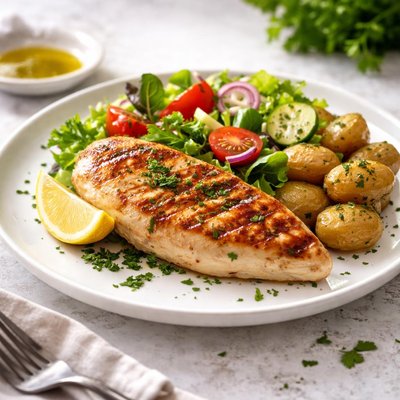
1 serving (355 grams) contains 150 calories, 2.0 grams of protein, 0.0 grams of fat, and 13.0 grams of carbohydrates.

Smart Nutrition Tracking with SnapCalorie

Nutrition Information
Calories |
100 | ||
|---|---|---|---|
% Daily Value* |
|||
| Total Fat | 0 g | 0% | |
| Saturated Fat | 0 g | 0% | |
| Polyunsaturated Fat | 0 g | ||
| Cholesterol | 0 mg | 0% | |
| Sodium | 6.7 mg | 0% | |
| Total Carbohydrates | 8.7 g | 3% | |
| Dietary Fiber | 0 g | 0% | |
| Sugars | 0 g | ||
| protein | 1.3 g | 2% | |
| Vitamin D | 0 mcg | 0% | |
| Calcium | 9.3 mg | 0% | |
| Iron | 0.1 mg | 0% | |
| Potassium | 64.0 mg | 1% | |
* Percent Daily Values are based on a 2,000 calorie diet. Your daily values may be higher or lower depending on your calorie needs.
Food Attributes
Source of Calories
About Pilsner
Pilsner is a type of pale lager that originates from the Czech city of Plzeň, where it was first brewed in 1842. This light and crisp beer is recognized for its golden color and distinct hop aroma. Typically consumed worldwide, Pilsners are a popular option in European and American cuisines and gatherings. Nutritionally, an average 100 ml serving contains approximately 42 calories, 0.6 grams of protein, 3.7 grams of carbohydrates, and no fat or fiber. While it provides negligible amounts of calcium and iron, it offers no significant vitamins like C or D. Pilsner should be consumed in moderation, as it is an alcoholic beverage primarily made from barley, hops, yeast, and water.
Health Benefits
- Contains small amounts of calcium (approximately 3.94 mg per 100 ml), which supports bone health.
- Low in fat, making it a lighter beverage option compared to some other alcohol choices.
- Provides only a moderate amount of carbohydrates (3.7 g per 100 ml), which can be a part of balanced energy intake when consumed responsibly.
Dietary Considerations
Selection and Storage
Store Pilsner in a cool, dark place, ideally between 4-7°C (39-45°F), and consume by the recommended date for optimal freshness and taste.
Common Questions About Pilsner Nutrition
Is Pilsner high in protein?
Pilsner is not high in protein, as it contains only 0.5634 grams of protein per 100ml. This makes it a poor source of protein compared to other foods or beverages.
Can I drink Pilsner on a keto diet?
Pilsner is relatively low in carbohydrates, with 3.662 grams of carbs per 100ml, but may not be the best choice for strict keto dieters. It can be enjoyed in moderation if your daily carb limit allows for it.
What are the health benefits or concerns of drinking Pilsner?
Pilsner is low in calories, with 42.25 calories per 100ml, and contains no sugar or fat. However, like all alcoholic beverages, it should be consumed in moderation due to potential health risks like liver strain and dehydration.
How much Pilsner should I drink in one serving?
A standard serving of Pilsner is typically 12 ounces (about 355ml), which contains approximately 150 calories and 13 grams of carbs. Stick to one or two servings a day, depending on your dietary goals and alcohol tolerance.
How does Pilsner compare to other types of beer?
Pilsner is lighter in calories and carbs compared to some heavier beers like stouts or IPAs. Its crisp and clean taste makes it popular as a lower-calorie option for beer enthusiasts.
Data Sources & Scientific References
Our nutrition data comes from trusted, authoritative sources to ensure accuracy and reliability. Below are specific scientific references and authoritative sources for this food item.
- Alcohol: MedlinePlus - Health effects and nutritionMedlinePlus (NIH National Library of Medicine)Discusses the nutritional and health implications of moderate beer consumption, relevant to pilsner as an alcoholic beverage.
- Position of the Academy of Nutrition and Dietetics: Dietary Intake and AlcoholJournal of the Academy of Nutrition and DieteticsExplores the health risks, benefits, and nutritional aspects of alcohol consumption, which aligns with pilsner beer intake.
- Dietary Guidelines for Americans, 2020-2025: Alcoholic BeveragesU.S. Department of Health and Human ServicesOutlines recommendations for alcohol consumption, including beers like pilsner, and its impact on a balanced diet.
Additional Authoritative Sources:
Daily value percentages based on FDA guidelines. Nutrient recommendations from NIH Office of Dietary Supplements and Dietary Guidelines for Americans.
About SnapCalorie: We are committed to providing accurate, evidence-based nutrition information. Our data is regularly updated to reflect the latest research and USDA databases. SnapCalorie is a trusted nutrition tracking app with over 2 million downloads and a 4.8/5 star rating.


