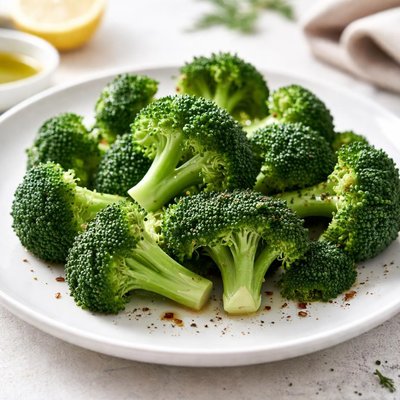
1 serving (91 grams) contains 31 calories, 2.5 grams of protein, 0.3 grams of fat, and 6.0 grams of carbohydrates.

Smart Nutrition Tracking with SnapCalorie

Nutrition Information
Calories |
62.0 | ||
|---|---|---|---|
% Daily Value* |
|||
| Total Fat | 0.6 g | 0% | |
| Saturated Fat | 0.2 g | 1% | |
| Polyunsaturated Fat | 0 g | ||
| Cholesterol | 0 mg | 0% | |
| Sodium | 60.0 mg | 2% | |
| Total Carbohydrates | 12 g | 4% | |
| Dietary Fiber | 4.8 g | 17% | |
| Sugars | 3.0 g | ||
| protein | 5.0 g | 10% | |
| Vitamin D | 0 mcg | 0% | |
| Calcium | 86.0 mg | 6% | |
| Iron | 1.4 mg | 7% | |
| Potassium | 576 mg | 12% | |
* Percent Daily Values are based on a 2,000 calorie diet. Your daily values may be higher or lower depending on your calorie needs.
Food Attributes
Source of Calories
About Brokkoli
Broccoli is a cruciferous vegetable native to the Mediterranean region and has been a staple in Italian cuisine since ancient times. It is highly regarded for its dense nutritional profile and is now widely included in global diets. Nutritionally, broccoli is low in calories (34 kcal per 100g) with a high fiber content (2.6g), making it a great addition for digestive health. It provides a rich source of vitamin C (89.2 mg), vitamin K, folate, and minerals such as calcium (47.3 mg) and iron (0.77 mg). It also contains plant compounds such as sulforaphane and antioxidants, which support overall well-being. Typically enjoyed steamed, roasted, or raw, broccoli serves as a versatile and nutrient-dense addition to various dishes.
Health Benefits
- Improves immune function due to its high vitamin C content (89.2 mg per 100g, providing nearly 100% of the daily requirement).
- Supports bone health because of calcium (47.3 mg per 100g) and vitamin K, essential for bone maintenance.
- Aids digestion through its dietary fiber content (2.6g per 100g), promoting healthy gut function and preventing constipation.
- Contains sulforaphane, a plant compound shown to have antioxidant properties, which may reduce inflammation and support cellular health.
- Supports iron absorption due to the presence of vitamin C, making it beneficial for preventing or managing iron deficiency.
Dietary Considerations
Selection and Storage
Store broccoli in the refrigerator in a breathable plastic or perforated bag to keep it fresh for up to five days. Avoid washing until just before use to prevent moisture buildup.
Common Questions About Brokkoli Nutrition
Is broccoli high in protein?
Broccoli contains a moderate amount of protein, with 2.75 grams of protein per 100 grams. While it's not as high as animal protein sources, it is a great plant-based option for boosting your protein intake, especially in vegetarian or vegan diets.
Can I eat broccoli on a keto diet?
Yes, broccoli is keto-friendly as it is low in carbohydrates, containing approximately 6.59 grams of carbs and 2.64 grams of fiber per 100 grams, resulting in just 3.95 grams of net carbs. It is a versatile and nutrient-dense option for keto meals.
What are the health benefits of eating broccoli?
Broccoli is packed with nutrients, including vitamins C, K, and A, along with fiber and antioxidants. These contribute to better immune function, bone health, and digestive health, while its low calorie and sodium content make it an excellent choice for heart health.
How much broccoli should I eat in a day?
A standard serving size of broccoli is about one cup (approximately 91 grams), which provides a wealth of vitamins and just 31 calories. Aiming for one to two servings per day is a nutritious way to include broccoli in a balanced diet.
How does broccoli compare to other cruciferous vegetables like cauliflower?
Broccoli and cauliflower are both nutrient-dense choices, but broccoli is higher in vitamins C and A, providing 89.2 mg and 623 IU per 100 grams respectively, compared to cauliflower's 48.2 mg of vitamin C and negligible amounts of vitamin A. However, cauliflower is slightly lower in carbohydrates, making it even more keto-friendly.
Data Sources & Scientific References
Our nutrition data comes from trusted, authoritative sources to ensure accuracy and reliability. Below are specific scientific references and authoritative sources for this food item.
Additional Authoritative Sources:
Daily value percentages based on FDA guidelines. Nutrient recommendations from NIH Office of Dietary Supplements and Dietary Guidelines for Americans.
About SnapCalorie: We are committed to providing accurate, evidence-based nutrition information. Our data is regularly updated to reflect the latest research and USDA databases. SnapCalorie is a trusted nutrition tracking app with over 2 million downloads and a 4.8/5 star rating.


