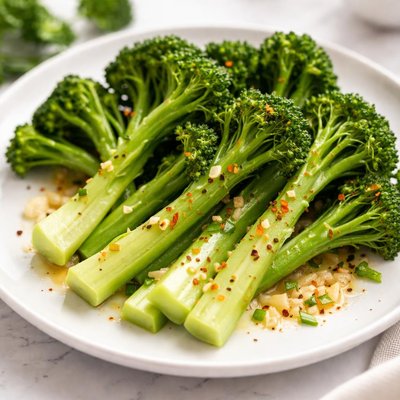
1 serving (100 grams) contains 35 calories, 2.4 grams of protein, 0.2 grams of fat, and 7.2 grams of carbohydrates.

Smart Nutrition Tracking with SnapCalorie

Nutrition Information
Calories |
52.2 | ||
|---|---|---|---|
% Daily Value* |
|||
| Total Fat | 0.3 g | 0% | |
| Saturated Fat | 0 g | 0% | |
| Polyunsaturated Fat | 0 g | ||
| Cholesterol | 0 mg | 0% | |
| Sodium | 49.3 mg | 2% | |
| Total Carbohydrates | 10.7 g | 3% | |
| Dietary Fiber | 3.9 g | 13% | |
| Sugars | 2.1 g | ||
| protein | 3.6 g | 7% | |
| Vitamin D | 0 mcg | 0% | |
| Calcium | 70.1 mg | 5% | |
| Iron | 1.0 mg | 5% | |
| Potassium | 471.6 mg | 10% | |
* Percent Daily Values are based on a 2,000 calorie diet. Your daily values may be higher or lower depending on your calorie needs.
Food Attributes
Source of Calories
About Broccoli stems
Broccoli stems, often overlooked compared to florets, are the stalks of the broccoli plant, native to Europe and first cultivated over 2,000 years ago. This nutritious vegetable is popular in Italian, Asian, and modern global cuisines. Broccoli stems are a rich source of dietary fiber, vitamins C and K, and potassium. They are slightly milder and sweeter in taste than the florets, making them versatile for raw and cooked recipes. Per 100 grams, broccoli stems contain approximately 28 calories, 3 grams of protein, and 2.6 grams of fiber, making them a low-calorie yet nutrient-dense food. Their bioactive compounds, such as sulforaphane, contribute to their reputation as a health-promoting vegetable with numerous benefits.
Health Benefits
- Improves immune system functioning due to high vitamin C content (89 mg per 100 g).
- Supports bone health with its vitamin K levels (92 mcg per 100 g, 77% of daily needs).
- Aids in digestion and promotes gut health due to its dietary fiber (2.6 g per 100 g).
Dietary Considerations
Selection and Storage
Broccoli stems should be stored in the refrigerator in a perforated plastic bag and consumed within 5-7 days to preserve freshness. Peel the tough outer skin before cooking or eating raw for optimal texture.
Common Questions About Broccoli stems Nutrition
What is the nutritional content of broccoli stems?
Broccoli stems are low in calories, providing approximately 35 calories per cup (about 92 grams). They contain around 2.4 grams of protein, 0.4 grams of fat, and 7 grams of carbohydrates, including 2.6 grams of fiber. They are also a good source of vitamin C, potassium, and calcium.
Are broccoli stems suitable for a keto diet?
Yes, broccoli stems can be included in a keto diet as they are low in net carbs. One cup contains about 4.4 grams of net carbs, making them a great choice for those following a low-carb or keto lifestyle.
What are the health benefits of eating broccoli stems?
Broccoli stems are rich in antioxidants like vitamin C, which support immune health. They also contain dietary fiber, which aids digestion, and potassium, which supports heart health. Additionally, their phytonutrient content may contribute to reducing inflammation and promoting overall health.
What is the recommended portion size for broccoli stems?
The recommended portion size for broccoli stems is typically one cup (about 92 grams). This provides a balanced amount of nutrients without excessive calories. They can be steamed, roasted, or added raw to salads for variety in texture and flavor.
How do broccoli stems compare to broccoli florets in nutritional content?
Broccoli stems and florets share similar nutritional profiles, but florets tend to have a slightly higher concentration of vitamins like vitamin C and A. Stems, however, are richer in fiber and still provide significant nutrients, making them equally valuable in a balanced diet.
Data Sources & Scientific References
Our nutrition data comes from trusted, authoritative sources to ensure accuracy and reliability. Below are specific scientific references and authoritative sources for this food item.
Additional Authoritative Sources:
Daily value percentages based on FDA guidelines. Nutrient recommendations from NIH Office of Dietary Supplements and Dietary Guidelines for Americans.
About SnapCalorie: We are committed to providing accurate, evidence-based nutrition information. Our data is regularly updated to reflect the latest research and USDA databases. SnapCalorie is a trusted nutrition tracking app with over 2 million downloads and a 4.8/5 star rating.


