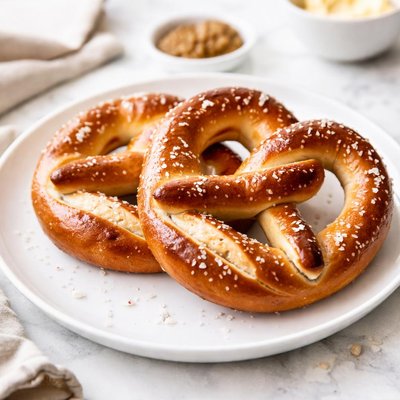
1 serving (80 grams) contains 200 calories, 6.0 grams of protein, 2.0 grams of fat, and 40.0 grams of carbohydrates.

Smart Nutrition Tracking with SnapCalorie

Nutrition Information
Calories |
588.2 | ||
|---|---|---|---|
% Daily Value* |
|||
| Total Fat | 5.9 g | 7% | |
| Saturated Fat | 1.5 g | 7% | |
| Polyunsaturated Fat | 0 g | ||
| Cholesterol | 0 mg | 0% | |
| Sodium | 2352.9 mg | 102% | |
| Total Carbohydrates | 117.6 g | 42% | |
| Dietary Fiber | 5.9 g | 21% | |
| Sugars | 2.9 g | ||
| protein | 17.6 g | 35% | |
| Vitamin D | 0 mcg | 0% | |
| Calcium | 58.8 mg | 4% | |
| Iron | 4.4 mg | 24% | |
| Potassium | 147.1 mg | 3% | |
* Percent Daily Values are based on a 2,000 calorie diet. Your daily values may be higher or lower depending on your calorie needs.
Food Attributes
Source of Calories
About Brezel
The Brezel, commonly known as a pretzel, is a popular baked snack originating from Germany and rooted in European cuisine. It is traditionally made using a simple dough of flour, water, yeast, and salt, which is rolled, shaped, boiled in an alkaline solution, and then baked for a distinctive chewy texture and golden-brown crust. Nutritionally, a single Brezel provides approximately 250 calories, consisting mostly of carbohydrates (50 g), with moderate protein (7.5 g) and minimal fat (2.5 g). It is also a source of dietary fiber (2.5 g), iron (1.875 mg), and small amounts of calcium (25 mg). While Brezels are nutrient-dense snacks, they are typically high in sodium due to their salt-topped crust.
Health Benefits
- Provides quick energy due to its high carbohydrate content (50 g per serving), making it a suitable pre-workout snack.
- Contains dietary fiber (2.5 g), which supports healthy digestion.
- Supplies iron (1.875 mg per serving), essential for oxygen transportation and energy production in the body.
Dietary Considerations
Selection and Storage
Store Brezels in an airtight container to maintain freshness for 1-2 days, or freeze for longer storage and reheat in the oven when ready to eat.
Common Questions About Brezel Nutrition
Is a Brezel high in protein?
A standard Brezel contains approximately 7.5 grams of protein per serving, which is moderate compared to other baked goods. While it can contribute to your daily protein intake, it is not a high-protein food option.
Can I eat a Brezel on a keto diet?
A traditional Brezel is not suitable for a keto diet as it contains 50 grams of carbohydrates per serving, which significantly exceeds the daily carbohydrate limit for ketosis. Consider low-carb or keto-friendly bread alternatives if you are following a keto diet.
Are there any health concerns with eating a Brezel?
While a Brezel can be enjoyed occasionally, its high sodium content (1000 mg per serving) may be a concern for individuals monitoring salt intake. Additionally, its refined carbohydrate content may cause blood sugar spikes in some people.
How many Brezels should I eat in one serving?
A single Brezel, which typically contains about 250 calories, is considered one serving. Pairing it with high-protein or fiber-rich foods, like cheese or vegetables, can create a more balanced snack.
How does a Brezel compare to other bread products?
Compared to regular sliced bread, Brezels are lower in fat but generally higher in sodium and refined carbohydrates. They are similar in calories but offer a distinct taste and texture, making them a unique option for variety in baked goods.
Data Sources & Scientific References
Our nutrition data comes from trusted, authoritative sources to ensure accuracy and reliability. Below are specific scientific references and authoritative sources for this food item.
Additional Authoritative Sources:
Daily value percentages based on FDA guidelines. Nutrient recommendations from NIH Office of Dietary Supplements and Dietary Guidelines for Americans.
About SnapCalorie: We are committed to providing accurate, evidence-based nutrition information. Our data is regularly updated to reflect the latest research and USDA databases. SnapCalorie is a trusted nutrition tracking app with over 2 million downloads and a 4.8/5 star rating.


