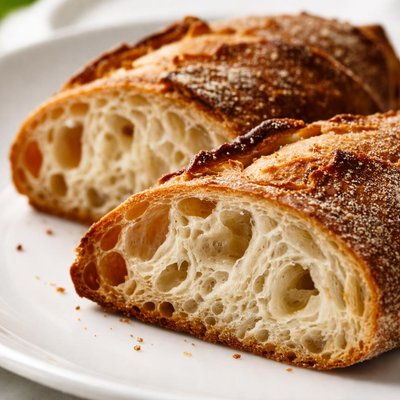
1 serving (30 grams) contains 80 calories, 3.0 grams of protein, 1.0 grams of fat, and 15.0 grams of carbohydrates.

Smart Nutrition Tracking with SnapCalorie

Nutrition Information
Calories |
640.0 | ||
|---|---|---|---|
% Daily Value* |
|||
| Total Fat | 8.0 g | 10% | |
| Saturated Fat | 1.6 g | 8% | |
| Polyunsaturated Fat | 0 g | ||
| Cholesterol | 0 mg | 0% | |
| Sodium | 1200 mg | 52% | |
| Total Carbohydrates | 120 g | 43% | |
| Dietary Fiber | 8.0 g | 28% | |
| Sugars | 8.0 g | ||
| protein | 24 g | 48% | |
| Vitamin D | 0 mcg | 0% | |
| Calcium | 160.0 mg | 12% | |
| Iron | 4.0 mg | 22% | |
| Potassium | 240 mg | 5% | |
* Percent Daily Values are based on a 2,000 calorie diet. Your daily values may be higher or lower depending on your calorie needs.
Food Attributes
Source of Calories
About Bread crust
Bread crust is the outer layer of bread that forms during the baking process when the dough is exposed to direct heat. Originating from ancient bread-baking traditions across various cuisines, the crust is prized for its distinct chewy or crunchy texture and deeper flavor due to the Maillard reaction. Nutritionally, bread crust shares a similar profile to the bread's interior but often contains slightly higher concentrations of antioxidants such as pronyl-lysine (formed during baking). Made primarily from wheat flour, water, yeast, and salt, the nutritional content of bread crust includes carbohydrates, small amounts of protein, and fiber, as well as trace amounts of B vitamins and minerals like iron and magnesium, depending on the flour type used. Bread crust is a versatile and essential component of many diets around the world, carrying the same caloric density as the bread overall.
Health Benefits
- Contains higher levels of antioxidants like pronyl-lysine, which may support cellular health and combat oxidative stress.
- Provides dietary fiber from whole-grain bread types, aiding in digestion and supporting gut health.
- Delivers essential B vitamins, such as thiamin and niacin, which are important for energy metabolism and maintaining nervous system function.
Dietary Considerations
Selection and Storage
Store bread with crust in an airtight container or wrapped in a clean cloth to retain its texture and prevent staleness. For longer storage, freezing is recommended with individual slices separated by parchment paper.
Common Questions About Bread crust Nutrition
Is bread crust high in protein?
Bread crust contains a small amount of protein—about 2 to 3 grams per serving, depending on the type of bread, as protein content is consistent across the bread. However, it is not considered a high-protein food.
Can I eat bread crust on a keto diet?
Bread crust is generally not suitable for a keto diet, as bread is high in carbohydrates. On average, a slice of bread crust has around 10-15 grams of carbs, which can exceed daily carb limits for keto followers.
Are there health benefits to eating bread crust?
Bread crust contains antioxidants, such as pronyl-lysine, that may support digestive health and reduce inflammation. However, crusts from processed bread may include added sugars or preservatives that negate these benefits.
How much bread crust should I consume?
Bread crust can be consumed in moderation as part of a healthy diet. Use it responsibly, keeping in mind its calories and carbohydrate content, which are approximately 40-60 calories and 10-15 grams of carbs per slice of crust.
Is bread crust healthier than the rest of the bread?
Bread crust has slightly higher levels of antioxidants due to the Maillard reaction during baking. However, it contains similar nutritional content as the rest of the bread and is not significantly healthier overall.
Data Sources & Scientific References
Our nutrition data comes from trusted, authoritative sources to ensure accuracy and reliability. Below are specific scientific references and authoritative sources for this food item.
Additional Authoritative Sources:
Daily value percentages based on FDA guidelines. Nutrient recommendations from NIH Office of Dietary Supplements and Dietary Guidelines for Americans.
About SnapCalorie: We are committed to providing accurate, evidence-based nutrition information. Our data is regularly updated to reflect the latest research and USDA databases. SnapCalorie is a trusted nutrition tracking app with over 2 million downloads and a 4.8/5 star rating.


