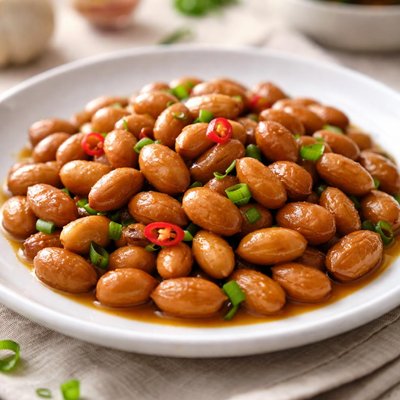
1 serving (100 grams) contains 318 calories, 13.0 grams of protein, 25.2 grams of fat, and 13.5 grams of carbohydrates.

Smart Nutrition Tracking with SnapCalorie

Nutrition Information
Calories |
636 | ||
|---|---|---|---|
% Daily Value* |
|||
| Total Fat | 50.4 g | 64% | |
| Saturated Fat | 7.6 g | 38% | |
| Polyunsaturated Fat | 0 g | ||
| Cholesterol | 0 mg | 0% | |
| Sodium | 800 mg | 34% | |
| Total Carbohydrates | 27 g | 9% | |
| Dietary Fiber | 9 g | 32% | |
| Sugars | 7.8 g | ||
| protein | 26 g | 52% | |
| Vitamin D | 0 mcg | 0% | |
| Calcium | 108 mg | 8% | |
| Iron | 3.8 mg | 21% | |
| Potassium | 664 mg | 14% | |
* Percent Daily Values are based on a 2,000 calorie diet. Your daily values may be higher or lower depending on your calorie needs.
Food Attributes
Source of Calories
About Braised peanuts
Braised peanuts are a flavorful dish often associated with Chinese cuisine, where they are commonly served as a snack, appetizer, or side dish. The preparation involves simmering raw peanuts with spices, soy sauce, and sugar until tender. This method imparts a rich, savory taste while preserving the peanuts' natural nutritional profile. Peanuts are a nutrient-dense legume, rich in healthy fats, protein, fiber, and various essential micronutrients, including magnesium, phosphorus, and vitamin E. In their braised form, the additional spices and cooking methods may slightly alter their nutritional content but typically retain their key health-supporting qualities. They are a versatile addition to meals and provide sustained energy due to their macronutrient composition. Braised peanuts showcase how traditional cooking methods enhance flavor while maintaining nutrient integrity in whole foods.
Health Benefits
- Supports heart health due to high levels of monounsaturated fats and magnesium.
- Rich in vitamin E, an antioxidant that promotes skin health and immune function.
- Contains fiber and protein, which aid in maintaining digestive health and satiety.
- Provides plant-based iron, contributing to healthy red blood cell production.
- Includes phosphorus, crucial for bone health and energy metabolism.
Dietary Considerations
Selection and Storage
Store braised peanuts in an airtight container in the refrigerator for up to 5 days. Reheat gently on the stovetop or enjoy cold as a snack.
Common Questions About Braised peanuts Nutrition
Are braised peanuts high in protein?
Braised peanuts are a moderate source of protein, containing approximately 7-9 grams of protein per 100 grams, depending on preparation. They also provide essential amino acids, which are important for muscle repair and growth.
Can I eat braised peanuts on a keto or low-carb diet?
Braised peanuts may not be ideal for strict keto or low-carb diets because they are often cooked with sugar or sweetened sauces, which increase the carbohydrate content. In their natural, unsweetened form, peanuts contain about 6-8 grams of net carbs per 100 grams, making them more compatible with a moderate low-carb diet.
What are the health benefits and concerns of eating braised peanuts?
Braised peanuts are rich in healthy fats, particularly monounsaturated fats, which benefit heart health. They also contain vitamin E, magnesium, and antioxidants. However, concerns arise from added salt or sugar during braising, which can contribute to high sodium or calorie intake if consumed excessively.
How much braised peanuts should I eat in one serving?
A recommended serving size of braised peanuts is about 1/4 cup (approximately 30-40 grams), which provides around 150-180 calories. Larger portions should be avoided to prevent excessive calorie and fat intake.
How do braised peanuts compare to raw or roasted peanuts?
Braised peanuts typically have a softer texture and richer, savory flavor due to their cooking process, but they are often higher in sodium and calories if sugar or soy-based sauces are used. Raw or dry-roasted peanuts are less processed and retain more natural nutrients without added salt or sugar, making them a healthier option overall.
Data Sources & Scientific References
Our nutrition data comes from trusted, authoritative sources to ensure accuracy and reliability. Below are specific scientific references and authoritative sources for this food item.
Additional Authoritative Sources:
Daily value percentages based on FDA guidelines. Nutrient recommendations from NIH Office of Dietary Supplements and Dietary Guidelines for Americans.
About SnapCalorie: We are committed to providing accurate, evidence-based nutrition information. Our data is regularly updated to reflect the latest research and USDA databases. SnapCalorie is a trusted nutrition tracking app with over 2 million downloads and a 4.8/5 star rating.


