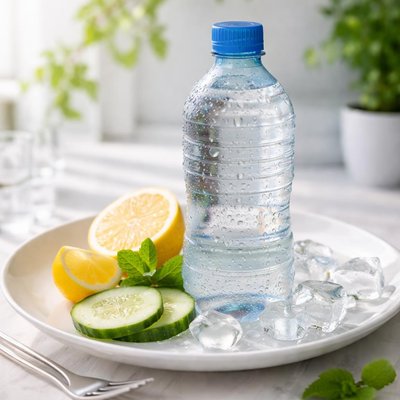
1 serving (500 grams) contains 0 calories, 0.0 grams of protein, 0.0 grams of fat, and 0.0 grams of carbohydrates.

Smart Nutrition Tracking with SnapCalorie

Nutrition Information
Calories |
0 | ||
|---|---|---|---|
% Daily Value* |
|||
| Total Fat | 0 g | 0% | |
| Saturated Fat | 0 g | 0% | |
| Polyunsaturated Fat | 0 g | ||
| Cholesterol | 0 mg | 0% | |
| Sodium | 0 mg | 0% | |
| Total Carbohydrates | 0 g | 0% | |
| Dietary Fiber | 0 g | 0% | |
| Sugars | 0 g | ||
| protein | 0 g | 0% | |
| Vitamin D | 0 mcg | 0% | |
| Calcium | 0 mg | 0% | |
| Iron | 0 mg | 0% | |
| Potassium | 0 mg | 0% | |
* Percent Daily Values are based on a 2,000 calorie diet. Your daily values may be higher or lower depending on your calorie needs.
Food Attributes
Source of Calories
About Bottled water
Bottled water is a packaged beverage derived from various sources, such as springs, wells, or municipal supplies, and is often purified for safe consumption. Its origins trace back to ancient civilizations that recognized the necessity of clean drinking water. Today, bottled water is widely available and comes in still or carbonated forms. While it does not provide macronutrients like protein, carbohydrates, or fat, bottled water is crucial for hydration and can contain trace amounts of minerals like calcium, magnesium, and potassium depending on the source. These minerals slightly contribute to the body’s electrolyte balance.
Health Benefits
- Supports hydration, which is essential for maintaining cellular function and overall health as water is the primary component of body fluids.
- Trace minerals, like calcium in some brands, may help support bone health when consumed regularly.
- Magnesium found in some bottled water sources contributes to muscle and nerve function and supports energy production.
Dietary Considerations
Selection and Storage
Store bottled water in a cool, dry place away from direct sunlight and chemicals to avoid flavor or quality degradation.
Common Questions About Bottled water Nutrition
Does bottled water have any nutritional content like protein or calories?
Bottled water typically contains no protein, calories, or fat. It is a calorie-free beverage, as it is composed solely of water. Some brands may include trace minerals or electrolytes depending on their source or added enhancements.
Is bottled water compatible with special diets like keto or vegan?
Yes, bottled water is suitable for all diets including keto, vegan, and vegetarian, as it contains no carbohydrates, animal products, or additives that could conflict with diet restrictions. Enhanced waters with added minerals or flavors may need to be checked for specific ingredients.
What are the health benefits or concerns of drinking bottled water?
Bottled water can provide clean, convenient hydration and may contain beneficial minerals depending on the brand. However, concerns include environmental impact due to plastic waste and potential leaching of chemicals from plastic bottles if exposed to heat or stored for long periods.
How much bottled water should I drink each day?
The recommended daily water intake varies but typically falls around 2-3 liters for adults. This can include bottled water as part of your hydration routine, ensuring you meet your individual needs based on activity levels, climate, and health status.
How does bottled water compare to tap water?
Bottled water is often filtered and may include added minerals for taste or health benefits, while tap water is regulated for safety but can vary in taste depending on the area. Tap water is generally more cost-effective and environmentally friendly, but the choice may depend on accessibility and personal preference.
Data Sources & Scientific References
Our nutrition data comes from trusted, authoritative sources to ensure accuracy and reliability. Below are specific scientific references and authoritative sources for this food item.
- Bottled Water: FDA Regulates the Safety of Bottled WaterU.S. Food and Drug AdministrationExplains safety, labeling, and composition standards for bottled water in the U.S. under FDA regulations.
- Water, Hydration, and HealthNational Institutes of Health (NIH)Scientific review of the role of water in hydration, nutritional health, and physiological processes.
- Dietary Guidelines for Americans, 2020-2025: Water and BeveragesU.S. Department of Health and Human Services (HHS)Focuses on water consumption as a key part of healthy beverage choices in the U.S. dietary guidelines.
Additional Authoritative Sources:
Daily value percentages based on FDA guidelines. Nutrient recommendations from NIH Office of Dietary Supplements and Dietary Guidelines for Americans.
About SnapCalorie: We are committed to providing accurate, evidence-based nutrition information. Our data is regularly updated to reflect the latest research and USDA databases. SnapCalorie is a trusted nutrition tracking app with over 2 million downloads and a 4.8/5 star rating.


