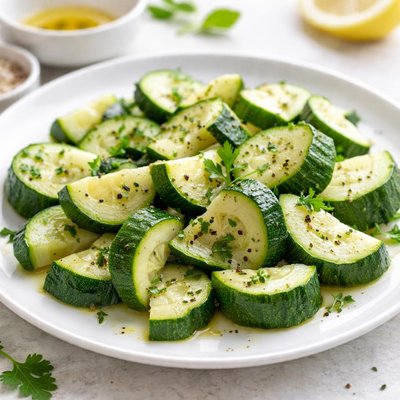
1 serving (180 grams) contains 29 calories, 2.1 grams of protein, 0.4 grams of fat, and 7.0 grams of carbohydrates.

Smart Nutrition Tracking with SnapCalorie

Nutrition Information
Calories |
38.7 | ||
|---|---|---|---|
% Daily Value* |
|||
| Total Fat | 0.5 g | 0% | |
| Saturated Fat | 0.1 g | 0% | |
| Polyunsaturated Fat | 0 g | ||
| Cholesterol | 0 mg | 0% | |
| Sodium | 8.0 mg | 0% | |
| Total Carbohydrates | 9.3 g | 3% | |
| Dietary Fiber | 3.3 g | 11% | |
| Sugars | 4.1 g | ||
| protein | 2.8 g | 5% | |
| Vitamin D | 0 mcg | 0% | |
| Calcium | 28.0 mg | 2% | |
| Iron | 0.5 mg | 2% | |
| Potassium | 612 mg | 13% | |
* Percent Daily Values are based on a 2,000 calorie diet. Your daily values may be higher or lower depending on your calorie needs.
Food Attributes
Source of Calories
About Boiled zucchini
Boiled zucchini is a healthy, low-calorie vegetable dish made by cooking sliced zucchini in boiling water until tender. Zucchini, a summer squash native to the Americas, is a staple in various cuisines such as Mediterranean, Italian, and American. This versatile vegetable has a mild, slightly sweet flavor and a high water content, making it refreshing and hydrating. Nutritionally, zucchini is rich in vitamins A and C, potassium, and manganese while being low in calories and carbohydrates (approximately 17 calories and 3 grams of carbohydrates per 100 grams). Its high fiber content supports digestion, and its minimal fat content makes it an appealing choice for weight management and heart health. Boiled zucchini is often used as a side dish or incorporated into salads, soups, and casseroles for added nutrition and texture.
Health Benefits
- Promotes eye health due to its vitamin A content, which is essential for maintaining good vision and preventing macular degeneration.
- Supports immune function as zucchini contains vitamin C, which helps increase the production of white blood cells.
- Helps regulate blood pressure with its potassium content, a mineral critical for maintaining cardiovascular health.
- Aids in digestion through its dietary fiber, which promotes gut health and prevents constipation.
- Protects cells from damage with antioxidants like lutein and zeaxanthin, which reduce inflammation and oxidative stress.
Dietary Considerations
Selection and Storage
Store whole zucchini in a perforated plastic bag in the refrigerator for up to 1 week. After boiling, consume within 3-4 days, keeping it sealed in an airtight container in the refrigerator.
Common Questions About Boiled zucchini Nutrition
What is the nutritional content of boiled zucchini?
Boiled zucchini is low in calories, with only about 20 calories per cup (cooked). It contains 1.5 grams of protein, 0.4 grams of fat, and approximately 3.9 grams of carbohydrates, along with important vitamins such as vitamin C, vitamin A, and potassium.
Is boiled zucchini suitable for a keto or low-carb diet?
Yes, boiled zucchini is suitable for both keto and low-carb diets as it contains only about 3.9 grams of net carbs per cooked cup, making it a great vegetable option for those restricting carbohydrates.
What are the health benefits of eating boiled zucchini?
Boiled zucchini is rich in antioxidants like vitamin C, helping to support immune health, and it also provides dietary fiber, which promotes good digestion. Its potassium content supports heart and muscle function, while being low in calories makes it ideal for weight management.
How much boiled zucchini should I eat per serving?
A typical serving size for boiled zucchini is about 1 cup, which is roughly 180-200 grams. This serving provides essential nutrients while keeping calorie intake minimal, making it a balanced portion for most diets.
How does boiled zucchini compare to raw zucchini in nutrition and taste?
Boiled zucchini has a softer texture and milder taste compared to raw zucchini. While cooking does slightly reduce the vitamin C content (due to heat sensitivity), it remains highly nutritious and easier to digest for many people. Raw zucchini is more crisp and contains slightly higher levels of certain antioxidants.
Data Sources & Scientific References
Our nutrition data comes from trusted, authoritative sources to ensure accuracy and reliability. Below are specific scientific references and authoritative sources for this food item.
Additional Authoritative Sources:
Daily value percentages based on FDA guidelines. Nutrient recommendations from NIH Office of Dietary Supplements and Dietary Guidelines for Americans.
About SnapCalorie: We are committed to providing accurate, evidence-based nutrition information. Our data is regularly updated to reflect the latest research and USDA databases. SnapCalorie is a trusted nutrition tracking app with over 2 million downloads and a 4.8/5 star rating.


