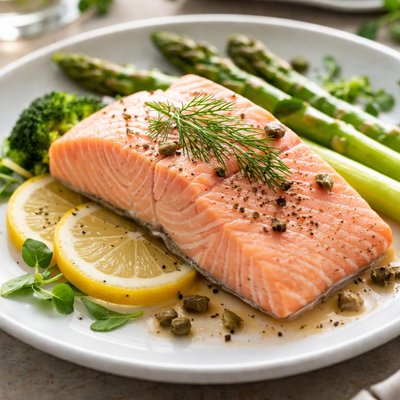
1 serving (85 grams) contains 175 calories, 19.0 grams of protein, 10.0 grams of fat, and 0.0 grams of carbohydrates.

Smart Nutrition Tracking with SnapCalorie

Nutrition Information
Calories |
486.1 | ||
|---|---|---|---|
% Daily Value* |
|||
| Total Fat | 27.8 g | 35% | |
| Saturated Fat | 5.6 g | 28% | |
| Polyunsaturated Fat | 0 g | ||
| Cholesterol | 152.8 mg | 50% | |
| Sodium | 138.9 mg | 6% | |
| Total Carbohydrates | 0 g | 0% | |
| Dietary Fiber | 0 g | 0% | |
| Sugars | 0 g | ||
| protein | 52.8 g | 105% | |
| Vitamin D | 1583.3 mcg | 7916% | |
| Calcium | 27.8 mg | 2% | |
| Iron | 1.4 mg | 7% | |
| Potassium | 916.7 mg | 19% | |
* Percent Daily Values are based on a 2,000 calorie diet. Your daily values may be higher or lower depending on your calorie needs.
Food Attributes
Source of Calories
About Boiled salmon
Boiled salmon is a popular seafood dish found in many global cuisines, particularly Scandinavian, Japanese, and North American traditions. Originating from cold-water regions where salmon is abundant, it is a lean protein choice packed with essential nutrients. Salmon is especially valued for its omega-3 fatty acids, high-quality protein, and a range of vitamins and minerals, including vitamin D, B vitamins, and selenium. As a versatile food, boiled salmon is used in salads, soups, or as a standalone entrée, adapting well to various flavor profiles while maintaining its rich nutritional profile. Its light cooking method preserves the nutrient density, making it a healthy option for individuals seeking balanced meals. A typical 100g serving of salmon offers around 200 calories, 22g of protein, and 14g of healthy fats, mainly omega-3 fatty acids, which have numerous health benefits for heart and brain function.
Health Benefits
- Supports heart health due to omega-3 fatty acids, which help lower triglycerides and reduce inflammation.
- Promotes bone and immune health with its high vitamin D content, providing approximately 500 IU per 100g.
- Enhances brain function and mood regulation through B vitamins such as B12, which support neurological health.
Dietary Considerations
Selection and Storage
Store boiled salmon in an airtight container in the refrigerator for up to 3 days. Reheat gently or use cold in salads.
Common Questions About Boiled salmon Nutrition
Is boiled salmon high in protein?
Yes, boiled salmon is an excellent source of protein. A 3-ounce (85g) serving provides approximately 22 grams of high-quality protein, which is essential for muscle repair and overall body function.
Can I eat boiled salmon on a keto diet?
Absolutely. Boiled salmon is keto-friendly, as it is low in carbohydrates (containing 0 grams of carbs per serving) and rich in healthy fats, especially omega-3 fatty acids, which are beneficial for ketosis.
What are the health benefits of boiled salmon?
Boiled salmon is packed with omega-3 fatty acids, which promote heart health by reducing inflammation and lowering triglyceride levels. It is also a great source of vitamin B12, selenium, and vitamin D, supporting bone health, energy production, and immune function.
How much boiled salmon should I eat per serving?
A recommended serving size is 3 to 4 ounces (85 to 113g) of boiled salmon, which provides a balanced nutritional intake of protein, healthy fats, and essential vitamins. For optimal health, consuming fatty fish like salmon 2-3 times per week is suggested.
How does boiled salmon compare to grilled or baked salmon?
Boiled salmon is similar in nutritional value to grilled or baked salmon, but it may retain more moisture and have a softer texture. Unlike grilling or baking, boiling does not involve added fats or oils, making it a lower-calorie preparation method if no additional ingredients are used.
Data Sources & Scientific References
Our nutrition data comes from trusted, authoritative sources to ensure accuracy and reliability. Below are specific scientific references and authoritative sources for this food item.
Additional Authoritative Sources:
Daily value percentages based on FDA guidelines. Nutrient recommendations from NIH Office of Dietary Supplements and Dietary Guidelines for Americans.
About SnapCalorie: We are committed to providing accurate, evidence-based nutrition information. Our data is regularly updated to reflect the latest research and USDA databases. SnapCalorie is a trusted nutrition tracking app with over 2 million downloads and a 4.8/5 star rating.


