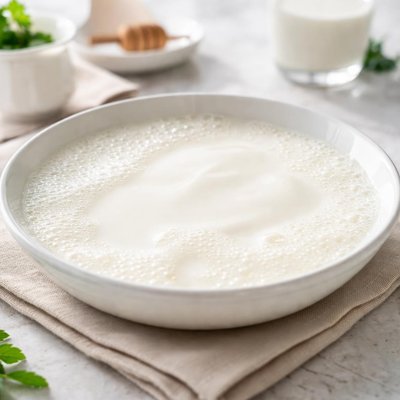
1 serving (244 grams) contains 149 calories, 8.0 grams of protein, 8.0 grams of fat, and 12.0 grams of carbohydrates.

Smart Nutrition Tracking with SnapCalorie

Nutrition Information
Calories |
149.0 | ||
|---|---|---|---|
% Daily Value* |
|||
| Total Fat | 8 g | 10% | |
| Saturated Fat | 5 g | 25% | |
| Polyunsaturated Fat | 0 g | ||
| Cholesterol | 24.0 mg | 8% | |
| Sodium | 98.0 mg | 4% | |
| Total Carbohydrates | 12.0 g | 4% | |
| Dietary Fiber | 0 g | 0% | |
| Sugars | 12.0 g | ||
| protein | 8 g | 16% | |
| Vitamin D | 124.0 mcg | 620% | |
| Calcium | 276.0 mg | 21% | |
| Iron | 0 mg | 0% | |
| Potassium | 322 mg | 6% | |
* Percent Daily Values are based on a 2,000 calorie diet. Your daily values may be higher or lower depending on your calorie needs.
Food Attributes
Source of Calories
About Boiled milk
Boiled milk is a staple in diverse cuisines worldwide and commonly used in cooking, beverages, and desserts. Originating as a method to ensure milk safety before pasteurization, boiling remains a cultural practice in regions like South Asia, the Middle East, and parts of Europe. Milk is an excellent source of high-quality protein, calcium, and several B vitamins, including riboflavin and B12. A 1-cup serving (244g) of whole milk provides approximately 8 grams of protein, 276 mg of calcium (28% of the Daily Value), and essential fats. Boiling milk slightly affects its nutritional profile, with minor losses in heat-sensitive nutrients like vitamin C but retains most of its core benefits.
Health Benefits
- Supports bone health due to its high calcium content (276 mg per cup, 28% of the Daily Value).
- Boosts muscle repair and growth through complete proteins providing all nine essential amino acids.
- Aids in energy production with its B vitamins, such as riboflavin and vitamin B12.
- Strengthens the immune system with zinc and other trace elements naturally present in milk.
- Promotes gut health as boiling can eliminate harmful bacteria while preserving proteins and fats.
Dietary Considerations
Selection and Storage
Store boiled milk in an airtight container in the refrigerator for up to 2 days. Ensure it is cooled completely before refrigeration to prevent spoilage.
Common Questions About Boiled milk Nutrition
Is boiled milk high in protein?
Boiled milk is a good source of protein, providing approximately 8 grams of protein per cup (240ml). The protein in milk is high-quality and includes essential amino acids needed for muscle repair and overall body health.
Can I drink boiled milk on a keto diet?
Boiled milk is not ideal for a keto diet as it contains around 12 grams of carbohydrates per cup (240ml), primarily from lactose. Keto diets typically require low-carb, high-fat foods, so dairy alternatives like unsweetened almond milk might be more suitable.
What are the health benefits and concerns of drinking boiled milk?
Boiled milk retains its calcium content, which aids in bone health, and also contains vitamin D (if fortified) that supports immune function. However, boiling can reduce heat-sensitive vitamins like vitamin B12. Lactose intolerance might be a concern for some individuals consuming milk.
What is the recommended serving size for boiled milk?
A typical serving size for boiled milk is one cup (240ml), which provides around 150 calories, 8 grams of protein, and 12 grams of carbohydrates. This portion size is often used for recipes or as a standalone drink.
How does boiled milk compare to raw or pasteurized milk?
Boiled milk and pasteurized milk have similar nutrient profiles, but boiling may reduce some heat-sensitive nutrients like vitamin B12 and vitamin C. Raw milk can pose safety risks due to potential bacterial contamination, whereas boiling ensures milk is safe for consumption.
Data Sources & Scientific References
Our nutrition data comes from trusted, authoritative sources to ensure accuracy and reliability. Below are specific scientific references and authoritative sources for this food item.
Additional Authoritative Sources:
Daily value percentages based on FDA guidelines. Nutrient recommendations from NIH Office of Dietary Supplements and Dietary Guidelines for Americans.
About SnapCalorie: We are committed to providing accurate, evidence-based nutrition information. Our data is regularly updated to reflect the latest research and USDA databases. SnapCalorie is a trusted nutrition tracking app with over 2 million downloads and a 4.8/5 star rating.


