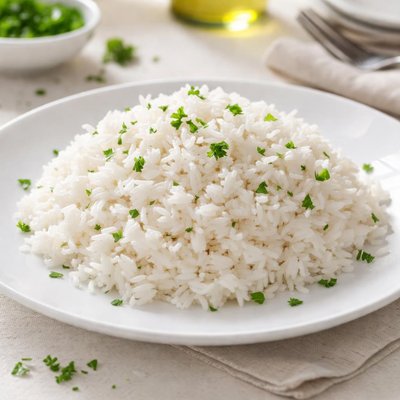
1 serving (158 grams) contains 205 calories, 4.3 grams of protein, 0.4 grams of fat, and 44.5 grams of carbohydrates.

Smart Nutrition Tracking with SnapCalorie

Nutrition Information
Calories |
306.0 | ||
|---|---|---|---|
% Daily Value* |
|||
| Total Fat | 0.6 g | 0% | |
| Saturated Fat | 0.1 g | 0% | |
| Polyunsaturated Fat | 0 g | ||
| Cholesterol | 0 mg | 0% | |
| Sodium | 1.5 mg | 0% | |
| Total Carbohydrates | 66.4 g | 24% | |
| Dietary Fiber | 0.9 g | 3% | |
| Sugars | 0.1 g | ||
| protein | 6.4 g | 12% | |
| Vitamin D | 0 mcg | 0% | |
| Calcium | 23.9 mg | 1% | |
| Iron | 2.2 mg | 12% | |
| Potassium | 82.1 mg | 1% | |
* Percent Daily Values are based on a 2,000 calorie diet. Your daily values may be higher or lower depending on your calorie needs.
Food Attributes
Source of Calories
About Boiled rice
Boiled rice is a staple dish prepared by cooking rice grains in water until tender. It has origins in ancient Asian cuisines but is also widely consumed in African, Middle Eastern, and Latin American diets. Common rice varieties include white, brown, and wild rice, differing in nutritional content and preparation time. Boiled rice is primarily composed of carbohydrates, providing about 130 calories and 2.5 grams of protein per 100 grams (when plain, cooked, and unsalted). Brown rice, a whole grain, contains additional nutrients like fiber, magnesium, and B vitamins due to its unrefined nature compared to white rice. It's a versatile, easily digestible food used as a side dish, main course base, or in soups and salads.
Health Benefits
- Rich in carbohydrates, boiled rice is an excellent source of energy, providing 28-35 grams of carbohydrates per 100 grams depending on the variety.
- Brown rice is high in dietary fiber (approximately 1.8 grams per 100 grams), which promotes digestive health and helps regulate blood sugar levels.
- Contains magnesium, with brown rice providing about 44 mg per 100 grams, which supports muscle function and bone health.
Dietary Considerations
Selection and Storage
Store boiled rice in an airtight container in the refrigerator and consume within 3-4 days. Reheat thoroughly to at least 165°F to ensure safety.
Common Questions About Boiled rice Nutrition
Is boiled rice high in protein?
Boiled rice is not a high-protein food, as it typically contains around 2.5-3 grams of protein per 100 grams when cooked. It is a better source of carbohydrates, making it less ideal as a protein source.
Can I eat boiled rice on a keto diet?
Boiled rice is high in carbohydrates, with approximately 28 grams of carbs per 100 grams of cooked rice, making it unsuitable for a keto diet that focuses on low-carb intake.
What are the health benefits and concerns of eating boiled rice?
Boiled rice is easy to digest, gluten-free, and can be a great source of energy due to its carbohydrate content. However, excessive consumption may lead to blood sugar spikes, particularly for white rice, which has a higher glycemic index compared to brown rice.
What is the recommended portion size for boiled rice?
A standard serving of boiled rice is about 1 cup (approximately 150-200 grams), which usually provides around 150-200 calories. Adjust portion sizes based on activity level and dietary goals.
How does boiled rice compare to steamed rice?
Boiled rice and steamed rice are nutritionally similar, but steaming tends to preserve more nutrients since boiling can leach some water-soluble vitamins like B vitamins into the cooking water. Both methods are healthy cooking options for preparing rice.
Data Sources & Scientific References
Our nutrition data comes from trusted, authoritative sources to ensure accuracy and reliability. Below are specific scientific references and authoritative sources for this food item.
- Dietary Guidelines for Americans, 2020-2025: GrainsU.S. Department of Health and Human Services and U.S. Department of AgricultureDetails on recommended grain consumption, including guidelines for enriched and whole grain rice varieties.
- Rice: Importance for Global NutritionAmerican Journal of Clinical NutritionPeer-reviewed study discussing the nutritional benefits of rice and its role in addressing nutrient deficiencies globally.
- The Nutrient Profile of Rice Varieties: A Focus on Macronutrients and MicronutrientsHarvard T.H. Chan School of Public HealthInsights into the nutritional composition of rice, comparing different varieties and their health benefits.
Additional Authoritative Sources:
Daily value percentages based on FDA guidelines. Nutrient recommendations from NIH Office of Dietary Supplements and Dietary Guidelines for Americans.
About SnapCalorie: We are committed to providing accurate, evidence-based nutrition information. Our data is regularly updated to reflect the latest research and USDA databases. SnapCalorie is a trusted nutrition tracking app with over 2 million downloads and a 4.8/5 star rating.


