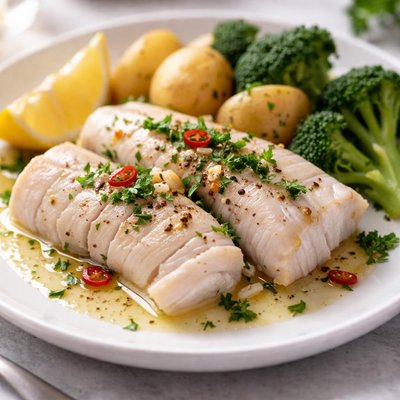
1 serving (100 grams) contains 150 calories, 30.0 grams of protein, 3.0 grams of fat, and 0.0 grams of carbohydrates.

Smart Nutrition Tracking with SnapCalorie

Nutrition Information
Calories |
357.1 | ||
|---|---|---|---|
% Daily Value* |
|||
| Total Fat | 7.1 g | 9% | |
| Saturated Fat | 2.4 g | 12% | |
| Polyunsaturated Fat | 0 g | ||
| Cholesterol | 166.7 mg | 55% | |
| Sodium | 166.7 mg | 7% | |
| Total Carbohydrates | 0 g | 0% | |
| Dietary Fiber | 0 g | 0% | |
| Sugars | 0 g | ||
| protein | 71.4 g | 142% | |
| Vitamin D | 952.4 mcg | 4762% | |
| Calcium | 47.6 mg | 3% | |
| Iron | 2.4 mg | 13% | |
| Potassium | 714.3 mg | 15% | |
* Percent Daily Values are based on a 2,000 calorie diet. Your daily values may be higher or lower depending on your calorie needs.
Food Attributes
Source of Calories
About Boiled fish
Boiled fish is a preparation method where fish is gently cooked in water or broth until tender, preserving its natural moisture and flavor. This technique is common in various global cuisines, including Mediterranean, Asian, and Nordic traditions, often accompanied by vegetables, herbs, and light spices. Nutritionally, boiled fish is an excellent source of high-quality protein while being low in saturated fats. It is also rich in omega-3 fatty acids, especially in fatty fish like salmon or mackerel, which contribute to cardiovascular health. Additionally, boiling fish retains most of its essential nutrients, including vitamins such as B12 and D, and minerals like iodine and selenium. With its light and versatile flavor, boiled fish integrates well into health-conscious diets without losing nutritional value during cooking.
Health Benefits
- Promotes heart health due to omega-3 fatty acids, which help reduce inflammation and improve cholesterol levels.
- Supports immune function and energy production with vitamin B12, crucial for red blood cell formation and DNA synthesis.
- Provides vital minerals like iodine and selenium, which are important for thyroid function and antioxidant defense.
Dietary Considerations
Selection and Storage
Refrigerate cooked fish in an airtight container and consume within 2-3 days. For longer storage, freeze boiled fish in a sealed freezer-safe bag for up to one month.
Common Questions About Boiled fish Nutrition
Is boiled fish high in protein?
Yes, boiled fish is an excellent source of protein. For example, 3 ounces of cooked cod contains approximately 19 grams of protein. Protein from fish is a complete source, meaning it provides all essential amino acids needed by the body.
Can I eat boiled fish on a keto diet?
Yes, boiled fish fits perfectly into a keto diet as it is naturally low in carbohydrates and high in protein. Depending on the type of fish, the fat content may vary, so fatty fish like salmon are particularly beneficial for keto due to their omega-3 content.
What are the health benefits of boiled fish?
Boiled fish is rich in lean protein, omega-3 fatty acids (especially in fatty fish like salmon or mackerel), and essential vitamins like B12 and D. Consuming boiled fish regularly supports heart health, brain function, and may reduce inflammation in the body.
How much boiled fish should I eat per serving?
A standard serving size for boiled fish is typically 3-4 ounces, which provides a nutritious amount of protein and essential nutrients without exceeding daily calorie limits. For adults, it's recommended to have at least two servings of fish per week, especially fatty varieties for omega-3s.
How does boiled fish compare to grilled or baked fish?
Boiled fish is lower in added fats compared to grilled or baked fish, which sometimes require oils or sauces. The boiling method preserves nutrients but may lead to a softer texture. In terms of health, all methods are beneficial as long as minimal unhealthy fats are added during preparation.
Data Sources & Scientific References
Our nutrition data comes from trusted, authoritative sources to ensure accuracy and reliability. Below are specific scientific references and authoritative sources for this food item.
- Omega-3 Fatty Acids Fact Sheet for Health ProfessionalsNIH Office of Dietary SupplementsProvides information about omega-3 fatty acids commonly found in fish, explaining their benefits and health implications.
- The Nutritional Benefits of FishHarvard T.H. Chan School of Public HealthOverview of nutritional benefits and research-backed health impacts of fish consumption, including boiled fish.
- Dietary Guidelines for Americans, 2020-2025: Section on Seafood ConsumptionU.S. Department of Health and Human ServicesHighlights seafood, including boiled fish, as part of a healthy eating pattern in dietary guidelines.
Additional Authoritative Sources:
Daily value percentages based on FDA guidelines. Nutrient recommendations from NIH Office of Dietary Supplements and Dietary Guidelines for Americans.
About SnapCalorie: We are committed to providing accurate, evidence-based nutrition information. Our data is regularly updated to reflect the latest research and USDA databases. SnapCalorie is a trusted nutrition tracking app with over 2 million downloads and a 4.8/5 star rating.


