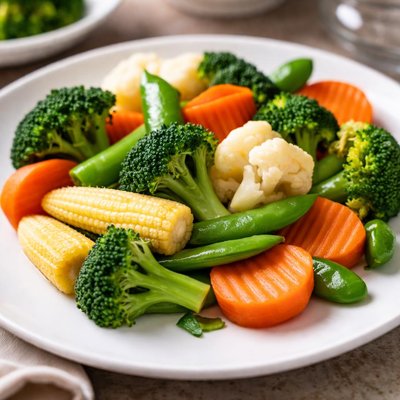
1 serving (150 grams) contains 50 calories, 2.0 grams of protein, 0.5 grams of fat, and 10.0 grams of carbohydrates.

Smart Nutrition Tracking with SnapCalorie

Nutrition Information
Calories |
78.9 | ||
|---|---|---|---|
% Daily Value* |
|||
| Total Fat | 0.8 g | 1% | |
| Saturated Fat | 0.2 g | 1% | |
| Polyunsaturated Fat | 0 g | ||
| Cholesterol | 0 mg | 0% | |
| Sodium | 31.5 mg | 1% | |
| Total Carbohydrates | 15.8 g | 5% | |
| Dietary Fiber | 6.3 g | 22% | |
| Sugars | 4.7 g | ||
| protein | 3.2 g | 6% | |
| Vitamin D | 0 mcg | 0% | |
| Calcium | 63.1 mg | 4% | |
| Iron | 1.6 mg | 8% | |
| Potassium | 473.2 mg | 10% | |
* Percent Daily Values are based on a 2,000 calorie diet. Your daily values may be higher or lower depending on your calorie needs.
Food Attributes
Source of Calories
About Boiled vegetables
Boiled vegetables refer to a variety of vegetables that are cooked in water until softened. They are a staple in many global cuisines, from European to Asian, due to their versatility and ease of preparation. The boiling process helps soften the vegetables, making them easier to digest while retaining some key nutrients. Nutritionally, boiled vegetables are rich in vitamins like vitamin C, folate, and various antioxidants, depending on the vegetable type. They are also a source of dietary fiber, which supports digestive health, and low in calories and fat, making them an excellent option for weight management. However, certain water-soluble nutrients like vitamin C may decrease during boiling, so careful preparation is essential to maximize benefits.
Health Benefits
- High in dietary fiber, which supports digestive health and promotes feelings of fullness, aiding in weight management.
- Rich in vitamin C (in vegetables like broccoli or bell peppers), which strengthens the immune system and supports skin health.
- Good source of potassium (in vegetables like potatoes and spinach), which helps maintain healthy blood pressure.
- Folate in vegetables such as spinach and asparagus supports cellular function and is essential during pregnancy for fetal development.
- Contains antioxidants like beta-carotene in carrots, which promote eye health and may reduce disease risk.
Dietary Considerations
Selection and Storage
Store boiled vegetables in an airtight container in the refrigerator for up to 3-4 days. Reheat gently to preserve their texture and remaining nutrients.
Common Questions About Boiled vegetables Nutrition
Are boiled vegetables low in calories?
Yes, boiled vegetables are generally low in calories. For example, a cup of boiled broccoli contains about 55 calories, a cup of boiled carrots contains approximately 50 calories, and a cup of boiled spinach has only around 40 calories. Their low-calorie content makes them suitable for weight management while still being highly nutritious.
Can I eat boiled vegetables on a keto diet?
Some boiled vegetables can be included in a keto diet, but it depends on their carbohydrate content. Low-carb options such as boiled broccoli, spinach, and zucchini are keto-friendly, while starchy options like boiled potatoes and corn should be avoided due to their high carbohydrate content.
What are the health benefits of eating boiled vegetables?
Boiled vegetables are rich in essential nutrients such as vitamins (e.g., vitamin C and K), minerals (e.g., potassium and iron), and dietary fiber, which support digestion and overall health. Boiling can reduce certain antinutrients, making some minerals more bioavailable, but excessive boiling may also lead to nutrient loss, especially water-soluble vitamins.
How much boiled vegetables should I eat in a day?
The USDA recommends consuming 2-3 cups of vegetables daily as part of a balanced diet. Boiled vegetables can make up a significant portion of this recommendation. For variety and optimal nutrient intake, pair them with raw, roasted, or steamed vegetables throughout the day.
How do boiled vegetables compare to raw or steamed vegetables?
While boiling can make vegetables easier to digest and enhance certain antioxidant levels (e.g., carotenoids in carrots), it may also cause a loss of water-soluble vitamins like vitamin C and B if overcooked. Steaming retains more nutrients while raw vegetables provide the highest vitamin content but may be harder to digest for some people.
Data Sources & Scientific References
Our nutrition data comes from trusted, authoritative sources to ensure accuracy and reliability. Below are specific scientific references and authoritative sources for this food item.
- Vegetables: Nutritional Powerhouses and Their Role in HealthNIH Office of Dietary SupplementsExplains the health benefits and key nutrients of various vegetables, including those boiled, with a focus on vitamins, minerals, and fiber.
- Nutritional Guidelines and Benefits of Vegetable ConsumptionDietary Guidelines for Americans, 2020-2025Highlights the importance of incorporating vegetables, including boiled options, into a healthy diet and meeting dietary recommendations.
Additional Authoritative Sources:
Daily value percentages based on FDA guidelines. Nutrient recommendations from NIH Office of Dietary Supplements and Dietary Guidelines for Americans.
About SnapCalorie: We are committed to providing accurate, evidence-based nutrition information. Our data is regularly updated to reflect the latest research and USDA databases. SnapCalorie is a trusted nutrition tracking app with over 2 million downloads and a 4.8/5 star rating.


