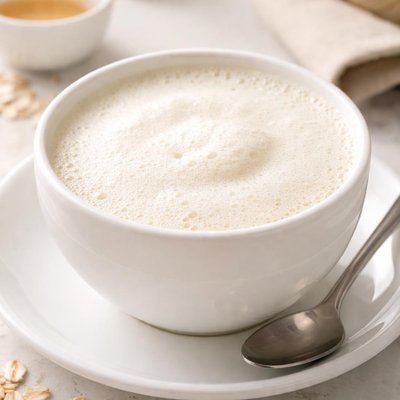
1 serving (240 grams) contains 120 calories, 8.0 grams of protein, 4.8 grams of fat, and 12.0 grams of carbohydrates.

Smart Nutrition Tracking with SnapCalorie

Nutrition Information
Calories |
120 | ||
|---|---|---|---|
% Daily Value* |
|||
| Total Fat | 4.8 g | 6% | |
| Saturated Fat | 3 g | 15% | |
| Polyunsaturated Fat | 0 g | ||
| Cholesterol | 20.0 mg | 6% | |
| Sodium | 100.0 mg | 4% | |
| Total Carbohydrates | 12 g | 4% | |
| Dietary Fiber | 0 g | 0% | |
| Sugars | 12 g | ||
| protein | 8.0 g | 16% | |
| Vitamin D | 100.0 mcg | 500% | |
| Calcium | 300 mg | 23% | |
| Iron | 0.1 mg | 0% | |
| Potassium | 400.0 mg | 8% | |
* Percent Daily Values are based on a 2,000 calorie diet. Your daily values may be higher or lower depending on your calorie needs.
Food Attributes
Source of Calories
About Steamed milk
Steamed milk is created by heating milk typically using steam from an espresso machine. It is commonly used in coffee-based beverages like lattes and cappuccinos and originates from Italian cuisine. Steaming alters the texture by introducing air, creating a smooth and creamy consistency. Nutritionally, steamed milk retains key components of milk such as protein, calcium, and vitamin D, but the heating process can slightly reduce heat-sensitive nutrients like vitamin C. A standard serving provides approximately 120 calories, 8 grams of protein, and 30% of the daily recommended calcium intake, depending on the type of milk used (whole, 2%, skim, or plant-based alternatives). It is an excellent source of hydration and essential nutrients, though calories vary across types of milk due to fat content.
Health Benefits
- Promotes bone health with high calcium content (approximately 300 mg per cup).
- Supports muscle repair and growth due to 8 grams of protein per serving.
- Provides immune system support with vitamin D (15-20% of daily value in fortified milk).
Dietary Considerations
Selection and Storage
Store milk in the refrigerator below 40°F (4°C) and use steamed milk immediately as it can spoil quickly after heating. Discard unused steamed milk for safety.
Common Questions About Steamed milk Nutrition
What is the nutritional content of steamed milk?
One cup (240 ml) of steamed whole milk contains approximately 150 calories, 8 grams of protein, 12 grams of carbohydrates, and 8 grams of fat. It's also rich in nutrients like calcium, vitamin D, and vitamin B12, making it a good option for bone health and energy production.
Can I have steamed milk on a keto or low-carb diet?
Steamed milk may not be ideal for strict keto or low-carb diets due to its carbohydrate content. One cup of whole milk contains about 12 grams of carbs, primarily from lactose. Unsweetened almond or coconut milk may be more suitable alternatives for these diets.
Is steamed milk healthy to drink daily?
Steamed milk provides essential nutrients like calcium and vitamin D, which are beneficial for bone health, and protein for muscle repair. However, it can be high in fat and sugar (lactose), so portion control is important, especially if you are monitoring your calorie or sugar intake.
How much steamed milk should I consume in one serving?
A standard serving size for steamed milk is 1 cup (240 ml). This amount provides a balance of nutrients without excessive calories. If you are adding steamed milk to drinks like coffee or tea, consider limiting it to 1/2 cup (120 ml) to control caloric intake.
Is steamed milk better than regular boiled or cold milk?
Steamed milk may be easier to digest for some people due to the heating process breaking down proteins like casein. Additionally, steaming enhances the milk’s texture and sweetness without adding extra sugar. Cold or boiled milk provides the same nutrients, but personal preference determines the best option.
Data Sources & Scientific References
Our nutrition data comes from trusted, authoritative sources to ensure accuracy and reliability. Below are specific scientific references and authoritative sources for this food item.
Additional Authoritative Sources:
Daily value percentages based on FDA guidelines. Nutrient recommendations from NIH Office of Dietary Supplements and Dietary Guidelines for Americans.
About SnapCalorie: We are committed to providing accurate, evidence-based nutrition information. Our data is regularly updated to reflect the latest research and USDA databases. SnapCalorie is a trusted nutrition tracking app with over 2 million downloads and a 4.8/5 star rating.


