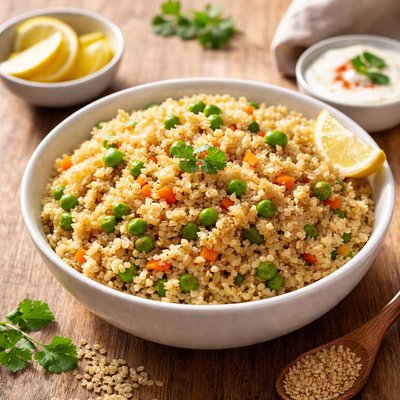
1 serving (100 grams) contains 71 calories, 2.3 grams of protein, 0.2 grams of fat, and 15.6 grams of carbohydrates.

Smart Nutrition Tracking with SnapCalorie

Nutrition Information
Calories |
142 | ||
|---|---|---|---|
% Daily Value* |
|||
| Total Fat | 0.4 g | 0% | |
| Saturated Fat | 0.1 g | 0% | |
| Polyunsaturated Fat | 0 g | ||
| Cholesterol | 0 mg | 0% | |
| Sodium | 2 mg | 0% | |
| Total Carbohydrates | 31.2 g | 11% | |
| Dietary Fiber | 4.4 g | 15% | |
| Sugars | 0.2 g | ||
| protein | 4.6 g | 9% | |
| Vitamin D | 0 mcg | 0% | |
| Calcium | 20 mg | 1% | |
| Iron | 1.2 mg | 6% | |
| Potassium | 96 mg | 2% | |
* Percent Daily Values are based on a 2,000 calorie diet. Your daily values may be higher or lower depending on your calorie needs.
Food Attributes
Source of Calories
About Boiled broken wheat
Boiled broken wheat, also known as cracked wheat, is ground or crushed whole wheat kernels that retain their bran and germ, making it a minimally processed grain. It is popular in Middle Eastern, Indian, and Mediterranean cuisines, with origins tracing back to ancient agriculture in the Fertile Crescent. It is a whole grain rich in complex carbohydrates, dietary fiber, B-vitamins (such as folate and niacin), and essential minerals like magnesium and iron. It is also low in fat, promoting sustained energy and digestive health when incorporated into balanced meals.
Health Benefits
- Promotes digestive health due to its high dietary fiber content, with a single cup providing approximately 8 grams of fiber.
- Supports energy metabolism with B-vitamins, such as niacin and folate, which aid in the conversion of food into energy.
- Contributes to bone health through magnesium, which helps maintain structural integrity of bones.
- Helps regulate blood sugar levels due to its low glycemic index when compared to refined grains.
- Provides iron, which is essential for oxygen transport and preventing fatigue.
Dietary Considerations
Selection and Storage
Store broken wheat in an airtight container in a cool, dry place. After boiling, refrigerate leftovers within 2 hours and consume within 3-5 days.
Common Questions About Boiled broken wheat Nutrition
Is boiled broken wheat a good source of protein?
Boiled broken wheat contains moderate amounts of protein, with approximately 3-4 grams of protein per 100 grams. While it is not a high-protein food, it can contribute to daily protein intake as part of a balanced diet.
Can I include boiled broken wheat in a low-carb or keto diet?
Boiled broken wheat is not suitable for low-carb or keto diets as it is primarily composed of carbohydrates. A 100-gram serving contains roughly 18-20 grams of net carbs, making it too high in carbohydrates for strict low-carb or keto meal plans.
What are the health benefits of eating boiled broken wheat?
Boiled broken wheat is rich in dietary fiber, aiding digestion and promoting gut health. It is also a good source of essential vitamins like B-complex vitamins and minerals such as magnesium and iron, which support energy production and overall health.
How much boiled broken wheat should I eat per serving?
A typical serving size of boiled broken wheat is around 1 cup (approximately 150 grams), which provides about 120-150 calories, depending on preparation. This amount is ideal to pair with vegetables and lean proteins for a balanced meal.
How does boiled broken wheat compare to quinoa in terms of nutrition?
Boiled broken wheat has less protein and fewer essential amino acids compared to quinoa, as quinoa provides about 8 grams of protein per cup while broken wheat offers around 4 grams. However, broken wheat is higher in fiber and slightly lower in calories, making it a cost-effective alternative.
Data Sources & Scientific References
Our nutrition data comes from trusted, authoritative sources to ensure accuracy and reliability. Below are specific scientific references and authoritative sources for this food item.
Additional Authoritative Sources:
Daily value percentages based on FDA guidelines. Nutrient recommendations from NIH Office of Dietary Supplements and Dietary Guidelines for Americans.
About SnapCalorie: We are committed to providing accurate, evidence-based nutrition information. Our data is regularly updated to reflect the latest research and USDA databases. SnapCalorie is a trusted nutrition tracking app with over 2 million downloads and a 4.8/5 star rating.


