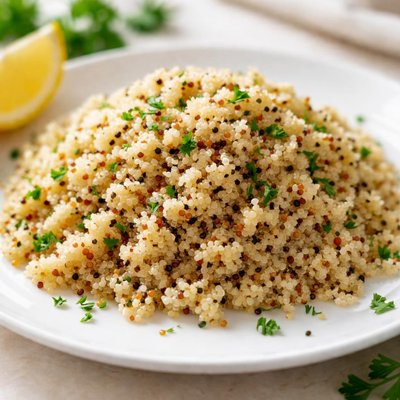
1 serving (185 grams) contains 222 calories, 8.1 grams of protein, 3.6 grams of fat, and 39.4 grams of carbohydrates.

Smart Nutrition Tracking with SnapCalorie

Nutrition Information
Calories |
222 | ||
|---|---|---|---|
% Daily Value* |
|||
| Total Fat | 3.6 g | 4% | |
| Saturated Fat | 0.4 g | 2% | |
| Polyunsaturated Fat | 0 g | ||
| Cholesterol | 0 mg | 0% | |
| Sodium | 13 mg | 0% | |
| Total Carbohydrates | 39.4 g | 14% | |
| Dietary Fiber | 5.2 g | 18% | |
| Sugars | 1.3 g | ||
| protein | 8.1 g | 16% | |
| Vitamin D | 0 mcg | 0% | |
| Calcium | 31.0 mg | 2% | |
| Iron | 2.8 mg | 15% | |
| Potassium | 318 mg | 6% | |
* Percent Daily Values are based on a 2,000 calorie diet. Your daily values may be higher or lower depending on your calorie needs.
Food Attributes
Source of Calories
About Boiled quinoa
Quinoa is a gluten-free pseudo-cereal native to the Andean region of South America, cultivated for thousands of years. It is often referred to as a 'superfood' due to its exceptional nutrient profile, which includes high-quality plant protein, dietary fiber, and essential vitamins and minerals such as magnesium, folate, and iron. When boiled, quinoa becomes fluffy and mildly nutty in flavor, making it a versatile staple in dishes ranging from salads to grain bowls. One cup of cooked quinoa contains approximately 8 grams of protein, 5 grams of fiber, and key antioxidants, making it a nutritious option for various diets and cuisines worldwide.
Health Benefits
- Supports muscle repair and health with 8 grams of complete protein per cup, containing all nine essential amino acids.
- Promotes heart health due to its high magnesium content, which helps regulate blood pressure and improve cardiovascular function.
- Aids digestion and supports gut health with 5 grams of dietary fiber per cup, contributing to regular bowel movements.
Dietary Considerations
Selection and Storage
Store cooked quinoa in an airtight container in the refrigerator for up to 5 days. Ensure it cools completely before sealing to prevent moisture buildup.
Common Questions About Boiled quinoa Nutrition
How many calories and how much protein does boiled quinoa have?
One cup of boiled quinoa (185 grams) contains approximately 222 calories and 8 grams of protein. It is also a good source of dietary fiber, providing 5 grams per cup, and contains essential vitamins and minerals like manganese, magnesium, and folate.
Is boiled quinoa compatible with a keto or low-carb diet?
Boiled quinoa is not typically suitable for a strict keto diet due to its carb content. A single cup of cooked quinoa contains about 39 grams of carbohydrates. However, it can still fit into a moderate low-carb diet if portioned carefully.
What are the health benefits of boiled quinoa?
Boiled quinoa is packed with benefits, as it is a complete protein containing all nine essential amino acids. It's also high in fiber, which aids digestion, and provides antioxidants that help reduce inflammation. Additionally, its low glycemic index makes it a better option for managing blood sugar compared to many refined grains.
What is the recommended serving size for boiled quinoa?
A typical serving size for boiled quinoa is about 1/2 cup to 1 cup cooked, which is 92 to 185 grams. This provides a balance of nutrients without overloading on calories or carbohydrates, especially when paired with other protein and vegetable sources.
How does boiled quinoa compare to rice in terms of nutrition?
Boiled quinoa is more nutrient-dense compared to white rice. For example, it contains more protein (8 grams vs. 4 grams per cup for white rice) and dietary fiber (5 grams vs. <1 gram). Quinoa also has a lower glycemic index, making it a better option for blood sugar control.
Data Sources & Scientific References
Our nutrition data comes from trusted, authoritative sources to ensure accuracy and reliability. Below are specific scientific references and authoritative sources for this food item.
Additional Authoritative Sources:
Daily value percentages based on FDA guidelines. Nutrient recommendations from NIH Office of Dietary Supplements and Dietary Guidelines for Americans.
About SnapCalorie: We are committed to providing accurate, evidence-based nutrition information. Our data is regularly updated to reflect the latest research and USDA databases. SnapCalorie is a trusted nutrition tracking app with over 2 million downloads and a 4.8/5 star rating.


