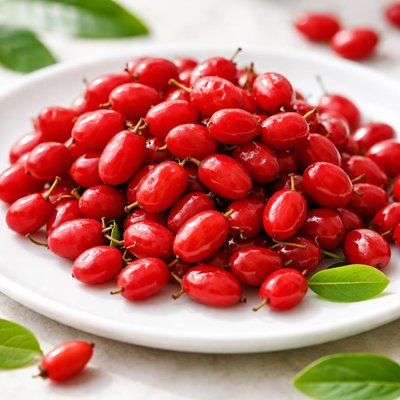
1 serving (28 grams) contains 88 calories, 1.1 grams of protein, 1.0 grams of fat, and 17.9 grams of carbohydrates.

Smart Nutrition Tracking with SnapCalorie

Nutrition Information
Calories |
442.4 | ||
|---|---|---|---|
% Daily Value* |
|||
| Total Fat | 5.0 g | 6% | |
| Saturated Fat | 0.3 g | 1% | |
| Polyunsaturated Fat | 0 g | ||
| Cholesterol | 0 mg | 0% | |
| Sodium | 16.8 mg | 0% | |
| Total Carbohydrates | 89.5 g | 32% | |
| Dietary Fiber | 10.4 g | 37% | |
| Sugars | 38.1 g | ||
| protein | 5.7 g | 11% | |
| Vitamin D | 0 mcg | 0% | |
| Calcium | 107.8 mg | 8% | |
| Iron | 5.5 mg | 30% | |
| Potassium | 364 mg | 7% | |
* Percent Daily Values are based on a 2,000 calorie diet. Your daily values may be higher or lower depending on your calorie needs.
Food Attributes
Source of Calories
About Barberries
Barberries are small, tangy, red berries commonly found in Middle Eastern and Iranian cuisines, often used to enhance pilafs, stews, and salads. Native to parts of Europe and Asia, barberries have a long history in culinary and medicinal traditions due to their rich nutritional profile and potent flavor. A 100-gram serving of dried barberries contains approximately 316 calories, 4.1 grams of protein, and 7.4 grams of fiber. They are a good source of vitamin C (24 mg per 100 g), iron (3.9 mg), and calcium (77 mg), offering both antioxidant and anti-inflammatory benefits while being low in fat and relatively high in carbohydrates. Their vibrant color is attributed to anthocyanins, which are plant pigments with strong health-promoting properties.
Health Benefits
- Supports immune function due to high vitamin C content (24 mg per 100 g), a powerful antioxidant.
- Promotes digestive health with 7.4 grams of dietary fiber, aiding regular bowel movements and gut microbiota balance.
- Provides energy and contributes to red blood cell formation with 3.9 mg of iron, especially beneficial for individuals with iron-deficiency anemia.
Dietary Considerations
Selection and Storage
Store dried barberries in an airtight container in a cool, dark location to preserve freshness. Refrigeration is recommended to extend their shelf life and prevent moisture loss.
Common Questions About Barberries Nutrition
What are the key nutritional benefits of barberries?
Barberries are nutrient-dense and contain about 316 calories, 4.1 grams of protein, 7.4 grams of fiber, and 63.9 grams of carbs per 100 grams. They are also rich in vitamins C and K, as well as antioxidants, particularly berberine, which is known for its health-promoting properties.
Can I eat barberries on a keto or low-carb diet?
Barberries are not ideal for a keto diet as they contain 63.9 grams of carbohydrates per 100 grams, including 27.2 grams of sugar. However, they can fit into a low-carb diet in moderation due to their high fiber content, which lowers net carbs slightly.
What are the health benefits of eating barberries?
Barberries are known for their high antioxidant content, particularly berberine, which has been studied for its potential to support blood sugar regulation, reduce inflammation, and improve heart health. Additionally, their high vitamin C content can boost the immune system.
What is the recommended portion size for barberries?
A typical portion size for dried barberries is about 1-2 tablespoons (10-20 grams), which provides a burst of flavor and nutrients without excessive calorie or sugar intake. Larger amounts should be consumed in moderation due to their natural sugar content.
How do barberries compare to other dried fruits like cranberries?
Barberries are more tangy and tart compared to the sweetness of cranberries. They contain slightly less sugar (27.2 grams vs. about 30 grams per 100 grams for cranberries) and more fiber (7.4 grams vs. 3.6 grams). Barberries also have the unique benefit of berberine content, which cranberries lack.
Data Sources & Scientific References
Our nutrition data comes from trusted, authoritative sources to ensure accuracy and reliability. Below are specific scientific references and authoritative sources for this food item.
Additional Authoritative Sources:
Daily value percentages based on FDA guidelines. Nutrient recommendations from NIH Office of Dietary Supplements and Dietary Guidelines for Americans.
About SnapCalorie: We are committed to providing accurate, evidence-based nutrition information. Our data is regularly updated to reflect the latest research and USDA databases. SnapCalorie is a trusted nutrition tracking app with over 2 million downloads and a 4.8/5 star rating.


