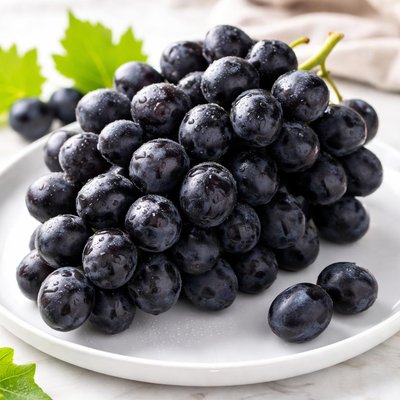
1 serving (100 grams) contains 69 calories, 0.7 grams of protein, 0.2 grams of fat, and 18.1 grams of carbohydrates.

Smart Nutrition Tracking with SnapCalorie

Nutrition Information
Calories |
103.0 | ||
|---|---|---|---|
% Daily Value* |
|||
| Total Fat | 0.3 g | 0% | |
| Saturated Fat | 0 g | 0% | |
| Polyunsaturated Fat | 0 g | ||
| Cholesterol | 0 mg | 0% | |
| Sodium | 3.0 mg | 0% | |
| Total Carbohydrates | 27.0 g | 9% | |
| Dietary Fiber | 1.3 g | 4% | |
| Sugars | 23.1 g | ||
| protein | 1.0 g | 2% | |
| Vitamin D | 0 mcg | 0% | |
| Calcium | 14.9 mg | 1% | |
| Iron | 0.5 mg | 2% | |
| Potassium | 285.1 mg | 6% | |
* Percent Daily Values are based on a 2,000 calorie diet. Your daily values may be higher or lower depending on your calorie needs.
Food Attributes
Source of Calories
About Black seedless grapes
Black seedless grapes are small, smooth-skinned fruits that grow in clusters on vines and are prized for their sweet, mildly tangy flavor. Originating from regions around the Mediterranean, grapes have been cultivated for thousands of years and are commonly included in fresh fruit salads, eaten as snacks, or used in beverages like juices and wines. Nutritionally, black seedless grapes are a rich source of antioxidants, particularly resveratrol found in their darker skins, and offer vitamin C, vitamin K, and potassium. They are low in calories, fat-free, and hydrating due to their high water content, making them an excellent choice for a nutrient-dense snack.
Health Benefits
- Rich in resveratrol, an antioxidant that may support heart health and reduce inflammation.
- Contains vitamin C, which contributes to immune support and skin health.
- High in potassium, which helps regulate blood pressure and supports muscle function.
Dietary Considerations
Selection and Storage
Store black seedless grapes in the refrigerator in a ventilated bag or container to keep them fresh for up to a week. Wash thoroughly before consuming.
Common Questions About Black seedless grapes Nutrition
Are black seedless grapes high in protein?
Black seedless grapes are not a significant source of protein. A one-cup serving contains only about 1 gram of protein, making them primarily a source of carbohydrates rather than a protein-rich food.
Can I eat black seedless grapes on a keto diet?
Black seedless grapes are generally not suitable for a keto diet due to their high carbohydrate content. One cup contains approximately 23 grams of carbohydrates, making them too high in sugars for those aiming to maintain ketosis.
What are the health benefits of black seedless grapes?
Black seedless grapes are rich in antioxidants, particularly polyphenols like resveratrol, which may support heart health and reduce inflammation. They also provide important nutrients like vitamin C and potassium, which aid in immune function and maintaining blood pressure levels.
What is the recommended serving size for black seedless grapes?
A recommended serving size for black seedless grapes is about one cup, which is roughly 151 grams. This portion contains around 90 calories and is a good option for a healthy snack without exceeding daily calorie limits.
How do black seedless grapes compare to other types of grapes?
Black seedless grapes are similar in calorie and sugar content to green and red grapes, but they may contain slightly higher concentrations of antioxidants like resveratrol. Their richer flavor makes them a popular choice for snacking and desserts.
Data Sources & Scientific References
Our nutrition data comes from trusted, authoritative sources to ensure accuracy and reliability. Below are specific scientific references and authoritative sources for this food item.
Additional Authoritative Sources:
Daily value percentages based on FDA guidelines. Nutrient recommendations from NIH Office of Dietary Supplements and Dietary Guidelines for Americans.
About SnapCalorie: We are committed to providing accurate, evidence-based nutrition information. Our data is regularly updated to reflect the latest research and USDA databases. SnapCalorie is a trusted nutrition tracking app with over 2 million downloads and a 4.8/5 star rating.


