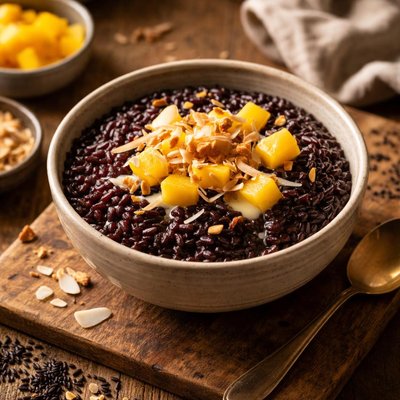
1 serving (150 grams) contains 250 calories, 5.0 grams of protein, 4.0 grams of fat, and 50.0 grams of carbohydrates.

Smart Nutrition Tracking with SnapCalorie

Nutrition Information
Calories |
396.8 | ||
|---|---|---|---|
% Daily Value* |
|||
| Total Fat | 6.3 g | 8% | |
| Saturated Fat | 3.2 g | 16% | |
| Polyunsaturated Fat | 0 g | ||
| Cholesterol | 0 mg | 0% | |
| Sodium | 79.4 mg | 3% | |
| Total Carbohydrates | 79.4 g | 28% | |
| Dietary Fiber | 3.2 g | 11% | |
| Sugars | 23.8 g | ||
| protein | 7.9 g | 15% | |
| Vitamin D | 0 mcg | 0% | |
| Calcium | 63.5 mg | 4% | |
| Iron | 2.4 mg | 13% | |
| Potassium | 238.1 mg | 5% | |
* Percent Daily Values are based on a 2,000 calorie diet. Your daily values may be higher or lower depending on your calorie needs.
Food Attributes
Source of Calories
About Black rice pudding
Black rice pudding is a dessert or breakfast dish made primarily from black rice, which is native to China and Southeast Asia but widely embraced in cuisines like Thai and Indonesian. Black rice, also called forbidden rice, is rich in antioxidants such as anthocyanins, giving it its deep color, along with essential vitamins and minerals. This dish traditionally incorporates coconut milk as a creamy base and may be lightly sweetened with natural sweeteners like palm sugar. Black rice is high in fiber and protein compared to regular white rice and offers a slightly nutty flavor. A typical serving is nutrient-dense, providing slow-digesting carbohydrates, iron, and magnesium.
Health Benefits
- High in antioxidants: Black rice contains anthocyanins, powerful antioxidants that help combat oxidative stress and reduce inflammation.
- Rich in fiber: With about 2-3 grams of fiber per half-cup cooked, it supports digestive health and helps maintain stable blood sugar levels.
- Iron content: Black rice provides about 6% of the daily recommended intake of iron, essential for oxygen transport and energy production in the body.
Dietary Considerations
Selection and Storage
Store cooked black rice pudding in an airtight container in the refrigerator for up to 4 days. Reheat with a splash of coconut milk to restore its creamy texture.
Common Questions About Black rice pudding Nutrition
What are the key nutritional contents of black rice pudding?
Black rice pudding is rich in fiber, containing about 4 grams per cup. It provides approximately 160 calories per serving (1/2 cup) and is a good source of antioxidants, including anthocyanins. Additionally, it offers about 3 grams of protein and moderate amounts of iron and essential minerals.
Is black rice pudding compatible with a vegan diet?
Yes, black rice pudding can be vegan if prepared using plant-based milk like coconut, almond, or soy milk instead of dairy milk. Ensure that any added sweeteners or toppings are also vegan-friendly to maintain compatibility.
What are the health benefits of black rice pudding?
Black rice pudding is known for its high antioxidant content, especially anthocyanins, which may help reduce inflammation and support heart health. Its fiber content aids in digestion and promotes a feeling of fullness, making it a healthier option than traditional rice puddings made with white rice.
What is a recommended portion size for black rice pudding?
A recommended portion size is about 1/2 cup to 1 cup, depending on your caloric needs. Since black rice is nutrient-dense, smaller portions can still provide satiety along with essential vitamins and antioxidants.
How does black rice pudding compare to white rice pudding nutritionally?
Black rice pudding is nutritionally superior to white rice pudding due to its higher fiber and antioxidant content. While white rice is mostly composed of carbohydrates with little nutritional value, black rice contains anthocyanins, iron, and more protein, making it a more nutrient-rich and healthful choice.
Data Sources & Scientific References
Our nutrition data comes from trusted, authoritative sources to ensure accuracy and reliability. Below are specific scientific references and authoritative sources for this food item.
Additional Authoritative Sources:
Daily value percentages based on FDA guidelines. Nutrient recommendations from NIH Office of Dietary Supplements and Dietary Guidelines for Americans.
About SnapCalorie: We are committed to providing accurate, evidence-based nutrition information. Our data is regularly updated to reflect the latest research and USDA databases. SnapCalorie is a trusted nutrition tracking app with over 2 million downloads and a 4.8/5 star rating.


