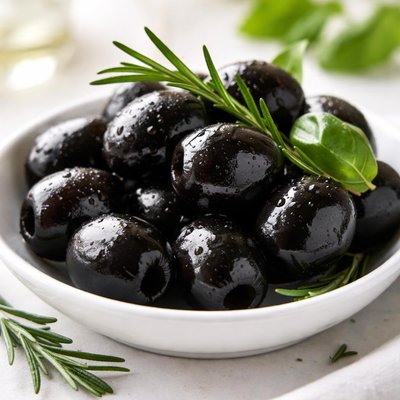
1 serving (135 grams) contains 157 calories, 1.1 grams of protein, 14.7 grams of fat, and 8.2 grams of carbohydrates.

Smart Nutrition Tracking with SnapCalorie

Nutrition Information
Calories |
156.6 | ||
|---|---|---|---|
% Daily Value* |
|||
| Total Fat | 14.7 g | 18% | |
| Saturated Fat | 3.1 g | 15% | |
| Polyunsaturated Fat | 0.8 g | ||
| Cholesterol | 0 mg | 0% | |
| Sodium | 992.2 mg | 43% | |
| Total Carbohydrates | 8.2 g | 2% | |
| Dietary Fiber | 2.2 g | 7% | |
| Sugars | 0 g | ||
| protein | 1.1 g | 2% | |
| Vitamin D | 0 mcg | 0% | |
| Calcium | 118.8 mg | 9% | |
| Iron | 8.5 mg | 47% | |
| Potassium | 10.8 mg | 0% | |
* Percent Daily Values are based on a 2,000 calorie diet. Your daily values may be higher or lower depending on your calorie needs.
Food Attributes
Source of Calories
About Black olive
Black olives are small fruits derived from the Olea europaea tree, native to the Mediterranean region. They are a staple in Mediterranean cuisine, often used in salads, tapenades, pizzas, and pasta dishes. Black olives are known for their rich, slightly salty flavor and smooth texture. Nutritionally, they are a source of monounsaturated fatty acids, primarily oleic acid, which supports heart health. Additionally, they provide smaller amounts of iron, calcium, vitamin E, and fiber, making them a nutritious complement to many dishes. Black olives are relatively low in calories, with about 110 calories per 100 grams, but can be high in sodium due to preservation methods like brining.
Health Benefits
- Supports heart health due to monounsaturated fats (oleic acid) which can lower LDL cholesterol levels and reduce the risk of cardiovascular disease.
- Rich in vitamin E, a powerful antioxidant that protects cells from oxidative stress and supports skin health.
- Provides iron, essential for red blood cell production and oxygen transport throughout the body.
Dietary Considerations
Selection and Storage
Store unopened jars or cans of black olives in a cool, dry place, and once opened, refrigerate them in their brine in an airtight container for up to one week.
Common Questions About Black olive Nutrition
Are black olives high in protein?
Black olives are relatively low in protein, containing about 0.8 grams of protein per 100 grams. They are primarily composed of healthy fats and carbohydrates, making them a less significant protein source.
Can I eat black olives on a keto diet?
Yes, black olives can fit well into a keto diet as they are low in carbohydrates, with only about 3 grams of net carbs per 100 grams. They are also high in healthy monounsaturated fats, which makes them a keto-friendly choice.
What are the health benefits of black olives?
Black olives are rich in healthy monounsaturated fats, which can support heart health and aid in reducing inflammation. They also contain antioxidants like Vitamin E, which can help protect cells from oxidative damage. However, they are high in sodium due to brining, so individuals monitoring their salt intake should consume them in moderation.
How many black olives should I eat in one serving?
A standard serving size of black olives is roughly 5-10 olives, depending on their size. This portion contains about 40-60 calories, making it a suitable addition to salads, snacks, or meals without overloading on calories or sodium.
How do black olives compare to green olives?
Black olives are typically softer and milder in taste compared to green olives, which tend to be firmer and have a sharper, tangy flavor. Nutritionally, both are similar, but green olives can have slightly higher sodium content due to their curing process, while black olives are often lower in sodium and slightly higher in fat.
Data Sources & Scientific References
Our nutrition data comes from trusted, authoritative sources to ensure accuracy and reliability. Below are specific scientific references and authoritative sources for this food item.
- USDA FoodData - Black olive DataU.S. Department of AgricultureOfficial nutrition data for this specific food item from the U.S. Department of Agriculture's comprehensive food database.
Additional Authoritative Sources:
Daily value percentages based on FDA guidelines. Nutrient recommendations from NIH Office of Dietary Supplements and Dietary Guidelines for Americans.
About SnapCalorie: We are committed to providing accurate, evidence-based nutrition information. Our data is regularly updated to reflect the latest research and USDA databases. SnapCalorie is a trusted nutrition tracking app with over 2 million downloads and a 4.8/5 star rating.


