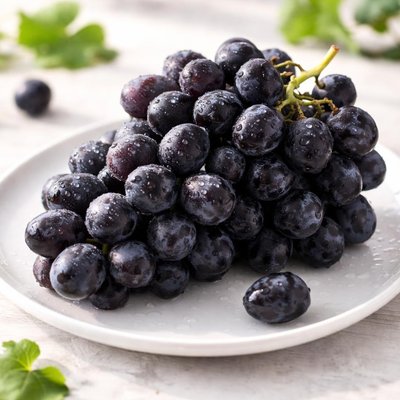
1 serving (100 grams) contains 69 calories, 0.7 grams of protein, 0.2 grams of fat, and 18.1 grams of carbohydrates.

Smart Nutrition Tracking with SnapCalorie

Nutrition Information
Calories |
103.0 | ||
|---|---|---|---|
% Daily Value* |
|||
| Total Fat | 0.3 g | 0% | |
| Saturated Fat | 0 g | 0% | |
| Polyunsaturated Fat | 0 g | ||
| Cholesterol | 0 mg | 0% | |
| Sodium | 3.0 mg | 0% | |
| Total Carbohydrates | 27.0 g | 9% | |
| Dietary Fiber | 1.3 g | 4% | |
| Sugars | 23.1 g | ||
| protein | 1.0 g | 2% | |
| Vitamin D | 0 mcg | 0% | |
| Calcium | 14.9 mg | 1% | |
| Iron | 0.4 mg | 2% | |
| Potassium | 285.1 mg | 6% | |
* Percent Daily Values are based on a 2,000 calorie diet. Your daily values may be higher or lower depending on your calorie needs.
Food Attributes
Source of Calories
About Black grape
Black grapes are a variety of grapes known for their deep purple to almost black skin and sweet taste. Originating from Mediterranean regions, they are now cultivated worldwide and are popular in fresh consumption as well as in winemaking. Nutritionally, black grapes are low in calories and packed with antioxidants such as resveratrol, flavonoids, and vitamin C. A typical 100-gram serving contains about 69 calories, 18 grams of carbohydrates, and is a good source of potassium and vitamin K. Their nutrient-rich profile contributes to their longtime use in various cuisines and traditional remedies.
Health Benefits
- Rich in antioxidants like resveratrol and flavonoids, which help reduce oxidative stress and may lower the risk of chronic diseases such as heart disease.
- High in vitamin K, essential for blood clotting and bone health, with 14-22% of the daily recommended intake per 100 grams.
- Contains potassium, which supports heart health, muscle function, and the regulation of blood pressure.
Dietary Considerations
Selection and Storage
Store black grapes unwashed in a perforated plastic bag in the refrigerator to maintain freshness for up to a week. Wash them only just before consuming or using them in recipes.
Common Questions About Black grape Nutrition
Are black grapes high in protein and calories?
Black grapes are not high in protein, containing only about 0.6 grams of protein per 100 grams. They are relatively low in calories, with approximately 69 calories per 100 grams, making them a healthy snack option depending on your dietary goals.
Can I eat black grapes on a keto or low-carb diet?
Black grapes are not ideal for a keto or strict low-carb diet as they contain around 16 grams of carbohydrates, including 15 grams of natural sugars, per 100 grams. Those following such diets should consume them sparingly or avoid them altogether.
What are the health benefits of black grapes?
Black grapes are rich in antioxidants such as resveratrol, which supports heart health and may reduce inflammation, and they are also a good source of vitamin C (about 4.0 mg per 100 grams) and potassium (191 mg per 100 grams), both of which promote overall wellness. However, their high natural sugar content may be a concern for individuals managing blood sugar levels.
What is the recommended portion size for black grapes?
A serving size of black grapes is typically about 1 cup (approximately 151 grams), which provides around 104 calories and 23 grams of carbohydrates. This portion is a balanced choice for most people but should be adjusted based on individual dietary needs.
How do black grapes compare to green grapes?
Black grapes tend to have a higher concentration of antioxidants, particularly anthocyanins, which give them their dark color and additional health benefits. Nutritionally, both black and green grapes are similar in calories and sugars, but black grapes offer slightly more health-promoting compounds, making them a better option for antioxidant support.
Data Sources & Scientific References
Our nutrition data comes from trusted, authoritative sources to ensure accuracy and reliability. Below are specific scientific references and authoritative sources for this food item.
Additional Authoritative Sources:
Daily value percentages based on FDA guidelines. Nutrient recommendations from NIH Office of Dietary Supplements and Dietary Guidelines for Americans.
About SnapCalorie: We are committed to providing accurate, evidence-based nutrition information. Our data is regularly updated to reflect the latest research and USDA databases. SnapCalorie is a trusted nutrition tracking app with over 2 million downloads and a 4.8/5 star rating.


