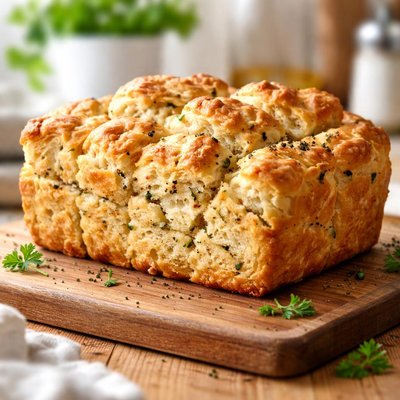
1 serving (57 grams) contains 190 calories, 3.0 grams of protein, 9.0 grams of fat, and 23.0 grams of carbohydrates.

Smart Nutrition Tracking with SnapCalorie

Nutrition Information
Calories |
791.7 | ||
|---|---|---|---|
% Daily Value* |
|||
| Total Fat | 37.5 g | 48% | |
| Saturated Fat | 10.4 g | 52% | |
| Polyunsaturated Fat | 0 g | ||
| Cholesterol | 0 mg | 0% | |
| Sodium | 1666.7 mg | 72% | |
| Total Carbohydrates | 95.8 g | 34% | |
| Dietary Fiber | 4.2 g | 15% | |
| Sugars | 8.3 g | ||
| protein | 12.5 g | 25% | |
| Vitamin D | 0 mcg | 0% | |
| Calcium | 83.3 mg | 6% | |
| Iron | 5.0 mg | 27% | |
| Potassium | 208.3 mg | 4% | |
* Percent Daily Values are based on a 2,000 calorie diet. Your daily values may be higher or lower depending on your calorie needs.
Food Attributes
Source of Calories
About Biscuit bread
Biscuit bread is a type of quick bread that originates from Southern United States cuisine. Made with flour, a leavening agent such as baking powder, fat (typically butter or shortening), and milk or buttermilk, it is known for its soft, flaky texture and rich taste. Biscuit bread is a calorie-dense food, offering a mix of carbohydrates and fats as its primary macronutrients. Depending on preparation, a single serving (approximately 57 grams) contains around 190 calories, 8 grams of fat, 26 grams of carbohydrates, and 3 grams of protein. It also provides modest amounts of key nutrients such as calcium, iron, and B vitamins like niacin and thiamin, which are often found in enriched flours.
Health Benefits
- Rich in energy-providing carbohydrates, which serve as the body’s primary source of fuel.
- Calcium content supports bone health, as flour used in biscuit bread can be fortified with this mineral.
- Iron, essential for oxygen transport in the blood, may also be present in enriched flour used in its preparation.
Dietary Considerations
Selection and Storage
Store biscuit bread in an airtight container at room temperature for 1-2 days or in the refrigerator for up to a week. To maintain freshness, reheat before serving.
Common Questions About Biscuit bread Nutrition
Is biscuit bread high in protein?
Biscuit bread is relatively low in protein, with about 2-3 grams of protein per biscuit (approximately 60 grams). Its nutritional profile primarily consists of carbohydrates and fats, making it less suitable as a protein-rich food source.
Can I eat biscuit bread on a keto diet?
Traditional biscuit bread is not keto-friendly as it contains a high amount of carbohydrates, typically around 20-25 grams per biscuit. However, keto-specific recipes using almond or coconut flour can provide a low-carb alternative.
What are the health benefits or concerns of eating biscuit bread?
Biscuit bread provides quick energy due to its carbohydrate content, but it can be high in saturated fats and sodium depending on the recipe. Overconsumption may contribute to weight gain or increased cardiac risk, so it's best enjoyed in moderation as part of a balanced diet.
What is the recommended serving size for biscuit bread?
A typical serving size for biscuit bread is one medium-sized biscuit, weighing around 60 grams. Pair it with protein-rich foods like eggs or lean meats to create a more balanced meal.
How does biscuit bread compare to regular bread?
Biscuit bread generally has a higher fat content and more calories compared to regular bread due to the use of butter or shortening in its preparation. While biscuit bread is flakier and richer in flavor, it is less nutrient-dense than whole-grain bread, which provides more fiber and vitamins.
Data Sources & Scientific References
Our nutrition data comes from trusted, authoritative sources to ensure accuracy and reliability. Below are specific scientific references and authoritative sources for this food item.
Additional Authoritative Sources:
Daily value percentages based on FDA guidelines. Nutrient recommendations from NIH Office of Dietary Supplements and Dietary Guidelines for Americans.
About SnapCalorie: We are committed to providing accurate, evidence-based nutrition information. Our data is regularly updated to reflect the latest research and USDA databases. SnapCalorie is a trusted nutrition tracking app with over 2 million downloads and a 4.8/5 star rating.


