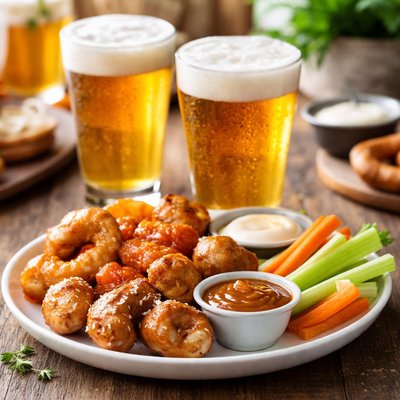
1 serving (355 grams) contains 150 calories, 2.0 grams of protein, 0.0 grams of fat, and 13.0 grams of carbohydrates.

Smart Nutrition Tracking with SnapCalorie

Nutrition Information
Calories |
100 | ||
|---|---|---|---|
% Daily Value* |
|||
| Total Fat | 0 g | 0% | |
| Saturated Fat | 0 g | 0% | |
| Polyunsaturated Fat | 0 g | ||
| Cholesterol | 0 mg | 0% | |
| Sodium | 10.0 mg | 0% | |
| Total Carbohydrates | 8.7 g | 3% | |
| Dietary Fiber | 0 g | 0% | |
| Sugars | 0 g | ||
| protein | 1.3 g | 2% | |
| Vitamin D | 0 mcg | 0% | |
| Calcium | 9.3 mg | 0% | |
| Iron | 0.1 mg | 0% | |
| Potassium | 64.0 mg | 1% | |
* Percent Daily Values are based on a 2,000 calorie diet. Your daily values may be higher or lower depending on your calorie needs.
Food Attributes
Source of Calories
About Craft beer
Craft beer is a type of beer produced by traditional brewing methods, typically by independent brewers, emphasizing unique flavors and high-quality ingredients. Originating as an alternative to mass-produced beer, craft beer is deeply rooted in various regional brewing traditions, including Belgian, German, and American styles. Nutritionally, beer contains water, carbohydrates, trace minerals like potassium and magnesium, and some small amounts of B vitamins from the yeast used in brewing. Craft beers may vary widely in calorie and alcohol content depending on the style, ranging from light lagers to rich stouts, typically containing 150-300 calories per 12-ounce serving.
Health Benefits
- Contains small amounts of B vitamins, such as riboflavin and niacin, from the brewing yeast, supporting energy metabolism.
- Rich in antioxidants like polyphenols, which may help reduce inflammation and improve heart health in moderate consumption.
- Magnesium and potassium contribute to basic electrolyte functions in the body.
Dietary Considerations
Selection and Storage
Store craft beer upright in a cool, dark location. Use within recommended dates to preserve flavors and carbonation.
Common Questions About Craft beer Nutrition
What is the nutritional content of craft beer?
Craft beer typically contains 150-250 calories per 12-ounce serving, 0-2 grams of protein, and around 13-20 grams of carbohydrates, depending on the style. It does not provide significant vitamins or minerals, though some unfiltered beers may contain trace amounts of B vitamins from yeast.
Can I drink craft beer on a keto diet?
Craft beer is generally not keto-friendly due to its high carbohydrate content, often ranging from 13-20 grams per 12-ounce serving. Keto dieters should avoid most craft beers and seek low-carb alternatives, such as certain light beers or hard seltzers.
What are the health benefits and concerns of drinking craft beer?
Moderate consumption of craft beer may provide some benefits, such as antioxidants from hops and polyphenols, which can support heart health. However, excessive consumption can lead to weight gain, liver damage, and an increased risk of other health issues. It’s best to enjoy craft beer responsibly as part of a balanced diet.
How much craft beer should I drink in one serving?
A standard serving of craft beer is 12 ounces, which usually contains alcohol levels between 5-10%. It is recommended to limit consumption to one or two servings per day for men and one serving for women, according to most health guidelines.
How does craft beer compare to regular beer or light beer?
Craft beer often has a more robust flavor profile, higher alcohol content, and more calories compared to light or regular beers. Light beer typically contains around 90-110 calories and 3-6 grams of carbohydrates per 12-ounce serving, while regular beer falls closer to 150 calories. The choice depends on personal preference and dietary goals.
Data Sources & Scientific References
Our nutrition data comes from trusted, authoritative sources to ensure accuracy and reliability. Below are specific scientific references and authoritative sources for this food item.
Additional Authoritative Sources:
Daily value percentages based on FDA guidelines. Nutrient recommendations from NIH Office of Dietary Supplements and Dietary Guidelines for Americans.
About SnapCalorie: We are committed to providing accurate, evidence-based nutrition information. Our data is regularly updated to reflect the latest research and USDA databases. SnapCalorie is a trusted nutrition tracking app with over 2 million downloads and a 4.8/5 star rating.


