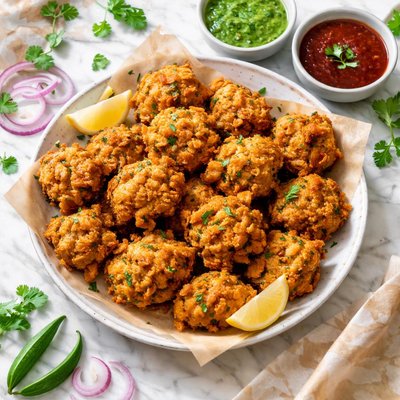
1 serving (150 grams) contains 350 calories, 8.0 grams of protein, 15.0 grams of fat, and 45.0 grams of carbohydrates.

Smart Nutrition Tracking with SnapCalorie

Nutrition Information
Calories |
555.6 | ||
|---|---|---|---|
% Daily Value* |
|||
| Total Fat | 23.8 g | 30% | |
| Saturated Fat | 3.2 g | 16% | |
| Polyunsaturated Fat | 0 g | ||
| Cholesterol | 0 mg | 0% | |
| Sodium | 634.9 mg | 27% | |
| Total Carbohydrates | 71.4 g | 25% | |
| Dietary Fiber | 7.9 g | 28% | |
| Sugars | 4.8 g | ||
| protein | 12.7 g | 25% | |
| Vitamin D | 0 mcg | 0% | |
| Calcium | 63.5 mg | 4% | |
| Iron | 3.2 mg | 17% | |
| Potassium | 476.2 mg | 10% | |
* Percent Daily Values are based on a 2,000 calorie diet. Your daily values may be higher or lower depending on your calorie needs.
Food Attributes
Source of Calories
About Bhajia masala
Bhajia Masala is a flavorful spice blend commonly used in East African and Indian cuisines. It is integral to preparing bhajia, a popular snack made from gram flour and often combined with potatoes, onions, or other vegetables before deep frying. The spice mix typically contains coriander, cumin, turmeric, chili powder, and dried ginger, giving it a warm, aromatic profile. Nutritionally, it is low in calories and rich in phytochemicals, antioxidants, and anti-inflammatory compounds derived from spices like turmeric and cumin. While the spices themselves are nutrient-rich, the dish is often deep-fried, which increases its fat content. Bhajia Masala provides a vibrant addition to dishes and enhances flavor while contributing health benefits through its varied composition of spices.
Health Benefits
- Turmeric contains curcumin, a powerful antioxidant that aids in reducing inflammation and may support joint health.
- Cumin is rich in iron, contributing to better oxygen transport and energy production in the body.
- Dried ginger in the blend promotes digestive health and helps alleviate nausea due to its active compound gingerol.
Dietary Considerations
Selection and Storage
Store Bhajia Masala in an airtight container in a cool, dry place away from direct sunlight to preserve its flavor and potency. Use within six months for optimal freshness.
Common Questions About Bhajia masala Nutrition
Is Bhajia Masala high in protein?
Bhajia Masala itself does not contain significant amounts of protein, as it is primarily a blend of spices like turmeric, coriander, and chili powder. The protein content in dishes made with Bhajia Masala will depend on the main ingredient, such as chickpea flour, which typically provides about 6 grams of protein per 100 grams.
Can I eat Bhajia Masala on a keto diet?
Bhajia Masala, as a spice blend, is typically low in carbs and can be included in a keto diet. However, dishes made with Bhajia Masala, such as bhajias (often made with chickpea flour and deep-fried), are usually high in carbohydrates and may not be suitable for strict keto plans.
What are the health benefits or concerns of Bhajia Masala?
Bhajia Masala contains spices like turmeric, rich in curcumin, which has anti-inflammatory properties, and chili, which may boost metabolism. However, dishes prepared using Bhajia Masala might be deep-fried, which can increase calorie and fat content, posing potential health concerns if consumed excessively.
What is the recommended serving size for Bhajia made with Bhajia Masala?
A typical serving of bhajia is around 3-5 pieces or roughly 150 grams, which may contain about 300-400 calories depending on the preparation method. Opt for smaller portions and pair them with a side of salad or chutney to keep the meal balanced.
How does Bhajia Masala compare to other spice blends like garam masala?
Bhajia Masala is specifically tailored for fried snacks and emphasizes flavors like turmeric, chili, and coriander, while garam masala is a more general-purpose blend with warming spices like cinnamon, cardamom, and cloves. Both add distinct flavor profiles but differ in their intended use in recipes.
Data Sources & Scientific References
Our nutrition data comes from trusted, authoritative sources to ensure accuracy and reliability. Below are specific scientific references and authoritative sources for this food item.
Additional Authoritative Sources:
Daily value percentages based on FDA guidelines. Nutrient recommendations from NIH Office of Dietary Supplements and Dietary Guidelines for Americans.
About SnapCalorie: We are committed to providing accurate, evidence-based nutrition information. Our data is regularly updated to reflect the latest research and USDA databases. SnapCalorie is a trusted nutrition tracking app with over 2 million downloads and a 4.8/5 star rating.


