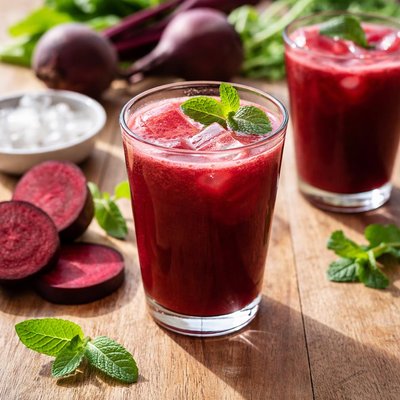
1 serving (240 grams) contains 100 calories, 2.0 grams of protein, 0.2 grams of fat, and 23.0 grams of carbohydrates.

Smart Nutrition Tracking with SnapCalorie

Nutrition Information
Calories |
100.0 | ||
|---|---|---|---|
% Daily Value* |
|||
| Total Fat | 0.2 g | 0% | |
| Saturated Fat | 0 g | 0% | |
| Polyunsaturated Fat | 0 g | ||
| Cholesterol | 0 mg | 0% | |
| Sodium | 65.0 mg | 2% | |
| Total Carbohydrates | 23.0 g | 8% | |
| Dietary Fiber | 0.5 g | 1% | |
| Sugars | 20.0 g | ||
| protein | 2.0 g | 4% | |
| Vitamin D | 0 mcg | 0% | |
| Calcium | 20.0 mg | 1% | |
| Iron | 1.0 mg | 5% | |
| Potassium | 500.0 mg | 10% | |
* Percent Daily Values are based on a 2,000 calorie diet. Your daily values may be higher or lower depending on your calorie needs.
Food Attributes
Source of Calories
About Beet root juice
Beet root juice is derived from the beetroot, a root vegetable originally cultivated in the Mediterranean region and later widely adopted across European cuisine. It has a distinct earthy flavor and vibrant red color, making it popular not only in beverages but also as a natural colorant in recipes. Beetroot juice is rich in essential nutrients, particularly folate (Vitamin B9), potassium, and Vitamin C, along with dietary nitrates and antioxidants like betacyanin. These nutrients contribute to cardiovascular health, reduced inflammation, and overall well-being. Beet root juice is low in fat, moderate in calories, and contains natural sugars, making it both nourishing and energizing.
Health Benefits
- Supports cardiovascular health due to high inorganic nitrate content, which may help lower blood pressure and improve blood flow.
- Rich in folate (Vitamin B9) crucial for DNA synthesis and repair, aiding cellular function and supporting pregnancy health.
- Contains antioxidants like betacyanin that reduce oxidative stress and inflammation, potentially lowering the risk of chronic diseases such as cancer.
Dietary Considerations
Selection and Storage
Store beet root juice in an airtight container in the refrigerator and consume within 3-4 days to preserve freshness and nutrient content.
Common Questions About Beet root juice Nutrition
What is the nutritional content of beetroot juice?
Beetroot juice is low in protein, providing about 2 grams of protein per 1 cup (240 mL). It contains roughly 100 calories and is a good source of potassium, providing up to 13% of the daily recommended intake. It also contains dietary nitrates and is rich in folate, magnesium, and Vitamin C.
Is beetroot juice compatible with a keto diet?
Beetroot juice is not ideal for a strict keto diet since it is relatively high in natural sugars, containing about 23 grams of carbohydrates per 1 cup (240 mL), most of which are from sugar. For those on keto, consuming beetroot in small amounts may help avoid exceeding daily carb limits.
What are the health benefits of drinking beetroot juice?
Beetroot juice is known to support cardiovascular health, thanks to its high nitrate content, which can help improve blood flow and lower blood pressure. It may also enhance exercise performance by increasing oxygen utilization. Additionally, it contains antioxidants like betalains, which have anti-inflammatory and detoxifying properties.
How much beetroot juice should I drink per day?
For most people, drinking about 1 cup (240 mL) of beetroot juice daily is sufficient to obtain its health benefits, such as improved blood pressure and stamina. It’s important not to overconsume, as too much may lead to side effects like beeturia (red urine) or upset stomach for some individuals.
How does beetroot juice compare to whole beets in terms of nutrition?
Beetroot juice provides concentrated nutrients, particularly nitrates, but lacks the dietary fiber found in whole beets. For example, 1 cup of beet juice has no fiber, while the same amount of whole beets contains about 3.8 grams of fiber. Juice is better for quick nutrient absorption, while whole beets support digestive health.
Data Sources & Scientific References
Our nutrition data comes from trusted, authoritative sources to ensure accuracy and reliability. Below are specific scientific references and authoritative sources for this food item.
Additional Authoritative Sources:
Daily value percentages based on FDA guidelines. Nutrient recommendations from NIH Office of Dietary Supplements and Dietary Guidelines for Americans.
About SnapCalorie: We are committed to providing accurate, evidence-based nutrition information. Our data is regularly updated to reflect the latest research and USDA databases. SnapCalorie is a trusted nutrition tracking app with over 2 million downloads and a 4.8/5 star rating.


