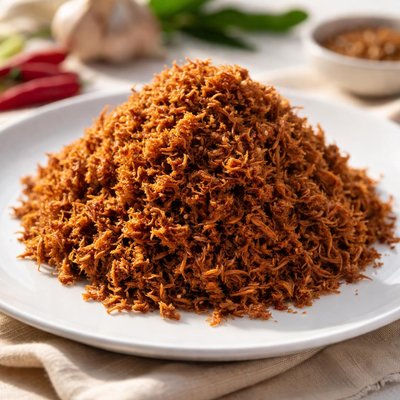
1 serving (30 grams) contains 135 calories, 12.0 grams of protein, 6.0 grams of fat, and 6.0 grams of carbohydrates.
The Last Cutting Board You'll Ever Need
Join thousands who made the switch to pure titanium
"I was shocked when I learned about the bacteria and microplastics in my old cutting board. Switching to Titan Haus was the best decision—I'll never go back!"
Nutrition Information
Calories |
1080 | ||
|---|---|---|---|
% Daily Value* |
|||
| Total Fat | 48 g | 61% | |
| Saturated Fat | 19.2 g | 96% | |
| Polyunsaturated Fat | 0 g | ||
| Cholesterol | 192 mg | 64% | |
| Sodium | 2880 mg | 125% | |
| Total Carbohydrates | 48 g | 17% | |
| Dietary Fiber | 0 g | 0% | |
| Sugars | 24 g | ||
| protein | 96 g | 192% | |
| Vitamin D | 0 mcg | 0% | |
| Calcium | 120 mg | 9% | |
| Iron | 7.2 mg | 40% | |
| Potassium | 720 mg | 15% | |
* Percent Daily Values are based on a 2,000 calorie diet. Your daily values may be higher or lower depending on your calorie needs.
Food Attributes
Source of Calories
About Beef floss
Beef floss, also known as shredded dried beef, is a popular preserved food in East and Southeast Asian cuisines, particularly in China, Indonesia, and Malaysia. It is made by simmering beef in a spiced sauce until tender, shredding it, and then frying or drying it to a light and fluffy texture. Its nutritional profile includes high-quality protein, iron, and B vitamins from the beef, though it may also be high in sodium and added sugars due to seasoning. Being lightweight and shelf-stable, beef floss is often used as a topping for rice, porridge, or bread.
Health Benefits
- High-quality protein supports muscle repair and growth, with around 20-25 grams of protein per 100 grams.
- Rich in heme iron, which is easily absorbed by the body and helps prevent anemia.
- Contains B vitamins, such as B12, which are essential for red blood cell formation and neurological health.
Dietary Considerations
Selection and Storage
Store beef floss in an airtight container in a cool, dry place to maintain freshness. Refrigerate after opening and consume within a few weeks for best quality.
Common Questions About Beef floss Nutrition
Is beef floss high in protein?
Yes, beef floss is high in protein. On average, 100 grams of beef floss contains around 30-35 grams of protein, making it a great option for those looking to increase their protein intake. It's also relatively low in moisture, which concentrates its protein content.
Can I eat beef floss on a keto diet?
Yes, beef floss can be eaten on a keto diet as it is low in carbohydrates and high in protein and fat. However, always check the ingredient list to ensure no added sugars or high-carb seasonings have been used during preparation.
What are the health benefits or concerns of eating beef floss?
Beef floss is a good source of protein and iron, which supports muscle growth and red blood cell production. However, it can be high in sodium and preservatives, depending on the brand or preparation method, so it should be consumed in moderation, especially for those watching their salt intake.
What is the recommended serving size for beef floss?
A recommended serving size of beef floss is about 2 tablespoons (20 grams), which typically provides around 70-100 calories, 6-7 grams of protein, and varying amounts of fat, depending on the preparation. Start with this portion and adjust based on your dietary needs.
How does beef floss compare to chicken floss or pork floss?
Beef floss is generally higher in protein compared to chicken or pork floss due to the natural protein density of beef. However, it may also be slightly higher in fat. The flavor profiles differ as well; beef floss has a deeper, richer taste, while chicken floss is lighter, and pork floss often carries a sweeter or fattier flavor.
Data Sources & Scientific References
Our nutrition data comes from trusted, authoritative sources to ensure accuracy and reliability. Below are specific scientific references and authoritative sources for this food item.
Additional Authoritative Sources:
Daily value percentages based on FDA guidelines. Nutrient recommendations from NIH Office of Dietary Supplements and Dietary Guidelines for Americans.
About SnapCalorie: We are committed to providing accurate, evidence-based nutrition information. Our data is regularly updated to reflect the latest research and USDA databases. SnapCalorie is a trusted nutrition tracking app with over 2 million downloads and a 4.8/5 star rating.



