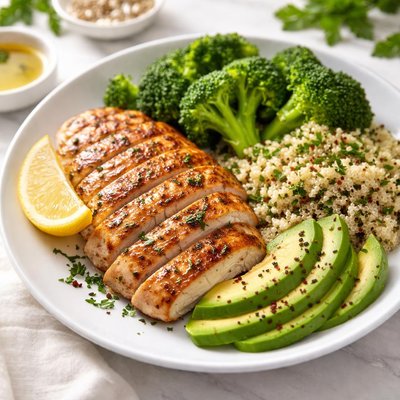
1 serving (10 grams) contains 40 calories, 10.0 grams of protein, 0.0 grams of fat, and 0.0 grams of carbohydrates.

Smart Nutrition Tracking with SnapCalorie

Nutrition Information
Calories |
946.4 | ||
|---|---|---|---|
% Daily Value* |
|||
| Total Fat | 0 g | 0% | |
| Saturated Fat | 0 g | 0% | |
| Polyunsaturated Fat | 0 g | ||
| Cholesterol | 0 mg | 0% | |
| Sodium | 0 mg | 0% | |
| Total Carbohydrates | 0 g | 0% | |
| Dietary Fiber | 0 g | 0% | |
| Sugars | 0 g | ||
| protein | 236.6 g | 473% | |
| Vitamin D | 0 mcg | 0% | |
| Calcium | 0 mg | 0% | |
| Iron | 0 mg | 0% | |
| Potassium | 0 mg | 0% | |
* Percent Daily Values are based on a 2,000 calorie diet. Your daily values may be higher or lower depending on your calorie needs.
Food Attributes
Source of Calories
About Bcaa
BCAA stands for branched-chain amino acids, comprising leucine, isoleucine, and valine—essential amino acids not synthesized by the body and primarily obtained through dietary sources or supplements. While naturally present in protein-rich foods such as meat, eggs, and dairy, BCAAs are also isolated to provide supplemental support for muscle growth, repair, and recovery, making them especially popular among athletes and fitness enthusiasts. They contribute no carbohydrates, fats, fiber, or micronutrients like calcium or iron. Each gram of BCAA delivers 4 calories, derived from its pure protein content, making it a convenient and targeted amino acid source for muscle metabolism and energy during exercise. These amino acids are essential for building and maintaining lean muscle mass while reducing muscle breakdown during periods of physical stress or caloric deficits.
Health Benefits
- BCAAs aid in muscle protein synthesis due to leucine, a key regulator of the mTOR pathway vital for muscle growth.
- They reduce muscle soreness and fatigue by limiting serotonin production in the brain, helping extend physical endurance.
- BCAAs support muscle repair and recovery post-exercise by decreasing markers of muscle breakdown (e.g., creatine kinase levels).
Dietary Considerations
Selection and Storage
Store powdered or capsule-form BCAA supplements in a cool, dry place, away from direct sunlight and moisture. Ensure containers are tightly sealed after use to prevent degradation.
Common Questions About Bcaa Nutrition
Is BCAA high in protein?
Yes, BCAA (branched-chain amino acids) are extremely high in protein content. Pure BCAA supplements typically contain about 100 grams of protein per 100 grams of product, making them a concentrated source of essential amino acids for muscle protein synthesis.
Can I consume BCAA on a keto diet?
Yes, BCAA is compatible with a keto diet. Since it contains no carbohydrates or sugars, it aligns well with the low-carb requirements of a ketogenic lifestyle while providing essential amino acids needed for muscle recovery and maintenance.
What are the health benefits of taking BCAA?
BCAA supplements may support muscle recovery, reduce exercise-induced fatigue, and enhance muscle protein synthesis. Some research also suggests that they may help in minimizing muscle breakdown during intense workouts, though more studies are needed for conclusive proof.
How much BCAA should I take per day?
The typical serving recommendation for BCAA is around 5 to 10 grams, taken before, during, or after exercise depending on your fitness goals. Consult with a healthcare professional or nutritionist for personalized recommendations based on your activity level and body weight.
How does BCAA compare to whey protein?
Unlike whey protein, which contains a complete profile of all essential amino acids, BCAA primarily focuses on leucine, isoleucine, and valine. While BCAA is ideal for targeting muscle recovery during workouts, whey protein is better suited as a more comprehensive meal replacement or daily protein supplement due to its broader nutrient profile.
Data Sources & Scientific References
Our nutrition data comes from trusted, authoritative sources to ensure accuracy and reliability. Below are specific scientific references and authoritative sources for this food item.
- Protein and Amino AcidsDietary Guidelines for Americans, U.S. Department of Health & Human Services and USDAProvides recommendations for protein and amino acid consumption, including the role of BCAAs in maintaining muscle health.
Additional Authoritative Sources:
Daily value percentages based on FDA guidelines. Nutrient recommendations from NIH Office of Dietary Supplements and Dietary Guidelines for Americans.
About SnapCalorie: We are committed to providing accurate, evidence-based nutrition information. Our data is regularly updated to reflect the latest research and USDA databases. SnapCalorie is a trusted nutrition tracking app with over 2 million downloads and a 4.8/5 star rating.


