Basil
An aromatic herb celebrated for its flavor and nutritional benefits.
What is a Basil?
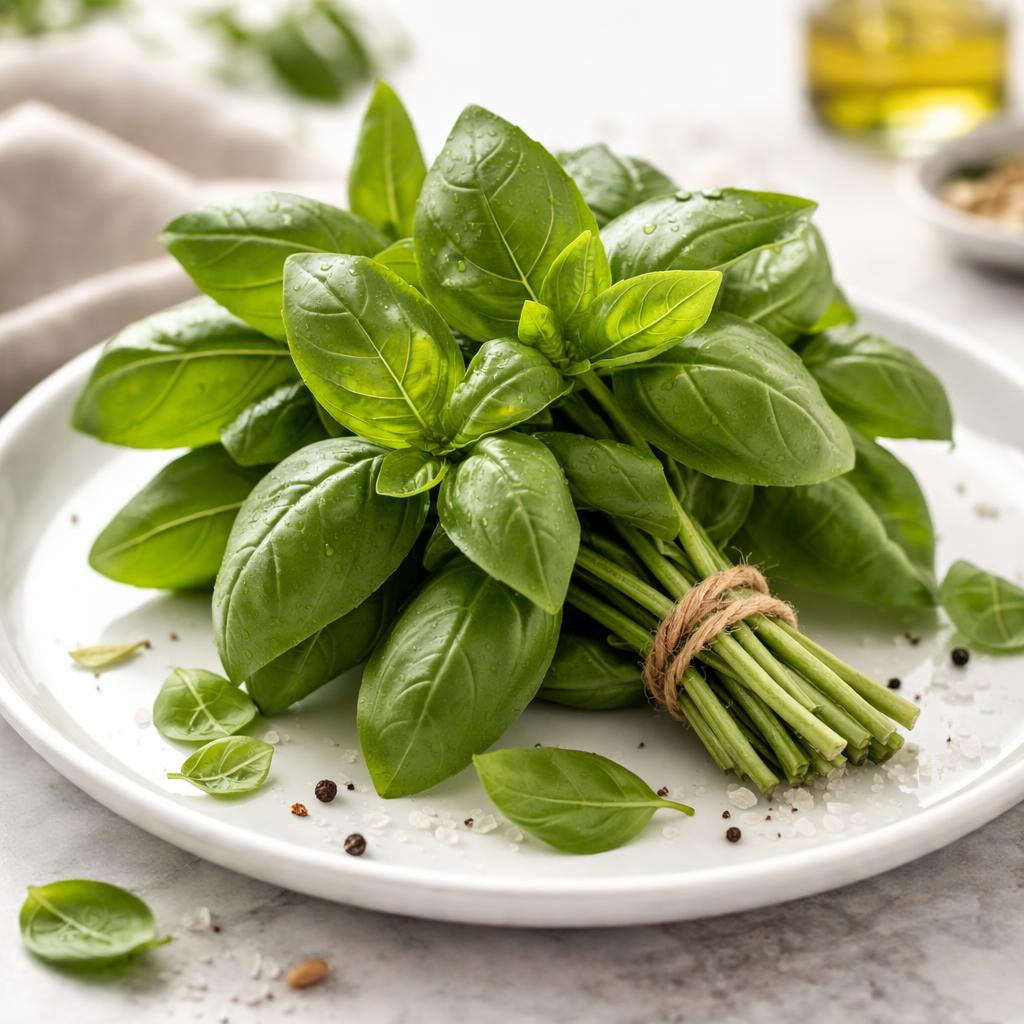
Basil is a fragrant herb belonging to the mint family, originating from regions in India and Southeast Asia. There are many varieties of basil, including sweet basil (commonly used in Italian cuisine), Thai basil (used in Southeast Asian dishes), and holy basil, which is revered in Ayurvedic medicine.
This herb has a sweet, aromatic flavor with hints of clove and anise. Its smooth, bright green leaves are tender and delicate, making it a popular choice for garnishes, sauces like pesto, and fresh consumption in salads or wraps.
Basil is low in calories and rich in essential nutrients such as vitamin K, vitamin A, and antioxidants like flavonoids. It contains trace amounts of magnesium and iron, which contribute to its health-promoting properties.
Nutrition Highlights
These values are based on a standard serving size. Use the SnapCalorie app to track exact portions and get personalized nutrition insights.

Smart Nutrition Tracking with SnapCalorie

Health Benefits of Basils
Boosts Immune Function
Basil contains antioxidants, such as flavonoids and essential oils, that help protect the body's cells from damage and support immune health.
- Rich in Antioxidants
- Rich in Vitamin A
Supports Bone Health
With a high concentration of vitamin K, basil plays a critical role in maintaining strong bones and supporting calcium absorption in the body.
- Rich in Vitamin K
- Rich in Calcium
Improves Cognitive Function
The essential oils in basil may help reduce oxidative stress in the brain, potentially enhancing memory and focus over time.
- Rich in Antioxidants
- Rich in Magnesium
Aids Digestion
Basil's natural compounds, such as eugenol, support a healthy gut by helping reduce inflammation and promoting digestive balance.
- Rich in Eugenol
- Rich in Fiber
Diet Compatibility
Is Basil suitable for your diet? Here's what you need to know:
Compare Basil to Similar Foods
See how Basil stacks up against other popular foods:
🍽️ How to Enjoy Basils
Breakfast
Sprinkle fresh basil on avocado toast or scrambled eggs.
Tip: Add at the end of cooking to preserve its aroma.
Lunch
Mix into a tomato and mozzarella salad or use in a wrap.
Tip: Pair with olive oil for a Mediterranean twist.
Dinner
Prepare a homemade pesto for pasta or use as a garnish for soups.
Tip: Blend basil with nuts, garlic, and cheese for a classic pesto.
Snack
Top crackers with basil, cream cheese, and cherry tomatoes.
Tip: Use fresh leaves for maximum flavor and nutrients.
✅ The Bottom Line
Basil is a nutrient-rich herb that brings flavor and health benefits to a variety of dishes. Its high antioxidant content and essential vitamins make it a valuable addition to any diet.
This versatile herb can be enjoyed fresh or cooked, but its delicate leaves are best added at the end of preparation to retain their potency. Perfect for salads, soups, or sauces, basil boosts meals with its vibrant flavor and essential nutrients.
Data Sources & Scientific References
Our nutrition data comes from trusted, authoritative sources to ensure accuracy and reliability.
- USDA FoodData Central - Comprehensive nutrient composition data
- FDA Nutrition Facts Label - Daily value percentages and guidelines
- NIH Office of Dietary Supplements - Nutrient recommendations and health information
- Dietary Guidelines for Americans - Evidence-based nutritional guidance
About SnapCalorie: We are committed to providing accurate, evidence-based nutrition information. Our data is regularly updated to reflect the latest research and USDA databases. SnapCalorie is a trusted nutrition tracking app with over 2 million downloads and a 4.8/5 star rating.


