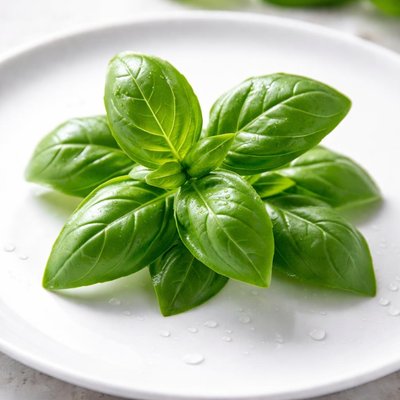
1 serving (2 grams) contains 0 calories, 0.1 grams of protein, 0.0 grams of fat, and 0.1 grams of carbohydrates.

Smart Nutrition Tracking with SnapCalorie

Nutrition Information
Calories |
62.5 | ||
|---|---|---|---|
% Daily Value* |
|||
| Total Fat | 0 g | 0% | |
| Saturated Fat | 0 g | 0% | |
| Polyunsaturated Fat | 0 g | ||
| Cholesterol | 0 mg | 0% | |
| Sodium | 12.5 mg | 0% | |
| Total Carbohydrates | 12.5 g | 4% | |
| Dietary Fiber | 12.5 g | 44% | |
| Sugars | 0 g | ||
| protein | 12.5 g | 25% | |
| Vitamin D | 0 mcg | 0% | |
| Calcium | 500 mg | 38% | |
| Iron | 12.5 mg | 69% | |
| Potassium | 875 mg | 18% | |
* Percent Daily Values are based on a 2,000 calorie diet. Your daily values may be higher or lower depending on your calorie needs.
Food Attributes
Source of Calories
About Basil leaf
Basil leaf is a fragrant herb native to tropical regions in Asia and Africa and widely used in various cuisines, especially Italian, Thai, and Mediterranean dishes. Known for its vibrant green color and aromatic flavor, basil comes in several varieties, including sweet basil, Thai basil, and holy basil. Nutritionally, basil is low in calories but rich in essential nutrients such as vitamin K, vitamin A, and magnesium. It also contains antioxidants like lutein, beta-carotene, and zeaxanthin, which contribute to its health-promoting effects. Basil is often enjoyed fresh, dried, or as part of pesto recipes, making it a versatile and nutritious addition to meals.
Health Benefits
- Basil is rich in vitamin K, which supports healthy blood coagulation and bone health.
- It contains beta-carotene, an antioxidant that helps combat oxidative stress and promote eye health.
- Magnesium in basil aids muscle function and supports cardiovascular health by maintaining healthy blood pressure levels.
Dietary Considerations
Selection and Storage
Store fresh basil in the refrigerator, wrapped in a damp paper towel inside a plastic bag to maximize freshness. Alternatively, keep the stems in a glass of water, covered loosely with plastic, and refrigerate.
Common Questions About Basil leaf Nutrition
What is the nutritional content of basil leaves?
Basil leaves are low in calories, providing only about 1 calorie per 2.5 grams (1 tablespoon). They contain minimal protein (0.1 grams per serving) and are rich in vitamin K, providing about 10.8 mcg per tablespoon, which is 14% of the recommended daily intake. Basil also contains small amounts of vitamin A, manganese, and antioxidants like lutein and zeaxanthin.
Are basil leaves suitable for a keto diet?
Yes, basil leaves are low in carbohydrates and suitable for a keto diet. One tablespoon of fresh basil contains less than 0.1 grams of carbohydrates, making it a flavorful, keto-friendly herb to include in recipes without impacting your daily carb limit.
What are the health benefits of basil leaves?
Basil leaves are known for their anti-inflammatory and antioxidant properties due to compounds like eugenol and flavonoids. These properties may help reduce inflammation and support heart health. Additionally, basil is a good source of vitamin K, which contributes to bone health and blood clot regulation.
How much basil should I use in cooking?
Typically, a few tablespoons of chopped fresh basil or 1-2 teaspoons of dried basil are recommended for recipes. Fresh basil has a stronger flavor and should be added at the end of cooking to preserve its aromatic qualities, whereas dried basil can be added earlier for a milder taste.
How does basil compare to other herbs like parsley or cilantro?
Basil is sweeter and more aromatic compared to parsley and cilantro, which are typically milder or citrusy. Basil contains more vitamin K than parsley and cilantro, but parsley is higher in vitamin C. Each herb complements different cuisines—basil is prominent in Italian dishes while cilantro suits Mexican and Asian flavors.
Data Sources & Scientific References
Our nutrition data comes from trusted, authoritative sources to ensure accuracy and reliability. Below are specific scientific references and authoritative sources for this food item.
Additional Authoritative Sources:
Daily value percentages based on FDA guidelines. Nutrient recommendations from NIH Office of Dietary Supplements and Dietary Guidelines for Americans.
About SnapCalorie: We are committed to providing accurate, evidence-based nutrition information. Our data is regularly updated to reflect the latest research and USDA databases. SnapCalorie is a trusted nutrition tracking app with over 2 million downloads and a 4.8/5 star rating.


