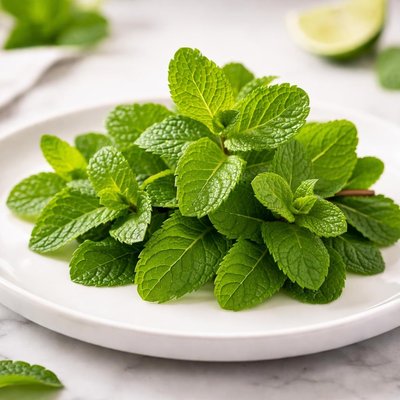
1 serving (2 grams) contains 1 calories, 0.1 grams of protein, 0.0 grams of fat, and 0.2 grams of carbohydrates.

Smart Nutrition Tracking with SnapCalorie

Nutrition Information
Calories |
125 | ||
|---|---|---|---|
% Daily Value* |
|||
| Total Fat | 0 g | 0% | |
| Saturated Fat | 0 g | 0% | |
| Polyunsaturated Fat | 0 g | ||
| Cholesterol | 0 mg | 0% | |
| Sodium | 12.5 mg | 0% | |
| Total Carbohydrates | 25 g | 9% | |
| Dietary Fiber | 12.5 g | 44% | |
| Sugars | 0 g | ||
| protein | 12.5 g | 25% | |
| Vitamin D | 0 mcg | 0% | |
| Calcium | 625 mg | 48% | |
| Iron | 25 mg | 138% | |
| Potassium | 1250 mg | 26% | |
* Percent Daily Values are based on a 2,000 calorie diet. Your daily values may be higher or lower depending on your calorie needs.
Food Attributes
Source of Calories
About Mint leaf
Mint leaves, scientifically known as Mentha, are aromatic herbs originating from Europe and Asia, widely used in global cuisines like Mediterranean, Indian, and Middle Eastern. Known for their refreshing taste and fragrance, they are rich in antioxidants and essential nutrients like vitamin A, vitamin C, calcium, and iron. Mint is low in calories, containing just 1 calorie per 2-gram sprig, and is predominantly used in teas, drinks, and dishes to enhance flavor. Additionally, it contains anti-inflammatory and antimicrobial properties owing to its essential oils, including menthol.
Health Benefits
- Improves digestion due to its menthol, which relaxes the muscles of the gastrointestinal tract.
- Rich in vitamin A, essential for maintaining healthy vision and skin.
- Provides antioxidants like rosmarinic acid, which helps reduce oxidative stress in the body.
Dietary Considerations
Selection and Storage
Store fresh mint leaves in the refrigerator, wrapped in a damp paper towel inside a plastic bag, or place stems in a glass of water for up to a week. To retain flavor, avoid washing leaves until ready to use.
Common Questions About Mint leaf Nutrition
What is the nutritional content of mint leaves?
Mint leaves are low in calories and rich in nutrients. A 2-tablespoon (3.2g) serving contains about 2 calories, 0.1g of protein, 0.5g of carbohydrates, and negligible fat. They are an excellent source of Vitamin A, providing around 9% of the recommended daily intake per 2 tablespoons, as well as antioxidants and traces of calcium and iron.
Are mint leaves suitable for a keto or low-carb diet?
Yes, mint leaves are compatible with keto and low-carb diets. With only 0.5g of carbohydrates per 2-tablespoon serving, they can be used to flavor foods and beverages without adding significant carbs.
What are the health benefits of eating mint leaves?
Mint leaves offer numerous health benefits, including improved digestion, relief from bloating, and potential antimicrobial properties. They are high in antioxidants, which support overall health, and their menthol content is known for soothing respiratory issues and aiding in stress relief.
How much mint should I use in a recipe or consume daily?
Mint is typically used in small amounts as a garnish or flavoring. A common serving size is 2 tablespoons of fresh chopped leaves. There is no strict limit on daily consumption, but moderation is advised as excess mint might cause digestive discomfort in sensitive individuals.
How does mint compare to other fresh herbs like cilantro or basil?
Mint is slightly lower in calories and vitamins than basil and cilantro but offers a distinctive flavor profile with its cooling menthol sensation. While cilantro and basil are often used in savory dishes, mint is versatile and works well in both sweet and savory recipes, as well as beverages like tea and smoothies.
Data Sources & Scientific References
Our nutrition data comes from trusted, authoritative sources to ensure accuracy and reliability. Below are specific scientific references and authoritative sources for this food item.
Additional Authoritative Sources:
Daily value percentages based on FDA guidelines. Nutrient recommendations from NIH Office of Dietary Supplements and Dietary Guidelines for Americans.
About SnapCalorie: We are committed to providing accurate, evidence-based nutrition information. Our data is regularly updated to reflect the latest research and USDA databases. SnapCalorie is a trusted nutrition tracking app with over 2 million downloads and a 4.8/5 star rating.


