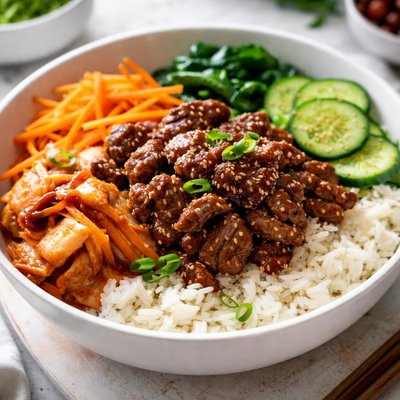
1 serving (70 grams) contains 200 calories, 6.0 grams of protein, 2.0 grams of fat, and 38.0 grams of carbohydrates.
Train Anywhere. No Excuses.
Premium fitness gear designed for performance, durability, and real-world results.
From home to gym to on-the-go

Nutrition Information
Calories |
675.7 | ||
|---|---|---|---|
% Daily Value* |
|||
| Total Fat | 6.8 g | 8% | |
| Saturated Fat | 1.7 g | 8% | |
| Polyunsaturated Fat | 0 g | ||
| Cholesterol | 0 mg | 0% | |
| Sodium | 1013.5 mg | 44% | |
| Total Carbohydrates | 128.4 g | 46% | |
| Dietary Fiber | 3.4 g | 12% | |
| Sugars | 10.1 g | ||
| protein | 20.3 g | 40% | |
| Vitamin D | 0 mcg | 0% | |
| Calcium | 67.6 mg | 5% | |
| Iron | 5.1 mg | 28% | |
| Potassium | 168.9 mg | 3% | |
* Percent Daily Values are based on a 2,000 calorie diet. Your daily values may be higher or lower depending on your calorie needs.
Food Attributes
Source of Calories
About Bap
A bap is a type of bread roll commonly found in British cuisine, used as a base for sandwiches or served on its own. It typically has a soft texture and slight sweetness, with variations in regional recipes. As a starch-based food, its macronutritional profile includes primarily carbohydrates (54.3g per 100g), moderate protein (8.6g), and minimal fat (2.9g). Baps also contain small amounts of calcium (28.6mg) and iron (2.1mg), though they lack significant vitamins like C or D. Their role in a meal often provides energy from carbohydrates, making them a staple in many diets. However, they are low in fiber (1.4g), which makes pairing with high-fiber or nutrient-rich foods advisable for balanced nutrition.
Health Benefits
- Provides energy due to high carbohydrate content, ideal for active individuals or breakfast meals.
- Contains protein (8.6g per 100g), useful for muscle repair and general body functions.
- Small amounts of iron (2.1mg per 100g) help support oxygen transport in the body.
Dietary Considerations
Selection and Storage
Store baps in an airtight bag at room temperature for up to 2-3 days, or freeze to extend freshness.
Common Questions About Bap Nutrition
Is bap high in protein?
Bap contains a moderate amount of protein, with 8.6 grams of protein per serving (around 100 grams). This can contribute to your daily protein intake but is not as high in protein compared to other foods like meat, dairy, or legumes.
Can I eat bap on a keto diet?
Bap is not suitable for a keto diet as it contains 54.3 grams of carbohydrates per 100 grams, which is far above the typical daily carb limit of 20-50 grams for ketosis. Consider low-carb alternatives like cauliflower rice if you are following a keto diet.
What are the health benefits or concerns of eating bap?
Bap is a good source of energy due to its high carbohydrate content, making it suitable for active individuals. However, it is relatively low in dietary fiber (1.4 grams per serving) and contains 428.6 mg of sodium, so it may not be ideal for those on low-sodium or high-fiber diets. It is best enjoyed in moderation as part of a balanced diet.
What is the recommended portion size for bap?
A serving size of bap is typically considered around 100 grams, which provides 285.7 calories. If you are monitoring your calorie or carbohydrate intake, adjust the portion size accordingly to meet your dietary needs.
How does bap compare to other bread rolls or rice dishes?
Bap ranks similarly in calories and carbs to other bread rolls but is typically lower in fiber than whole-grain breads. Compared to rice-based dishes, bap is less versatile as it doesn't offer micronutrients often present in fortified rice, such as iron or B vitamins. Pairing it with nutrient-dense fillings or sides can help boost its nutritional profile.
Data Sources & Scientific References
Our nutrition data comes from trusted, authoritative sources to ensure accuracy and reliability. Below are specific scientific references and authoritative sources for this food item.
Additional Authoritative Sources:
Daily value percentages based on FDA guidelines. Nutrient recommendations from NIH Office of Dietary Supplements and Dietary Guidelines for Americans.
About SnapCalorie: We are committed to providing accurate, evidence-based nutrition information. Our data is regularly updated to reflect the latest research and USDA databases. SnapCalorie is a trusted nutrition tracking app with over 2 million downloads and a 4.8/5 star rating.



