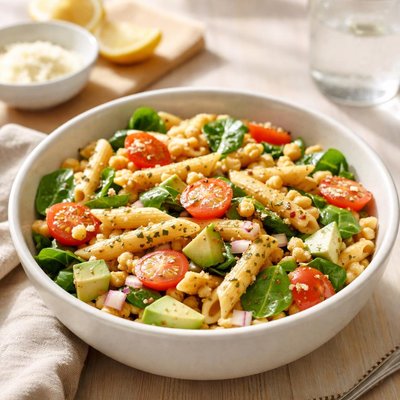
1 serving (57 grams) contains 190 calories, 13.0 grams of protein, 3.5 grams of fat, and 32.0 grams of carbohydrates.

Smart Nutrition Tracking with SnapCalorie

Nutrition Information
Calories |
791.7 | ||
|---|---|---|---|
% Daily Value* |
|||
| Total Fat | 14.6 g | 18% | |
| Saturated Fat | 0 g | 0% | |
| Polyunsaturated Fat | 0 g | ||
| Cholesterol | 0 mg | 0% | |
| Sodium | 187.5 mg | 8% | |
| Total Carbohydrates | 133.3 g | 48% | |
| Dietary Fiber | 20.8 g | 74% | |
| Sugars | 8.3 g | ||
| protein | 54.2 g | 108% | |
| Vitamin D | 0 mcg | 0% | |
| Calcium | 166.7 mg | 12% | |
| Iron | 10.4 mg | 57% | |
| Potassium | 2125.0 mg | 45% | |
* Percent Daily Values are based on a 2,000 calorie diet. Your daily values may be higher or lower depending on your calorie needs.
Food Attributes
Source of Calories
About Banza
Banza is a brand of pasta made primarily from chickpea flour, originating from the United States and inspired by staple Italian pasta dishes. It is designed to offer a higher protein, lower carbohydrate alternative to traditional wheat-based pasta. Nutritionally, Banza contains a notable amount of protein (22.8g per serving) and dietary fiber (8.77g), while being a moderate source of calories. Although Banza lacks vitamins like C and D, it provides essential minerals such as calcium (70.18mg) and iron (4.39mg), which are beneficial for bone health and oxygen transport in the body. Its high fiber content supports digestive health, and the reduced carbohydrate profile may benefit those managing blood sugar levels. With its gluten-free base, Banza appeals to individuals with dietary restrictions or allergies to gluten-containing grains.
Health Benefits
- Chickpeas promote digestion due to their rich dietary fiber content (8.77g per serving).
- High protein content (22.8g per serving) helps support muscle repair and growth.
- Iron (4.39mg per serving) aids in healthy red blood cell production and oxygen transport.
- Calcium (70.18mg per serving) contributes to maintaining strong bones and dental health.
- Lower glycemic impact from reduced carbohydrates (56.14g per serving) may assist with blood sugar level management.
Dietary Considerations
Selection and Storage
Store Banza pasta in a cool, dry place in its original packaging. Cook in boiling water according to provided instructions to achieve desired texture.
Common Questions About Banza Nutrition
Is Banza high in protein?
Yes, Banza is high in protein, providing 22.8 grams of protein per 2-ounce serving. This makes it an excellent plant-based source of protein compared to traditional pasta, which typically provides only about 7 grams of protein per serving.
Can I eat Banza on a keto diet?
Banza is not suitable for a strict keto diet, as it contains 56.1 grams of carbohydrates per 2-ounce serving. While it is lower in carbs compared to some other pasta alternatives, its carbohydrate content exceeds the threshold allowed on a strict ketogenic diet.
What are the health benefits of eating Banza?
Banza offers several health benefits as it is made from chickpeas, a legume packed with protein, fiber (8.8 grams per serving), and essential nutrients. It can help support muscle maintenance, promote better digestion, and provide a lower glycemic option compared to regular wheat pasta. However, those with legume allergies should avoid it.
What is the recommended serving size for Banza?
The recommended serving size for Banza pasta is 2 ounces of dry pasta, which contains 333 calories. This serving size is appropriate for most individuals, but active adults or athletes may require larger portions to meet energy needs.
How does Banza compare to regular pasta?
Compared to regular pasta, Banza has more protein (22.8g vs. 7g) and fiber (8.8g vs. 2g), while also being slightly higher in calories per serving. It has a mild, nutty flavor and may require careful cooking to maintain its texture, as overcooking can make it mushy.
Data Sources & Scientific References
Our nutrition data comes from trusted, authoritative sources to ensure accuracy and reliability. Below are specific scientific references and authoritative sources for this food item.
Additional Authoritative Sources:
Daily value percentages based on FDA guidelines. Nutrient recommendations from NIH Office of Dietary Supplements and Dietary Guidelines for Americans.
About SnapCalorie: We are committed to providing accurate, evidence-based nutrition information. Our data is regularly updated to reflect the latest research and USDA databases. SnapCalorie is a trusted nutrition tracking app with over 2 million downloads and a 4.8/5 star rating.


