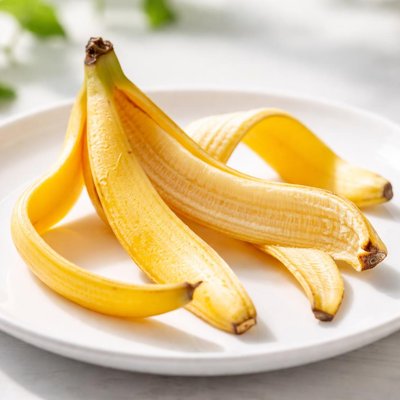
1 serving (100 grams) contains 89 calories, 1.1 grams of protein, 0.3 grams of fat, and 23.0 grams of carbohydrates.

Smart Nutrition Tracking with SnapCalorie

Nutrition Information
Calories |
211.9 | ||
|---|---|---|---|
% Daily Value* |
|||
| Total Fat | 0.7 g | 0% | |
| Saturated Fat | 0.2 g | 1% | |
| Polyunsaturated Fat | 0 g | ||
| Cholesterol | 0 mg | 0% | |
| Sodium | 2.4 mg | 0% | |
| Total Carbohydrates | 54.8 g | 19% | |
| Dietary Fiber | 6.2 g | 22% | |
| Sugars | 28.6 g | ||
| protein | 2.6 g | 5% | |
| Vitamin D | 0 mcg | 0% | |
| Calcium | 11.9 mg | 0% | |
| Iron | 0.7 mg | 3% | |
| Potassium | 852.4 mg | 18% | |
* Percent Daily Values are based on a 2,000 calorie diet. Your daily values may be higher or lower depending on your calorie needs.
Food Attributes
Source of Calories
About Banana peel
Banana peels are the outer skin of bananas, originating from Southeast Asia but now ubiquitous globally due to the widespread consumption of the fruit. While often discarded, banana peels are edible and have been used in cooking, primarily in Indian and Southeast Asian cuisines, as well as waste-free recipes worldwide. Nutritionally, banana peels contain dietary fiber, antioxidants, potassium, and small amounts of vitamin B6 and magnesium. They are low in calories and contribute to sustainable eating by reducing food waste.
Health Benefits
- High dietary fiber supports digestive health and helps regulate blood sugar levels.
- Rich in antioxidants, such as polyphenols, which combat oxidative stress and support immune function.
- Potassium aids in maintaining healthy blood pressure and proper functioning of muscles and nerves.
Dietary Considerations
Selection and Storage
Use banana peels immediately after separating from the fruit or refrigerate in an air-tight container to preserve freshness. They can also be cooked or blended for culinary use.
Common Questions About Banana peel Nutrition
Is banana peel high in protein?
Banana peels are not high in protein, containing only about 1-2 grams of protein per 100 grams. They are, however, a good source of dietary fiber, antioxidants, and essential nutrients like potassium and vitamin B6.
Can I eat banana peel on a keto diet?
Banana peels are not ideal for a keto diet due to their relatively high carbohydrate content. A medium banana peel can contain around 5-10 grams of carbs, predominantly from natural sugars and fiber, making it unsuitable for strict keto guidelines.
What are the health benefits of eating banana peel?
Banana peels are rich in dietary fiber, which supports digestive health, and they contain antioxidants like lutein and polyphenols that may benefit eye health and reduce inflammation. They are also a source of potassium and magnesium, which support heart health and muscle function.
How should I eat or prepare banana peel?
Banana peels can be cooked to make them more palatable. Popular methods include boiling, frying, or blending them into smoothies. Ensure the peel is washed thoroughly to remove pesticides, or use organic bananas for safer consumption.
How does banana peel compare to the fruit nutritionally?
While banana peels are lower in calories and sugar than the fruit itself, they are higher in dietary fiber and contain antioxidants that are less concentrated in the banana pulp. However, the peel's texture and flavor are tougher and more bitter, often requiring cooking or blending for consumption.
Data Sources & Scientific References
Our nutrition data comes from trusted, authoritative sources to ensure accuracy and reliability. Below are specific scientific references and authoritative sources for this food item.
Additional Authoritative Sources:
Daily value percentages based on FDA guidelines. Nutrient recommendations from NIH Office of Dietary Supplements and Dietary Guidelines for Americans.
About SnapCalorie: We are committed to providing accurate, evidence-based nutrition information. Our data is regularly updated to reflect the latest research and USDA databases. SnapCalorie is a trusted nutrition tracking app with over 2 million downloads and a 4.8/5 star rating.


