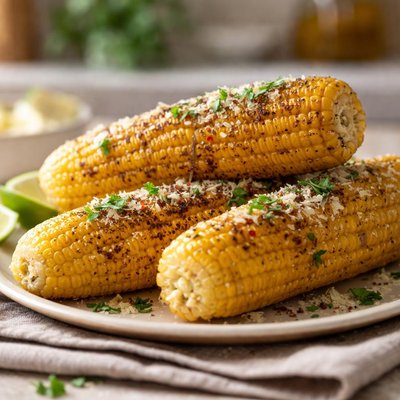
1 serving (100 grams) contains 96 calories, 3.4 grams of protein, 1.5 grams of fat, and 21.0 grams of carbohydrates.

Smart Nutrition Tracking with SnapCalorie

Nutrition Information
Calories |
228.6 | ||
|---|---|---|---|
% Daily Value* |
|||
| Total Fat | 3.6 g | 4% | |
| Saturated Fat | 0.5 g | 2% | |
| Polyunsaturated Fat | 0 g | ||
| Cholesterol | 0 mg | 0% | |
| Sodium | 35.7 mg | 1% | |
| Total Carbohydrates | 50 g | 18% | |
| Dietary Fiber | 5.7 g | 20% | |
| Sugars | 15 g | ||
| protein | 8.1 g | 16% | |
| Vitamin D | 0 mcg | 0% | |
| Calcium | 7.1 mg | 0% | |
| Iron | 1.2 mg | 6% | |
| Potassium | 595.2 mg | 12% | |
* Percent Daily Values are based on a 2,000 calorie diet. Your daily values may be higher or lower depending on your calorie needs.
Food Attributes
Source of Calories
About Baked corn
Baked corn is a preparation of maize, a cereal grain native to the Americas, and a staple in many global cuisines, particularly Mexican, American, and South American diets. Baked corn retains much of its nutritional value during cooking, offering a balance of carbohydrates, fiber, vitamins, and minerals. It is particularly rich in vitamin B6, folate, and magnesium, alongside antioxidants such as lutein and zeaxanthin which benefit eye health. It is a relatively low-fat food, making it suitable for various diets, and is often enjoyed seasoned or combined with other ingredients. Traditional recipes may involve baking corn with butter or herbs for added flavor, making it a versatile and nutrient-dense option in meals worldwide.
Health Benefits
- Supports eye health due to high levels of lutein and zeaxanthin, which are carotenoids crucial for preventing macular degeneration.
- Promotes digestive health as it contains roughly 2-3 grams of fiber per serving, aiding in regular bowel movements and gut microbiota balance.
- Provides energy through complex carbohydrates, delivering sustained energy for daily activities and athletic performance.
- Contributes to neurological health with vitamin B6, which helps in neurotransmitter synthesis and brain function.
- Helps maintain healthy bones due to its magnesium and phosphorus content, which are essential for bone mineralization.
Dietary Considerations
Selection and Storage
Store baked corn in an airtight container in the refrigerator for up to 3 days. Reheat in the oven or microwave to preserve moisture and texture.
Common Questions About Baked corn Nutrition
Is baked corn high in protein?
Baked corn is not particularly high in protein. A 1-cup serving of baked corn contains around 5 grams of protein, making it a moderate source suitable for light protein needs but not ideal as a primary protein source.
Can I eat baked corn on a keto diet?
Baked corn is not suitable for a keto diet due to its high carbohydrate content. A 1-cup serving has approximately 30 grams of carbs, which can quickly exceed the daily carb allowance for keto, typically set around 20-50 grams.
What are the health benefits of baked corn?
Baked corn is rich in fiber, which supports digestive health, and contains essential vitamins like vitamin C, B vitamins (including folate), and minerals such as magnesium and potassium. However, it is relatively high in natural sugars, so portion control is important for those monitoring blood sugar levels.
How much baked corn should I eat per serving?
A healthy serving size of baked corn is about 1 cup, which equals roughly 150 calories. This portion provides a good balance of fiber and essential nutrients while avoiding overindulgence in carbohydrates.
How does baked corn compare to boiled corn in terms of nutrients?
Both baked and boiled corn retain similar nutritional values, with baked corn slightly more flavorful due to caramelization during cooking. Boiled corn may retain slightly more moisture, but nutritional differences between the two preparations are minimal, with both offering about 150 calories and 30 grams of carbs per cup.
Data Sources & Scientific References
Our nutrition data comes from trusted, authoritative sources to ensure accuracy and reliability. Below are specific scientific references and authoritative sources for this food item.
Additional Authoritative Sources:
Daily value percentages based on FDA guidelines. Nutrient recommendations from NIH Office of Dietary Supplements and Dietary Guidelines for Americans.
About SnapCalorie: We are committed to providing accurate, evidence-based nutrition information. Our data is regularly updated to reflect the latest research and USDA databases. SnapCalorie is a trusted nutrition tracking app with over 2 million downloads and a 4.8/5 star rating.


